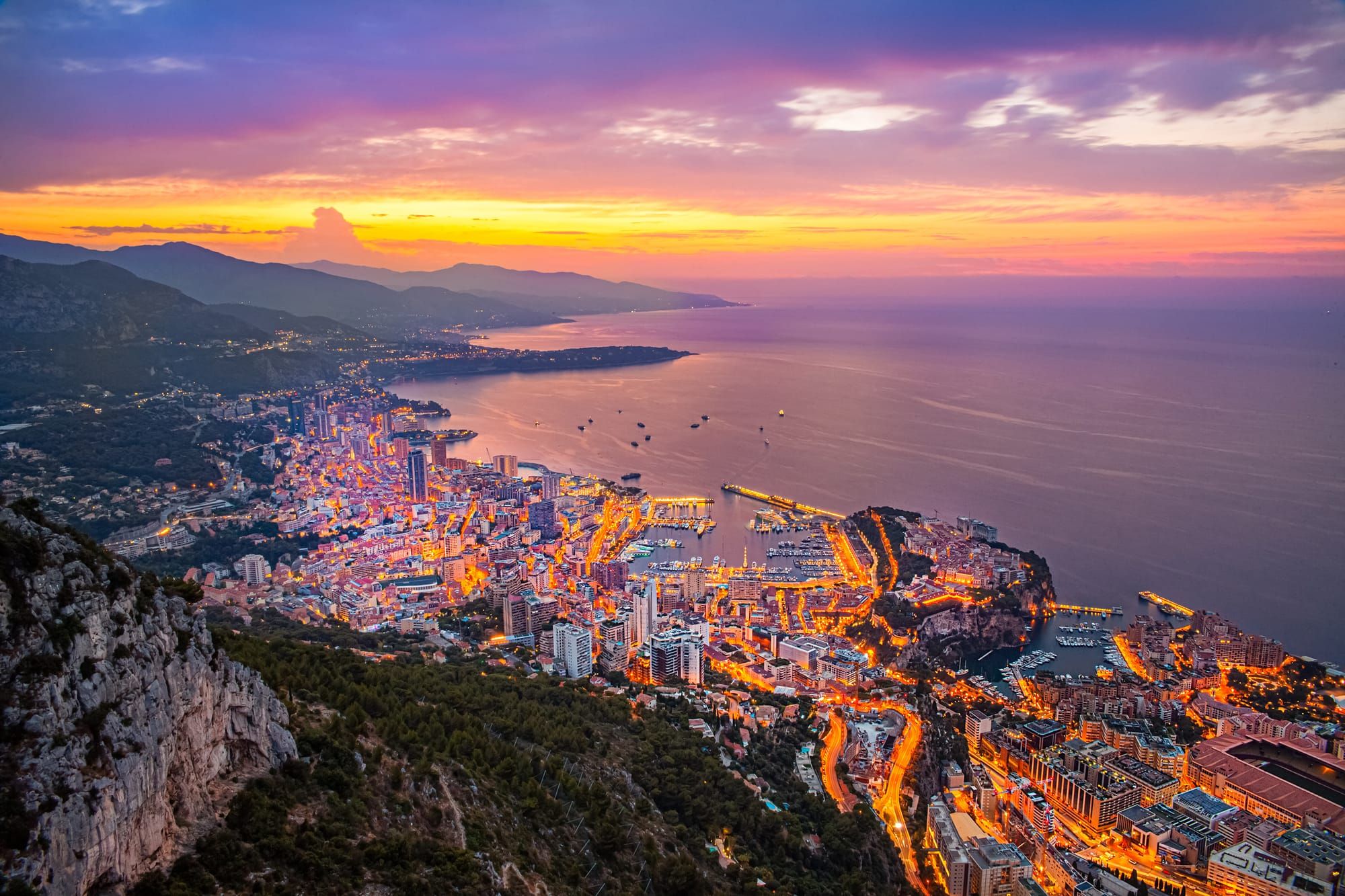
Monaco is the essence of Mediterranean luxury, with Michelin-starred restaurants, glamorous beach clubs, storied landmarks and world-class art, all within about two square kilometers of cliff-hugging coastline.
There is a particular quality of light on the Côte d'Azur travelers remember long after they leave. The way the Mediterranean turns silver at noon and deepens to indigo by evening, with limestone cliffs catching every shift in between, is unlike anything else, anywhere else. Monaco is one of those rare places that operates at a different register than anywhere else on the French Riviera. It is smaller than New York's Central Park, yet contains within its boundaries a palace, an opera house, five-star hotels, a casino whose mythology rivals any in the world and a harbor perpetually dressed with superyachts. French is the official language, though Monegasque, Italian and English are widely spoken. The country functions as a constitutional monarchy under Prince Albert II, the current sovereign prince of Monaco and head of the House of Grimaldi.
Monaco's modern prosperity traces to the 1860s, when the opening of the Monte Carlo Casino and the arrival of the Paris railway transformed this remote coastal enclave into one of Europe's most coveted destinations. Since that moment it has drawn royalty, racing drivers, collectors and entrepreneurs in equal measure. For those planning their visits and wondering when to come, sections below offer a complete picture of what every season has to offer.
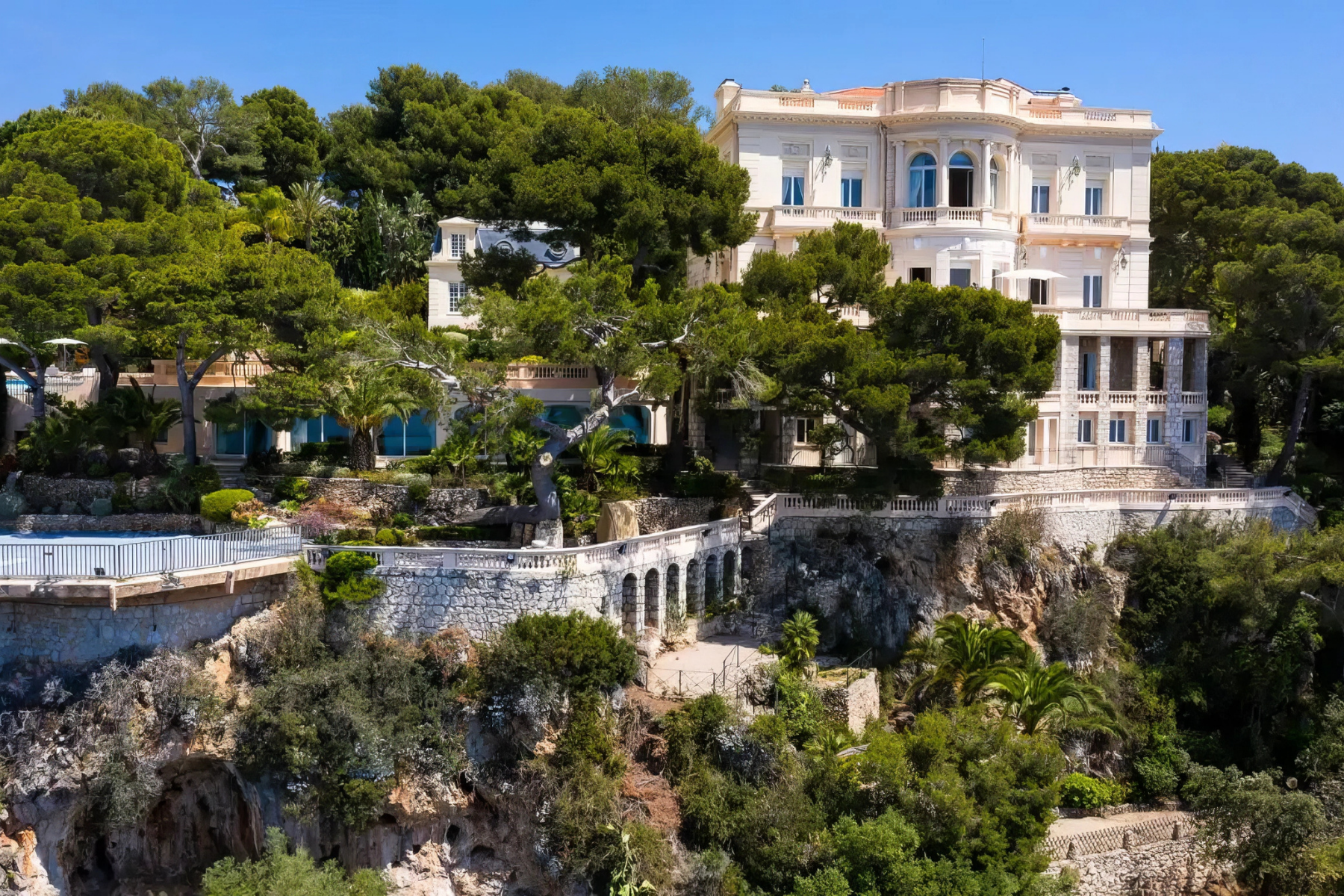
Choose a luxury villa in Monaco that best fits your needs.
Monaco's Districts and Surrounding Communes
Understanding Monaco's geography is the first step toward navigating it with confidence. The principality is divided into six distinct wards, each with its own architecture, atmosphere and social identity. Four French communes of Cap d'Ail, Eze, Beausoleil and Roquebrune-Cap-Martin blend seamlessly into the Monegasque landscape and are home to some of the most coveted private residences on the Riviera. Together, these areas encompass the full range of attractions and experiences Monaco and its surroundings have to offer.
Monte Carlo
Monte Carlo is what most of the world pictures when imagining Monaco. The principality's official administrative quarter occupies the old Spelugues plateau, begun under Prince Charles III in 1870. Today it anchors the highest concentration of luxury retail, haute cuisine and premium hospitality in the country. The casino stands at the center of this world, its Belle Époque facade framed by palm trees and flanked by the Hôtel de Paris, the Shopping Promenade and the Jeweler's Patio. To walk Monte Carlo's streets during the day is to move through a curated environment of extraordinary care. To dine there in the evening is to understand what a truly competitive gastronomic landscape looks like.
Le Rocher
Monaco-Ville, known to its residents as Le Rocher or the Rock of Monaco, rises on a headland jutting into the sea at the principality's south-central point. This old town retains something of its medieval character. Streets here are narrow and largely pedestrian, the atmosphere measurably quieter than Monte Carlo and the sense of history is immediate. Each morning at precisely 11:55, the changing of the guard takes place at the Place du Palais before the Prince's Palace, a ceremony enduring through centuries of Grimaldi rule. The cathedral, consecrated in 1911 on the site of Monaco's first parish church, contains the tombs of the Grimaldi family, including those of the late Princess Grace and the late Prince Rainier III. In the evening, when day-trippers have departed and alleyways return to their natural silence, Monaco-Ville offers some of the most atmospheric walking in Europe.
La Condamine
La Condamine occupies the lower ground between The Rock and Monte Carlo, centered on Port Hercule and the vibrant pedestrian streets surrounding it. This is the heart of Monaco at its most genuinely local. Rue Grimaldi with its independent boutiques, Rue Princesse Caroline as a pedestrian promenade and, above all, the La Condamine Market, part of the principality's daily life since 1880. Revamped and inaugurated in its current form by Prince Albert II and Princess Charlene in 2012, the market accommodates about 20 vendors selling socca, barbagiuans, pissaladière and other Monegasque specialties. Quays overlooking Port Hercule, from where the Grand Prix circuit takes its most dramatic passage, offer a view of the principality no amount of photography could adequately capture.
Fontvieille
Fontvieille is a district unlike any other in Monaco. This is an entire neighborhood reclaimed from the sea through modern technology and built on land that did not exist a generation ago. The principality chose to populate this new territory with high-tech, non-polluting companies, giving Fontvieille a cleaner, more purposeful character than the glamour-forward wards to its east. The Terrasses de Fontvieille contains the Monaco Top Cars Collection, the automobile museum housing Prince Rainier III's personal collection of nearly 100 classic vehicles. At dusk, a walk along Fontvieille Harbor, close enough to Monte Carlo to feel connected, yet distant enough to feel separate, offers what many consider the most romantic views of Monaco's glittering skyline.
Larvotto
Larvotto, Monaco's northeastern extremity, borders directly on Roquebrune-Cap-Martin and is home to the principality's public beach. The Grimaldi Forum, a major congress and events venue, sits on the Larvotto seafront and hosts everything from the Monte Carlo Philharmonic to the UEFA Champions League draw. The Avenue Princesse Grace runs through the ward past the Japanese Garden and is one of the most lovely places to see the principality's horticultural ambition. The beach itself is where La Note Bleue beach club has cultivated a loyal following among visitors who appreciate jazz as much as sunbathing.
Les Moneghetti
Les Moneghetti climbs into the rock above the rest of Monaco, offering panoramic views across the principality and out to sea. The Exotic Garden, which lends its name to the ward, contains one of the most unusual plant collections in Europe. The garden is home to more than 1,000 cacti and succulents, including specimens of extraordinary size, arranged along paths that wind past the Observatory Cave carved from limestone below. This hillside quarter offers one of the best views in the entire principality, a panorama extending well into France and Italy on clear days.
Cap d'Ail
Cap d'Ail stretches along the coast at the principality's southern border, a peaceful counterpart to Monte Carlo's intensity. The Tête de Chien viewpoint is reached via a coastal road that commands panoramas stretching to Italy and the Var. The area has been drawing visitors since the town was classified as a health resort in 1921. Three beaches, all carrying the Blue Flag designation, serve different temperaments. Marquet is sheltered and family-oriented, with a yacht club and two restaurants. Mala is fashionable and sophisticated, its crystalline water attracting those who come to see and be seen. Pissarelles offers a quieter alternative. It is a small harbor with 253 berths hosting regattas and sea festivals during summer months, adding to Cap d'Ail's appeal as a genuine waterfront community rather than merely a coastal address. Villa Monaco places guests at the heart of this world, with Cap d'Ail's beaches and the principality's nightlife equally within reach.
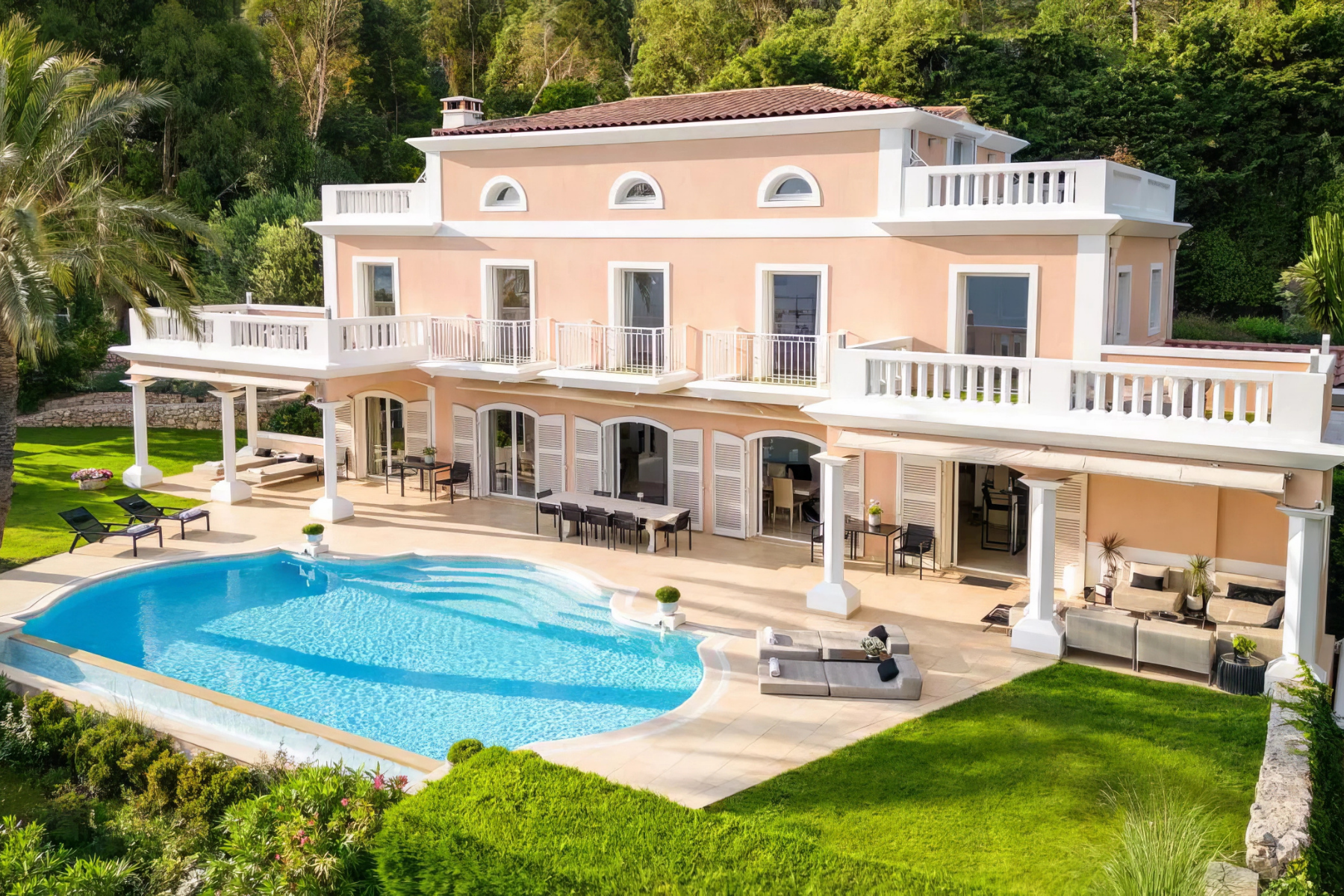
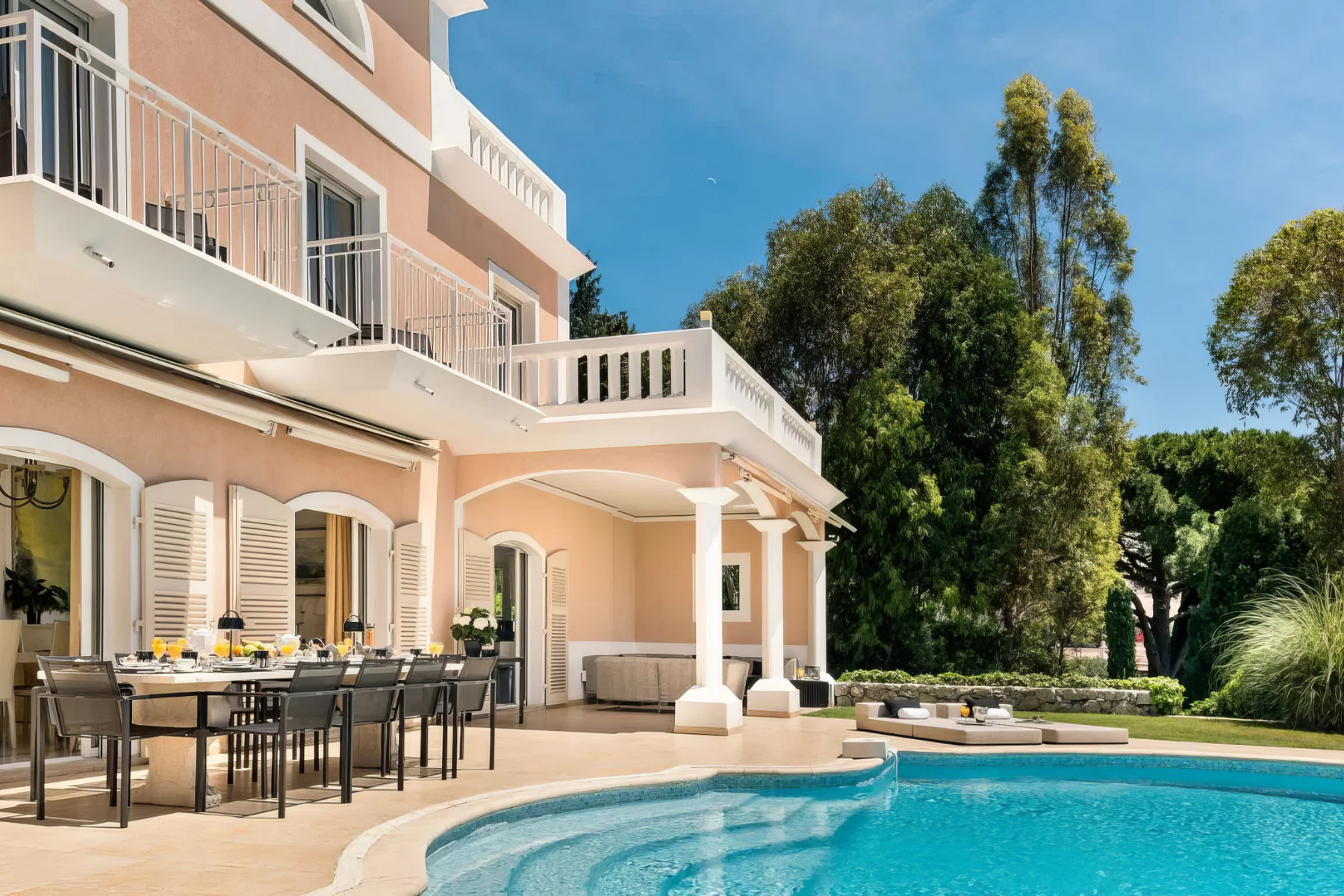
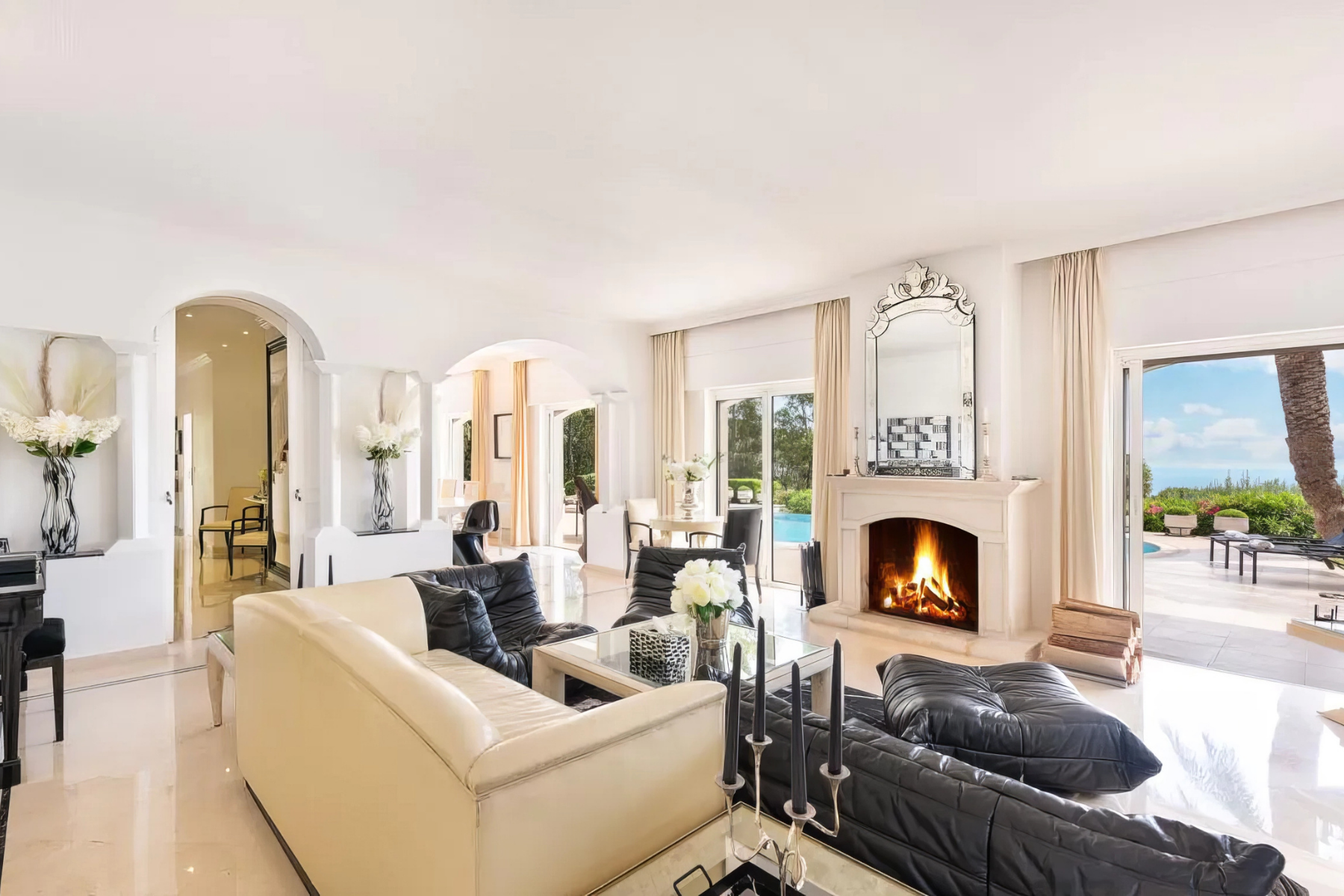
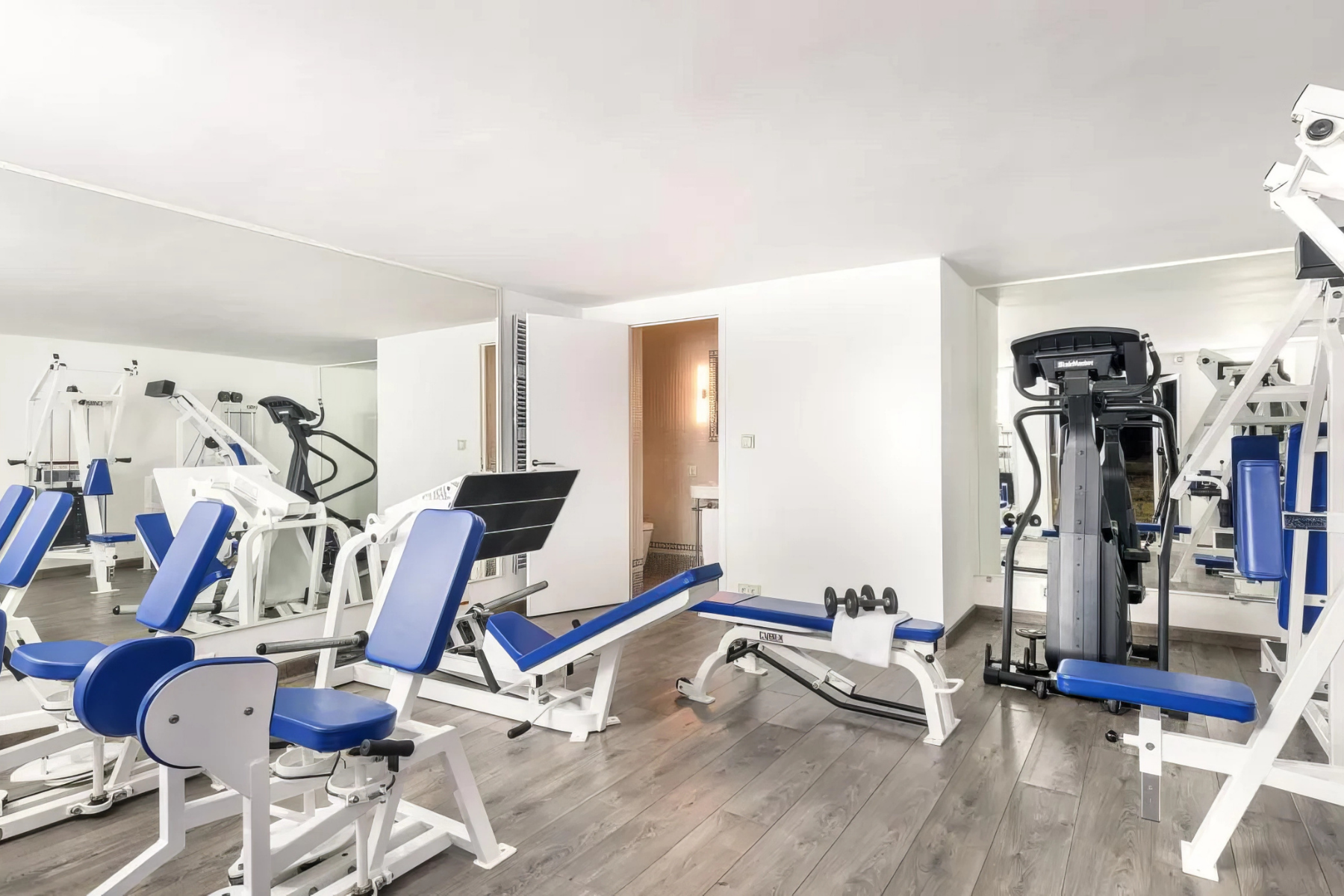
Villa Monaco
Eze
Eze is among the most photographed villages in the south of France and the reality justifies its reputation. At an altitude placing it above the maritime haze, the medieval village reveals itself through a gate in the ramparts. Cobblestone lanes wind between superbly restored stone houses, vaulted passages connect small shaded squares and refreshing old fountains and craft workshops occupy spaces carved directly into the rock. The Friedrich-Nietzsche Path descends from the village through pines and olive trees to the bay below. Nietzsche reputedly found inspiration for the final section of Thus Spoke Zarathustra on these slopes. Below the village, Anjuna Beach offers a different side of Monaco's neighboring communes. It is exotic and festive on Sunday evenings with Mediterranean cuisine and fine wines, but genuinely secluded through the week.
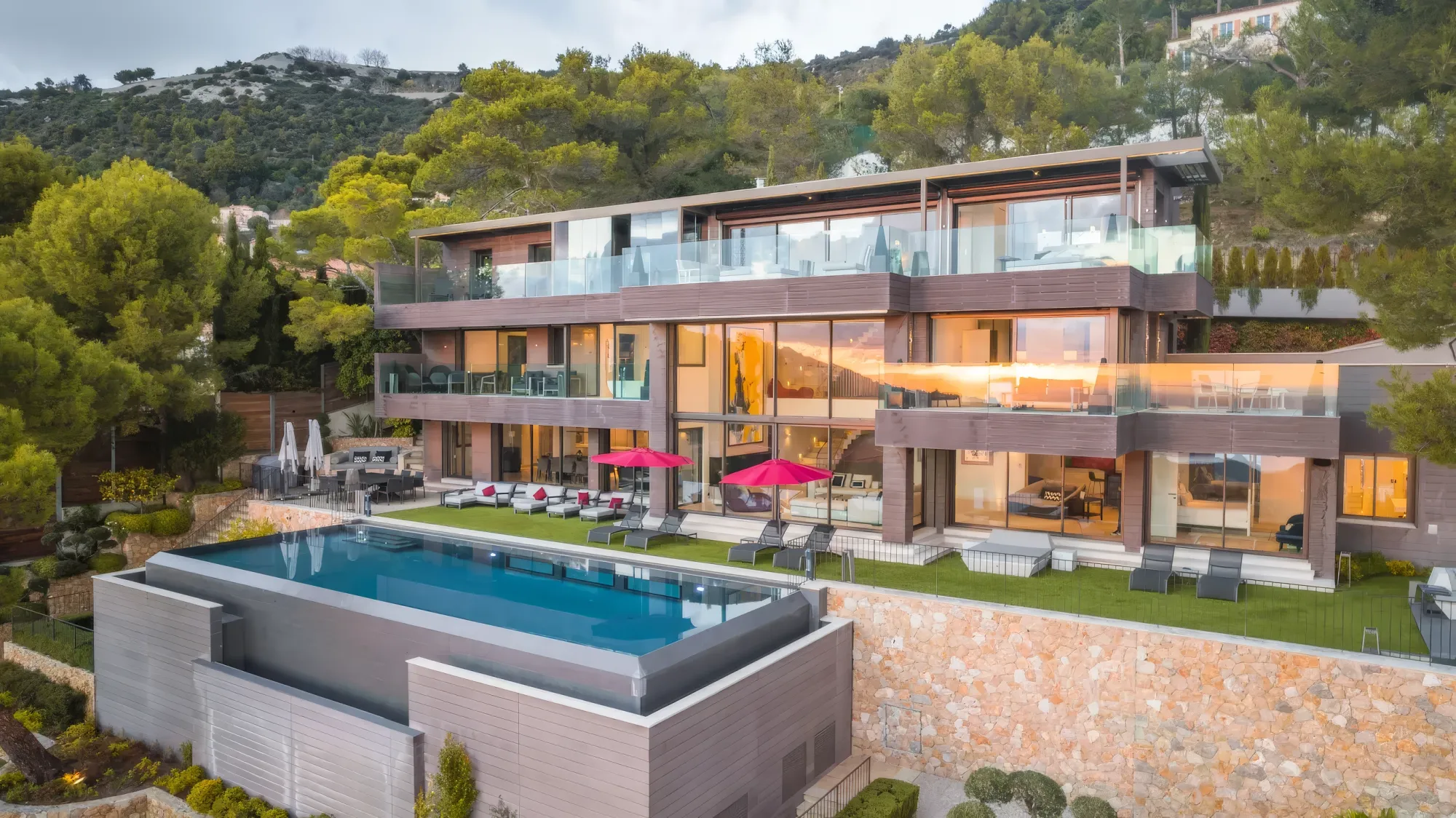
Villa Claire
Villa Claire is a gorgeous contemporary estate straddling the lush hillsides of Eze. This scintillating estate's commanding perch commands extraordinary Mediterranean panoramas, peering into the purest distillation of the Riviera's natural majesty. Six sumptuous ensuite bedrooms with dressings accommodate guests in total comfort, discretion, and luxury.
Beausoleil
Beausoleil rises above Monaco like a theater balcony above its stage, offering an uninterrupted view of the principality, casino, skyscrapers and the Mediterranean beyond. The commune was established in 1904 and is celebrated for its Belle Époque architecture with Riviera Palace, a historic monument built by the Eiffel company, standing as the finest example. Like Montmartre transposed to the Riviera, Beausoleil climbs through innumerable stairways lined with houses painted in Italian colors, terraces and balconies suspended above the sea. The effect is dizzying in the best sense and one of the most distinctive urban vistas on the entire Côte d'Azur, enjoyed from a position overlooking everything and overlooked by none.
Roquebrune-Cap-Martin
Roquebrune-Cap-Martin spreads across 933 hectares at an altitude of 300 meters, a few kilometers from the Italian border. Its history is present in every layer of the built environment. Here, visitors will find a medieval castle and village, the Romanesque church of St. Marguerite, an ancient olive tree of extraordinary age. Le Corbusier's celebrated cabanon, the tiny cabin in which the architect spent his summers and where he died in 1965, can also be found here. The roster of those who came here to rest and create over the decades reads like a cultural almanac. They include Winston Churchill, Coco Chanel, Sacha Guitry, Jacques Brel and Silvana Mangano. In April and May each year, the clay courts of the Rolex Monte-Carlo Masters bring the world's finest tennis players to the commune's boundaries. Villa Eleonora positions guests within this layered, historically resonant landscape, with Monaco's urban energy a short drive to the west.
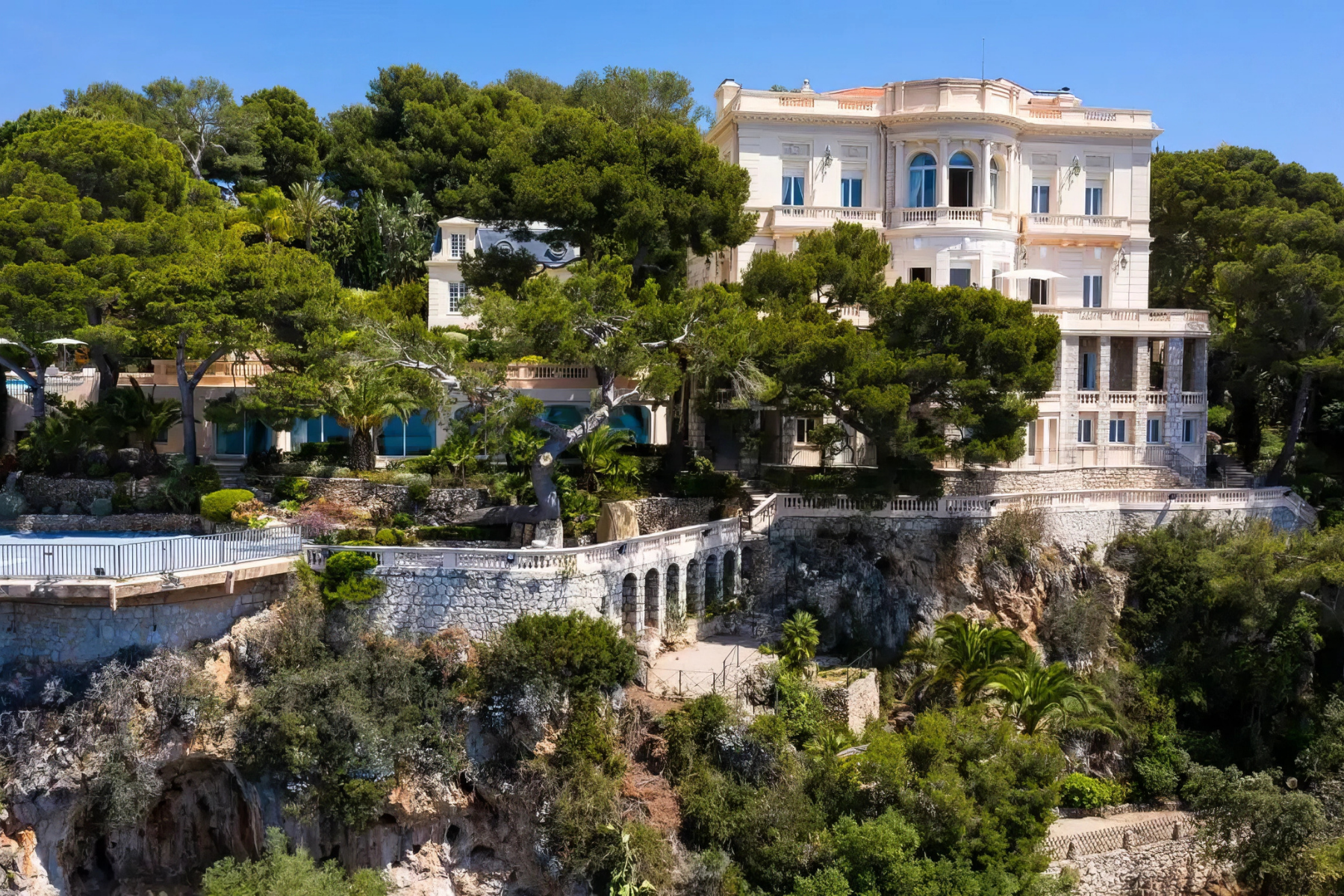
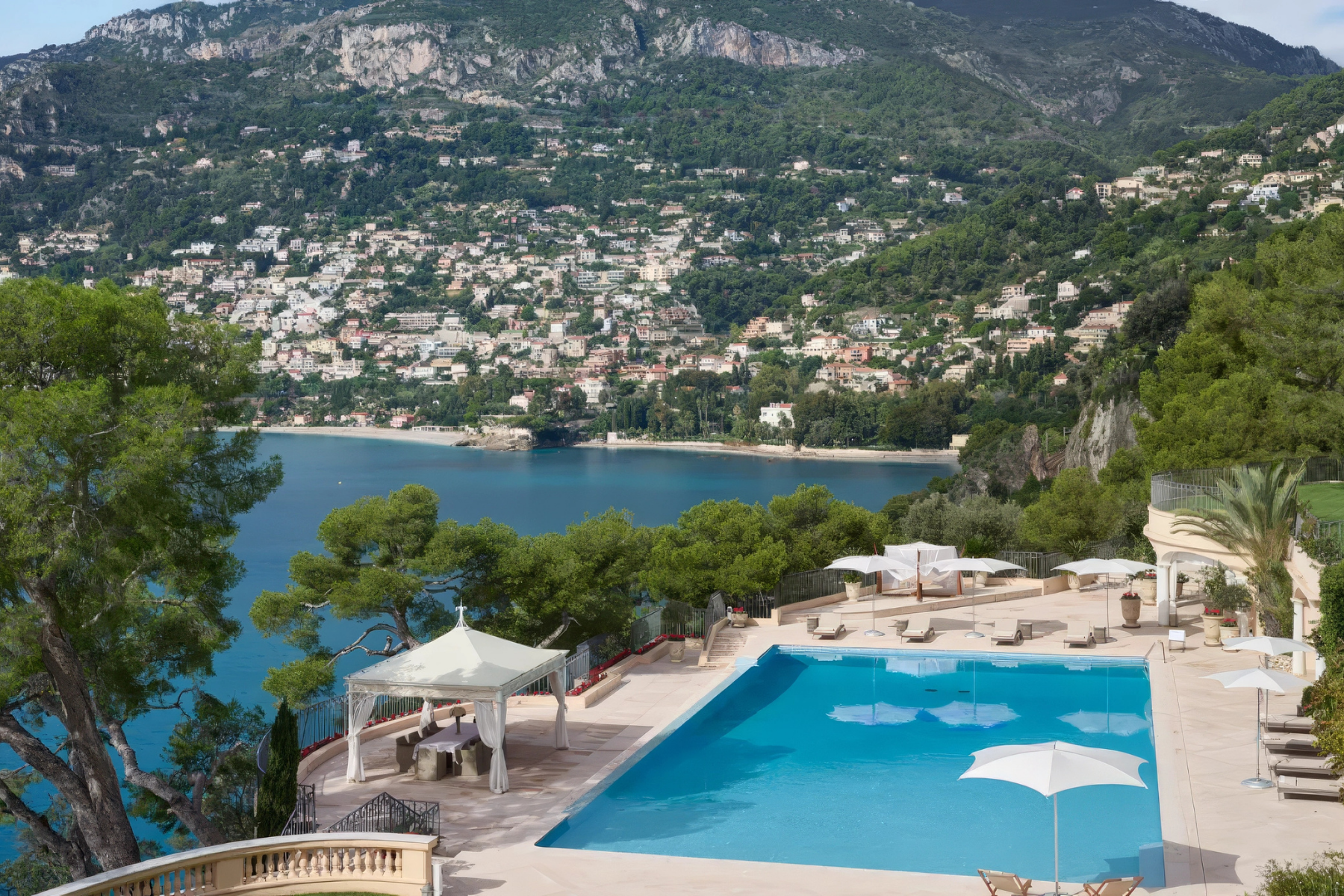
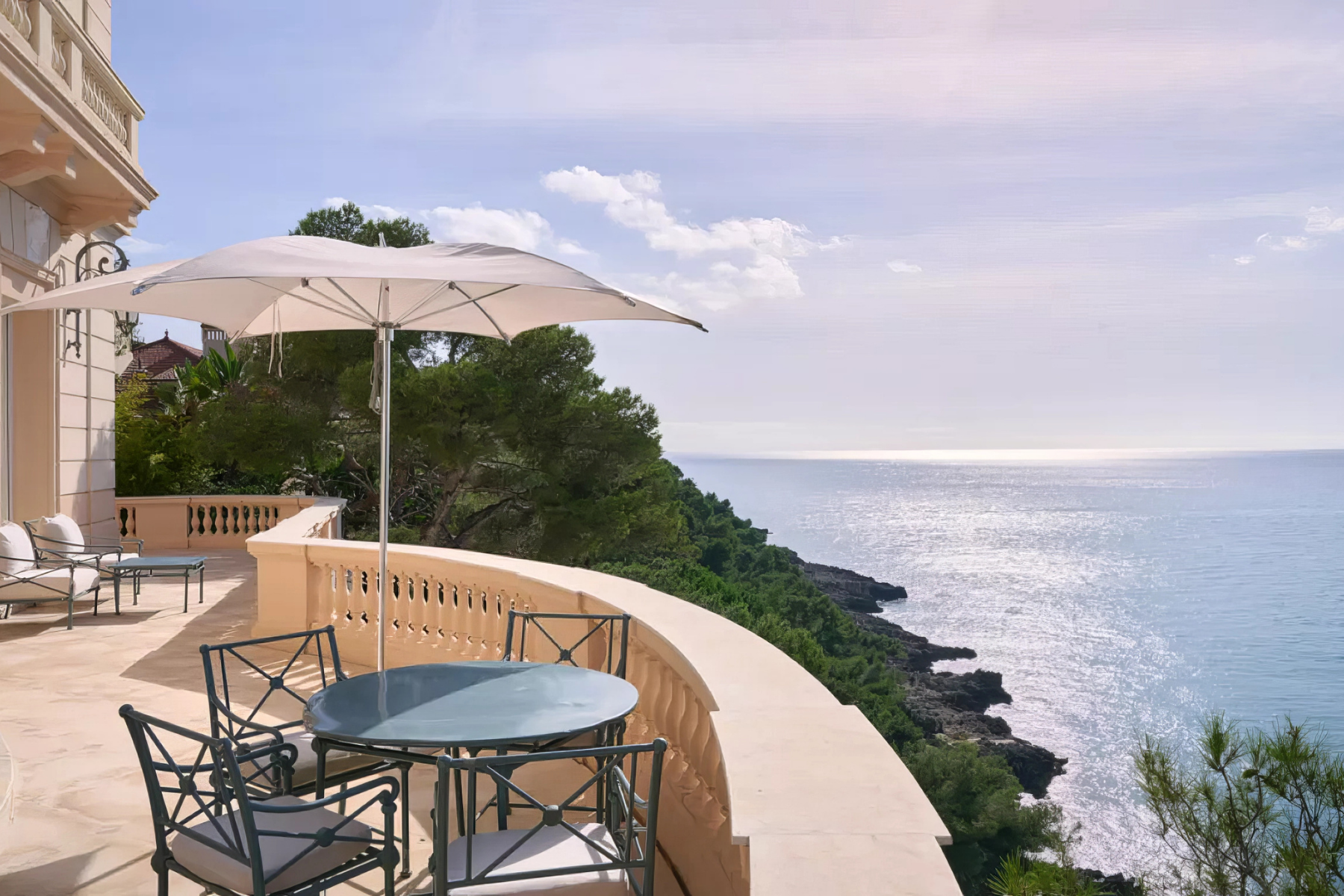
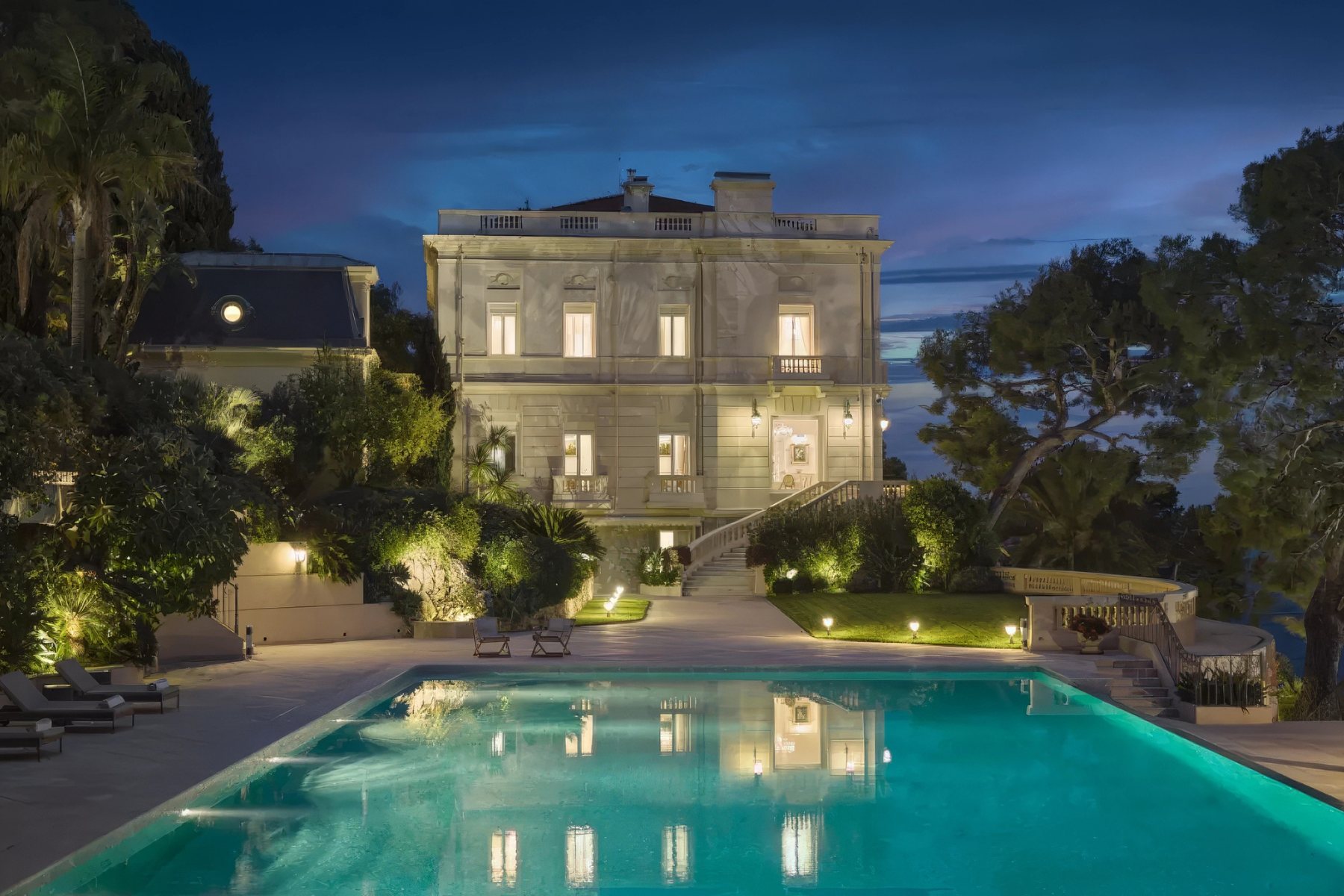
Villa Eleonora in Roquebrune-Cap-Martin
Beach Clubs
Monaco's coastline is brief but exceptional. The principality and adjacent communes have made the most of every accessible stretch, developing a collection of beach clubs ranging from the operatically social to the genuinely private. Together they constitute one of the most varied beach cultures on the Mediterranean. These venues invite visitors to explore Monaco at its most elemental, where the sea is never more than a few steps away. Most clubs are only open during the summer months.
Anjuna Beach
Anjuna Beach sits at the foot of Eze's cliffs, accessible from Villa Claire's commune, in a setting that feels genuinely remote despite being close to the coast road. Through the week, the mood is one of real seclusion. The water moves quietly at the shore, the surrounding landscape is stark and beautiful and the clientele tends toward those who value privacy over spectacle. On Sunday evenings, the atmosphere transforms. Gourmet Mediterranean cuisine, carefully selected wines and gathering crowds give Anjuna a festive quality all the more enjoyable for being unexpected in such a setting.
Mala Beach
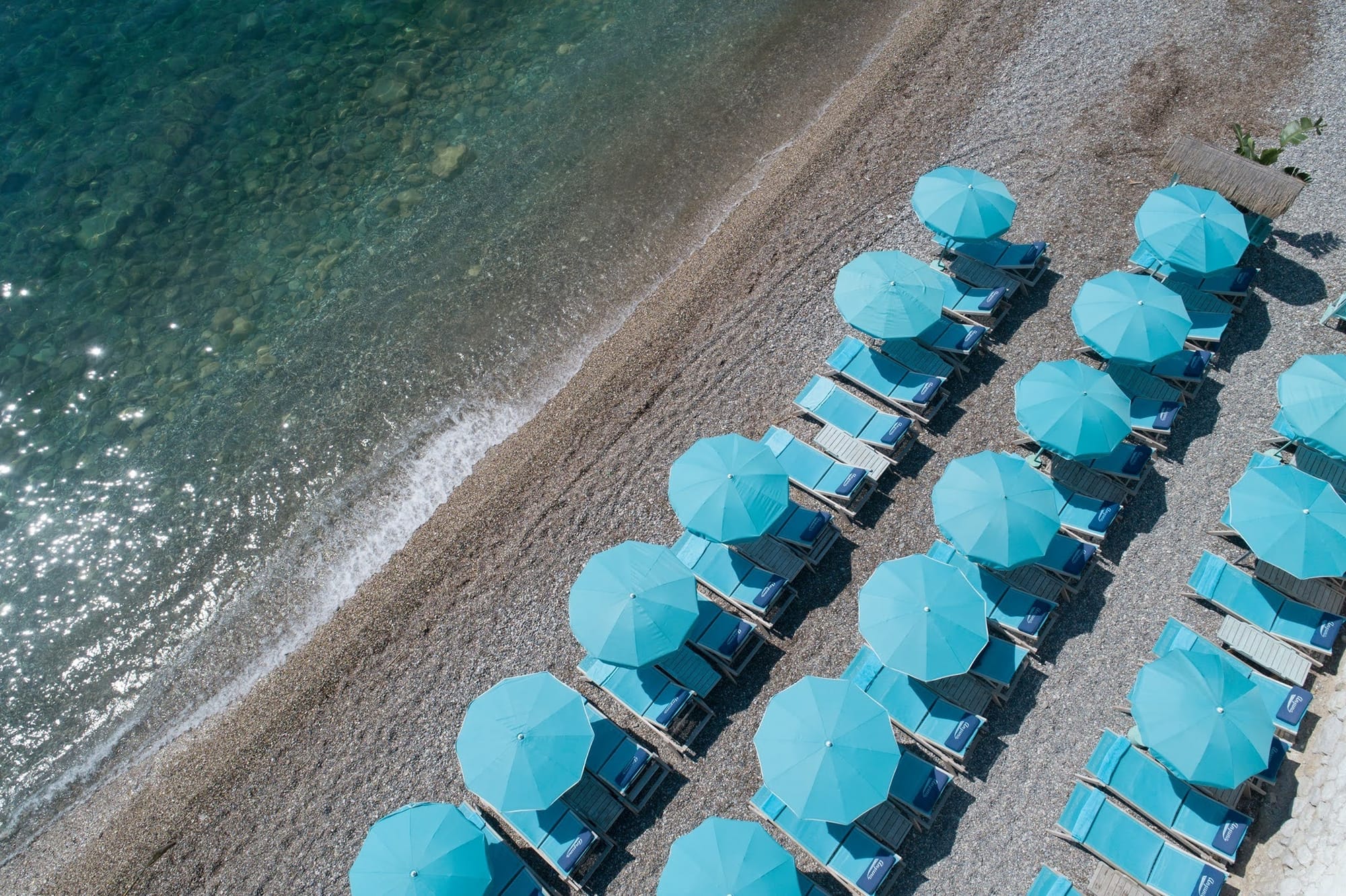
Mala Beach in Cap d'Ail is among the most fashionable stretches of water on the entire Riviera, its reputation built on crystal-clear sea, spectacular views and two restaurants that understand the art of Mediterranean service. La Réserve de la Mala and Eden Plage Mala occupy the same beach with different personalities. La Réserve leans toward the classic, Eden toward the contemporary and both deliver the cold rosé, fresh seafood and impeccable positioning making Mala a pilgrimage destination for those who know the region. Guests staying at Villa Monaco find Mala Beach among their nearest options and one of the best things about the Cap d'Ail address.
Marquet Beach
Marquet Beach, also in Cap d'Ail and bordered by Fontvieille, offers a more gradual and gentle entry into the sea than the rocky shores common elsewhere on this coast. The water is tranquil and safe even for younger swimmers. Lifeguards are present through summer and the beach atmosphere is relaxed. Two restaurants serve the clientele. Naos is a Greek bar-restaurant with a relaxed daytime energy and Uvita introduces live music as the evening progresses.
Nikki Beach Monte Carlo
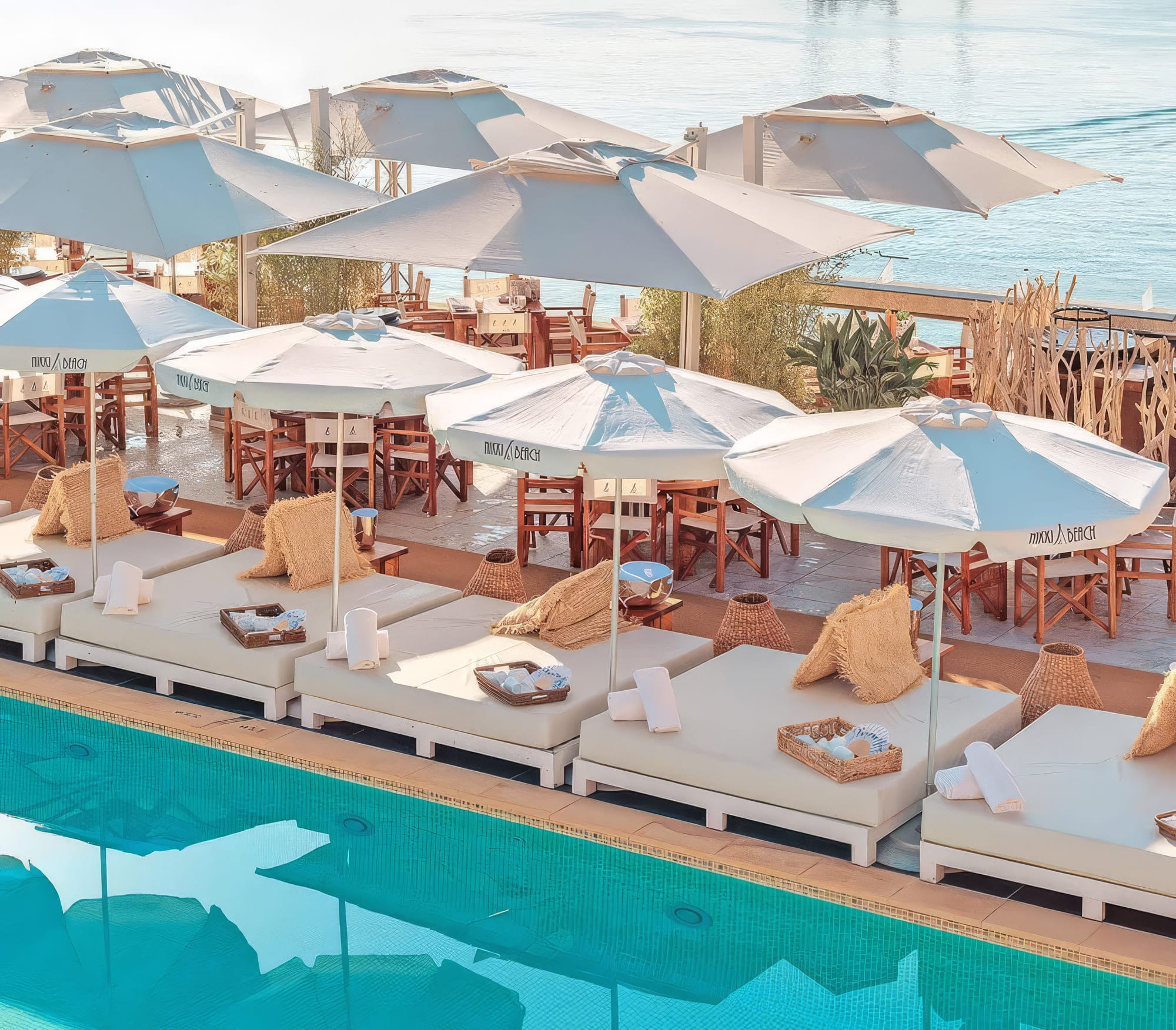
Nikki Beach Monte Carlo occupies a position on the seventh floor of the Fairmont Monte Carlo Hotel that gives it a commanding view over the principality and the sea, one of the most dramatically positioned beach clubs anywhere in Europe. During summer, the rooftop swimming pool becomes the social center of Monaco's younger, more exuberant nightlife, with an international DJ program, a menu of gastronomic dishes designed for a cosmopolitan clientele and an atmosphere that builds steadily from morning through midnight.
La Note Bleue
La Note Bleue sits at the middle of Larvotto Beach, taking its name from the celebrated Nice saxophonist Barney Wilen and maintaining a musical identity setting it apart from every other beach establishment in the principality. White pebbles and imported sand beneath a soundtrack of jazz attract a clientele notably more mixed than the superyacht-adjacent crowds at some of Monaco's other venues. Locals and visitors, families and couples, are drawn together by a beach that succeeds in feeling genuinely unpretentious within one of the world's most status-conscious zip codes.
Monte Carlo Beach Club
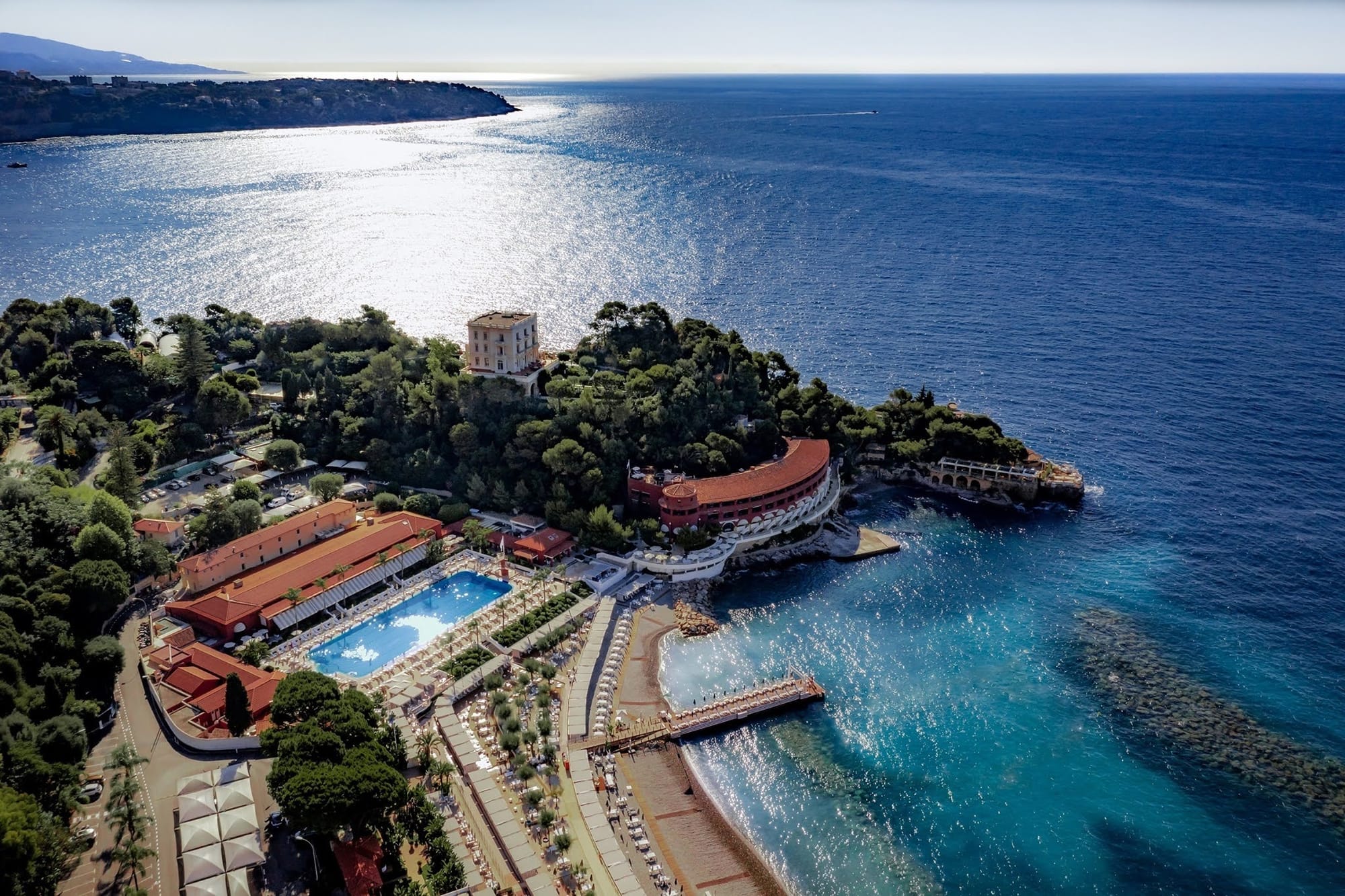
Monte Carlo Beach Club represents the apex of Monaco beach culture in terms of service and facilities. The private beach attached to the Monte Carlo Beach Hotel offers heated seawater swimming in a full-length Olympic pool, striped canvas cabins providing genuine privacy along the shore and a menu at Les Cabanas restaurant composed with the same care applied to Monaco's finest dining rooms. On offer are organic ingredients, wellness-oriented preparation and wood-fired pizza for those for whom lunch should still feel like an indulgence. From this beach, activities in Monaco of considerable ambition are available such as flyboarding, parasailing, jet-ski hire and boat excursions alongside more contemplative pleasures of towed buoy rides and sailing.
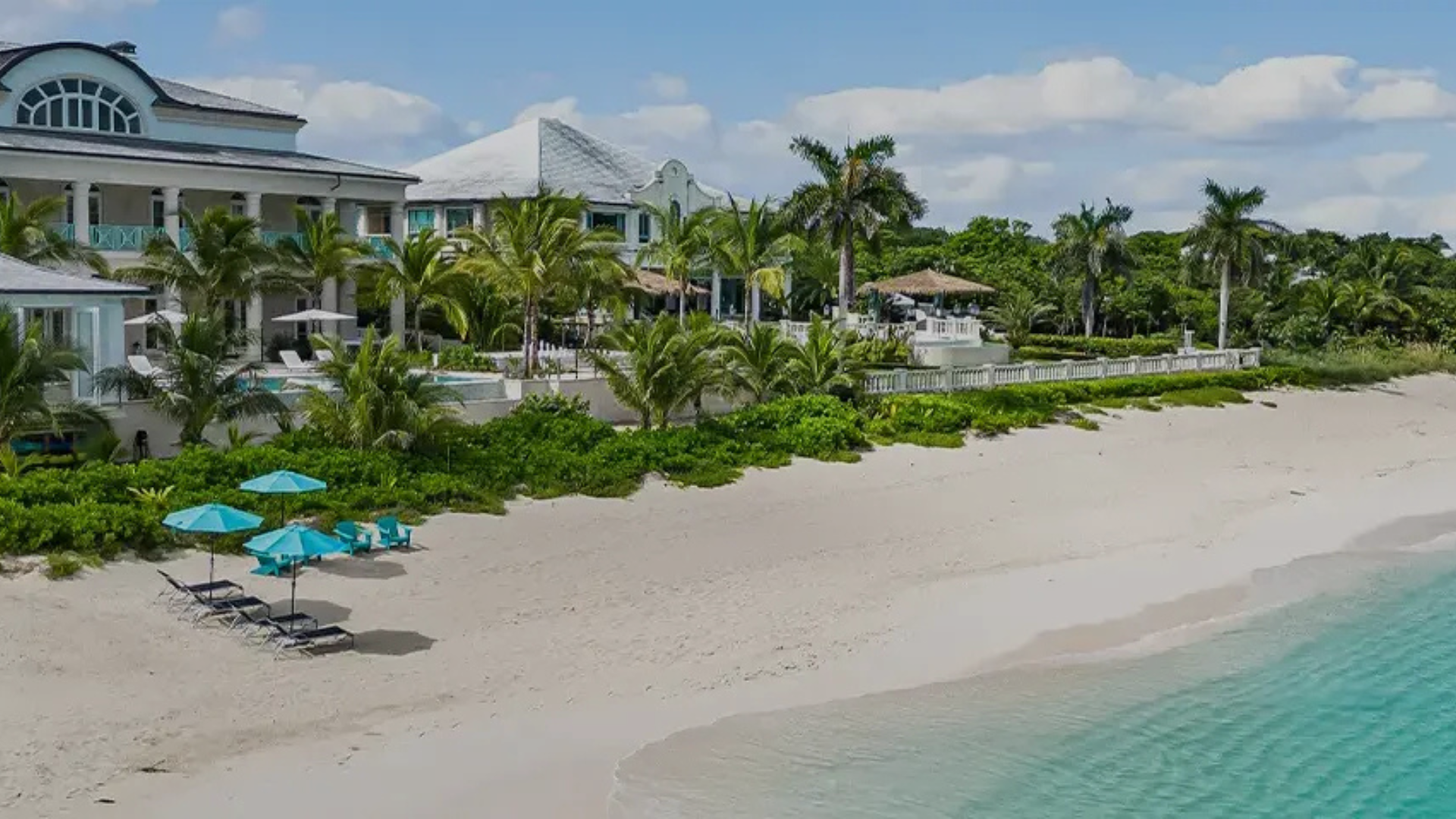
Enjoy the most amazing waves in front of your doorstep
Browse our Beachfront CollectionFine Dining
The concentration of Michelin-starred restaurants of this scale within Monaco's borders is without parallel anywhere in the world. Within a few minutes' walk of one another in Monte Carlo alone, diners can choose between multiple three-star experiences, alongside a supporting cast of one-star establishments that would each be a destination in their own right in almost any other city. For those wondering what to do in Monaco in the evening, the answer begins here and the finest things this principality has to offer are as often found at the table as anywhere else.
Le Louis XV — Alain Ducasse
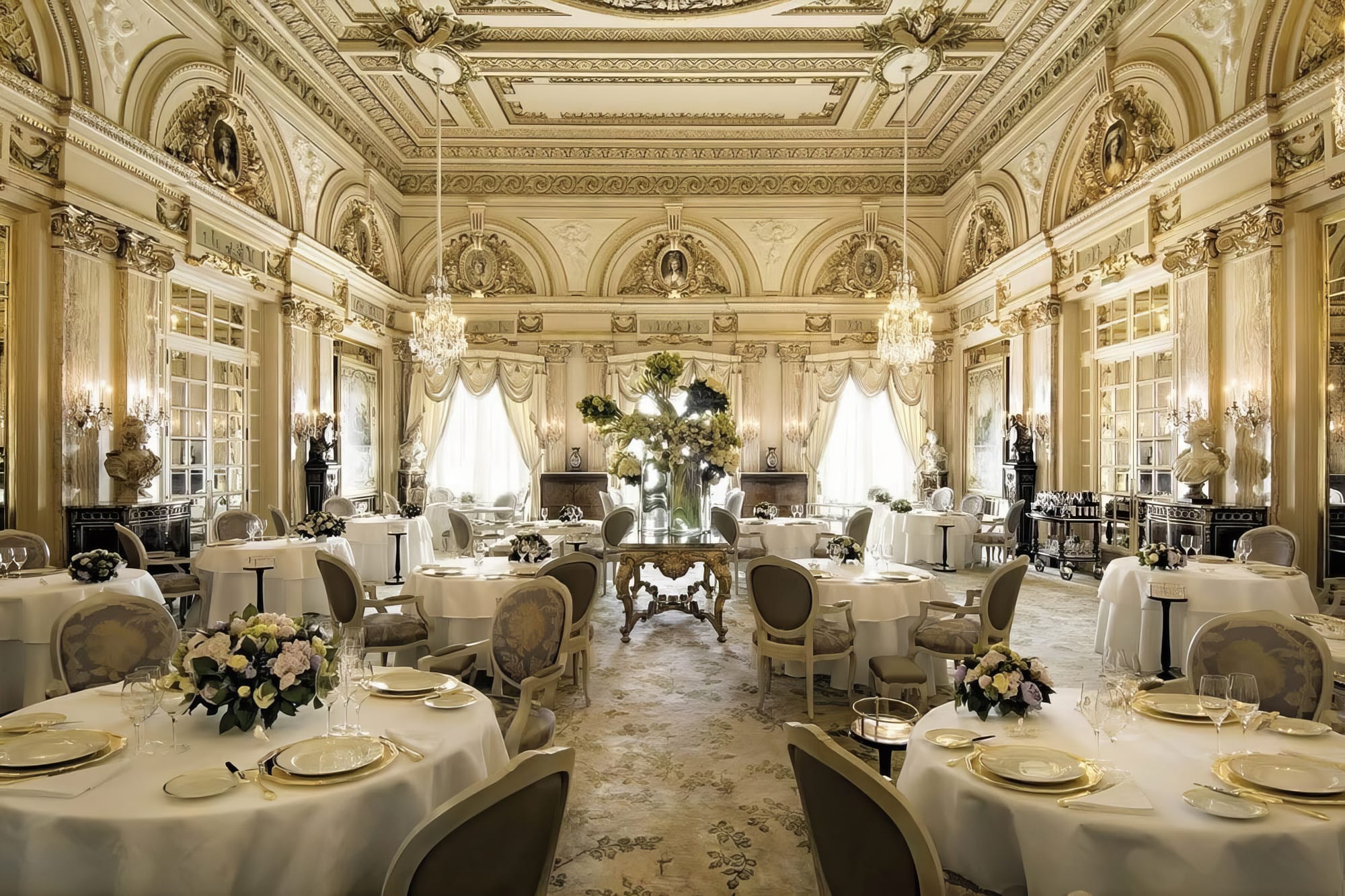
Le Louis XV — Alain Ducasse at the Hôtel de Paris has held three Michelin stars since 1990 and remains the defining statement of what haute cuisine on the French Riviera can achieve. Ducasse's foundational philosophy that the region's produce, prepared with absolute technical mastery, speaks more eloquently than any amount of artifice expresses itself through a menu of sun-drenched Mediterranean dishes. Some of these include Gamberoni from San Remo with rockfish gelée and caviar, langoustines perfumed with nectarine and verbena, vegetables from the nearby countryside given treatments that illuminate their character. The dining room at the Hôtel de Paris, decorated with gilded detail and Bohemian crystal, establishes an atmosphere of ceremony without formality and as influential as the cuisine itself.
Yannick Alléno at L'Hôtel Hermitage
Yannick Alléno at L'Hôtel Hermitage, another three-star address housed within the principality's most architecturally beloved Belle Époque palace, takes a different approach. Guests will feel warmth over grandeur, intimacy over display. Tables are arranged in small lounge areas rather than the ceremonial formations of traditional haute cuisine and the sun terrace's panoramic view across Port Hercule provides the most spectacular backdrop. The menu draws inspiration from colors and flavors of the South of France such as aubergine caviar, barbecued lobster and candied rhubarb.
Le Grill
Le Grill, on the eighth floor of the Hôtel de Paris, earns its Michelin star through consistent excellence in a register deliberately less complex than its neighbors on the floors below. When the weather permits, which is often in Monaco's favored microclimate, the roof retracts entirely, making lunch here a sun-drenched experience and dinner a meal taken beneath the stars. Chef Franck Cerutti has been refining his craft in this kitchen for decades and grilled meats that anchor the menu represent a kind of honest luxury as satisfying as anything more elaborate on offer at the hotel.
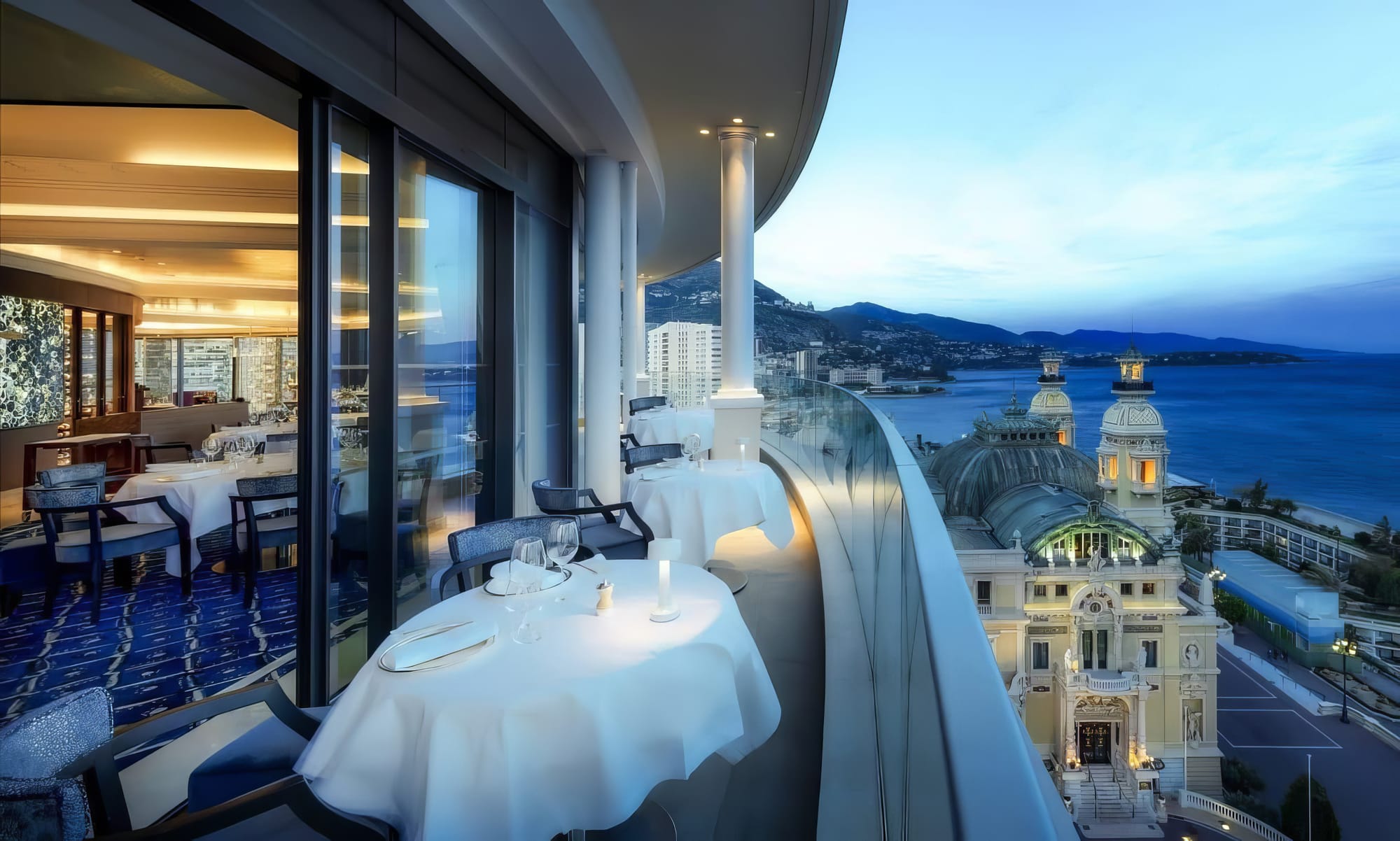
Yoshi
Yoshi at the Hôtel Métropole has maintained its Michelin star since 2010, making it the sole Japanese restaurant on the entire Côte d'Azur to have earned the distinction. Chef Takeo Yamazaki constructs menus of clean, precise flavors such as Wagyu rib steak with wasabi and seasonal vegetables, lobster ravioli with marinated turnip and an extraordinary millefeuille of foie gras and grilled eel in a space where East meets West without compromise.
The Restaurant du Métropole
The Restaurant du Métropole carries the legacy of Joël Robuchon in the careful hands of Executive Chef Christophe Cussac, who continues to produce the restaurant's most celebrated dish. Some menu favorites include buttery mashed potatoes of an almost implausible perfection alongside classic preparations of John Dory, foie-gras-stuffed quail and milk-fed lamb. The Jacques Garcia-designed interior, the tea trolley presenting herbs with quiet ceremony and the open kitchen all contribute to a complete experience rather than attempting anything beyond what it does brilliantly.
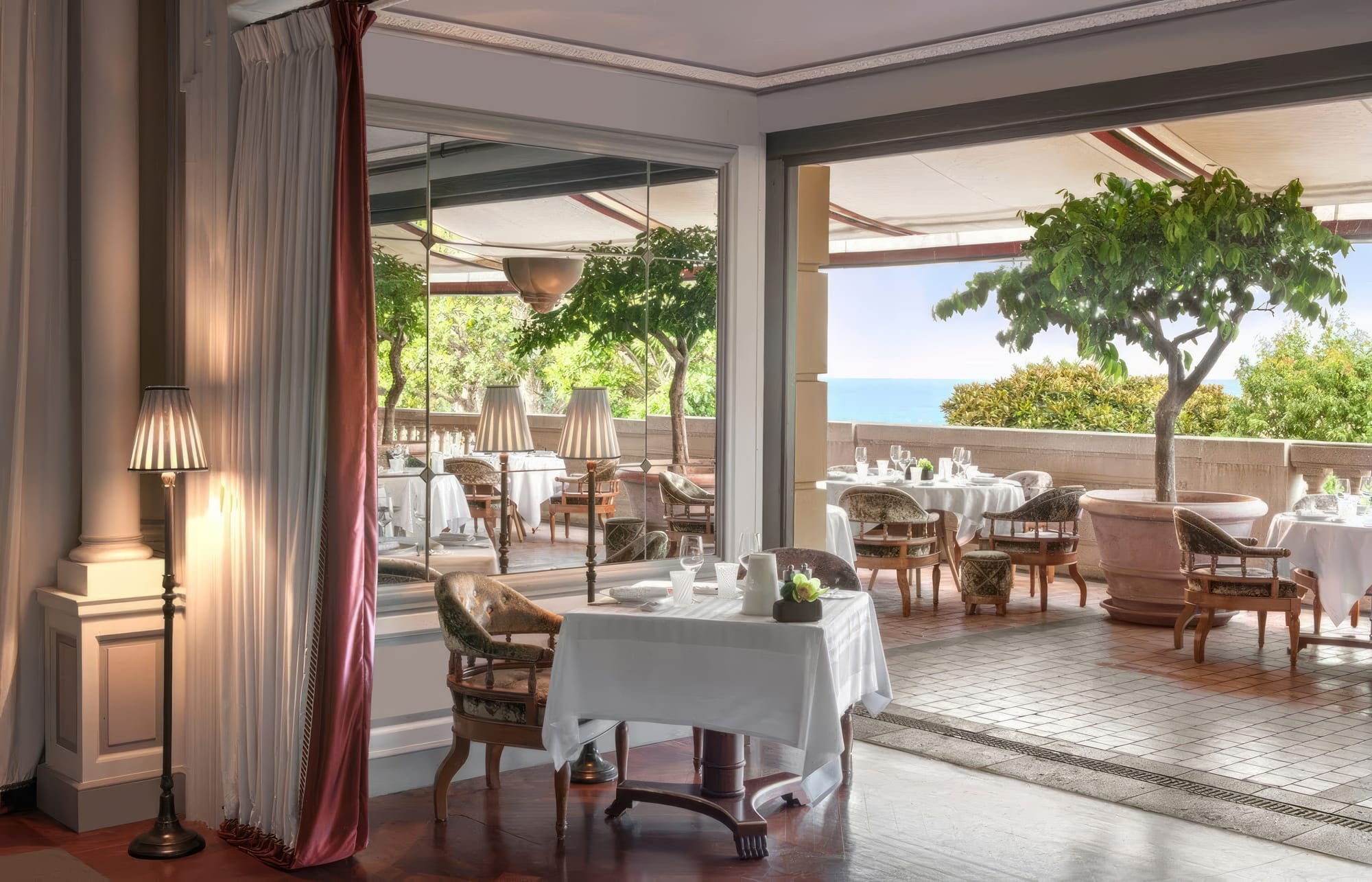
Blue Bay
Blue Bay at the Monte Carlo Bay Resort has earned its Michelin star through Chef Marcel Ravin's singular ability to blend Caribbean and Mediterranean culinary traditions into dishes that feel genuinely original. Green papaya spaghetti carbonara, slow-cooked organic hen's egg with cassava, truffle and passion fruit are preparations that exist in this particular kitchen. The terrace overlooks the sea, the wine cellar is extensive and the selection of Martinique rums is among the most serious anywhere on the continent.
Elsa
Elsa at the Monte Carlo Beach Hotel holds a distinction that no other restaurant on the French Riviera can claim: it was the world's first 100% organic restaurant to receive a Michelin star. Chef Paolo Sari works exclusively with fresh, certified organic produce, offering guests the choice between raw and cooked menus built around ingredients whose provenance is as carefully considered as their preparation. Shrimp from Sanremo, red mullet sourced from the local coastal waters, seasonal vegetables from verified suppliers. Elsa demonstrates ethical sourcing and culinary excellence are not merely compatible but mutually reinforcing.
Nobu Fairmont Monte Carlo
Nobu Fairmont Monte Carlo brought Chef Nobuyuki Matsuhisa's globally celebrated Japanese-South American fusion cuisine to Monaco in December 2013, occupying a stylish, plush setting at the Fairmont Monte Carlo with a terrace looking directly over the Mediterranean. The menu's landmark preparations such as king crab leg with ponzu, Japanese Wagyu beef prepared in multiple styles including Tataki and Toban Yaki translate Matsuhisa's signature vision into dishes that feel particularly at home in a principality that has always been comfortable with culinary ambition at scale.
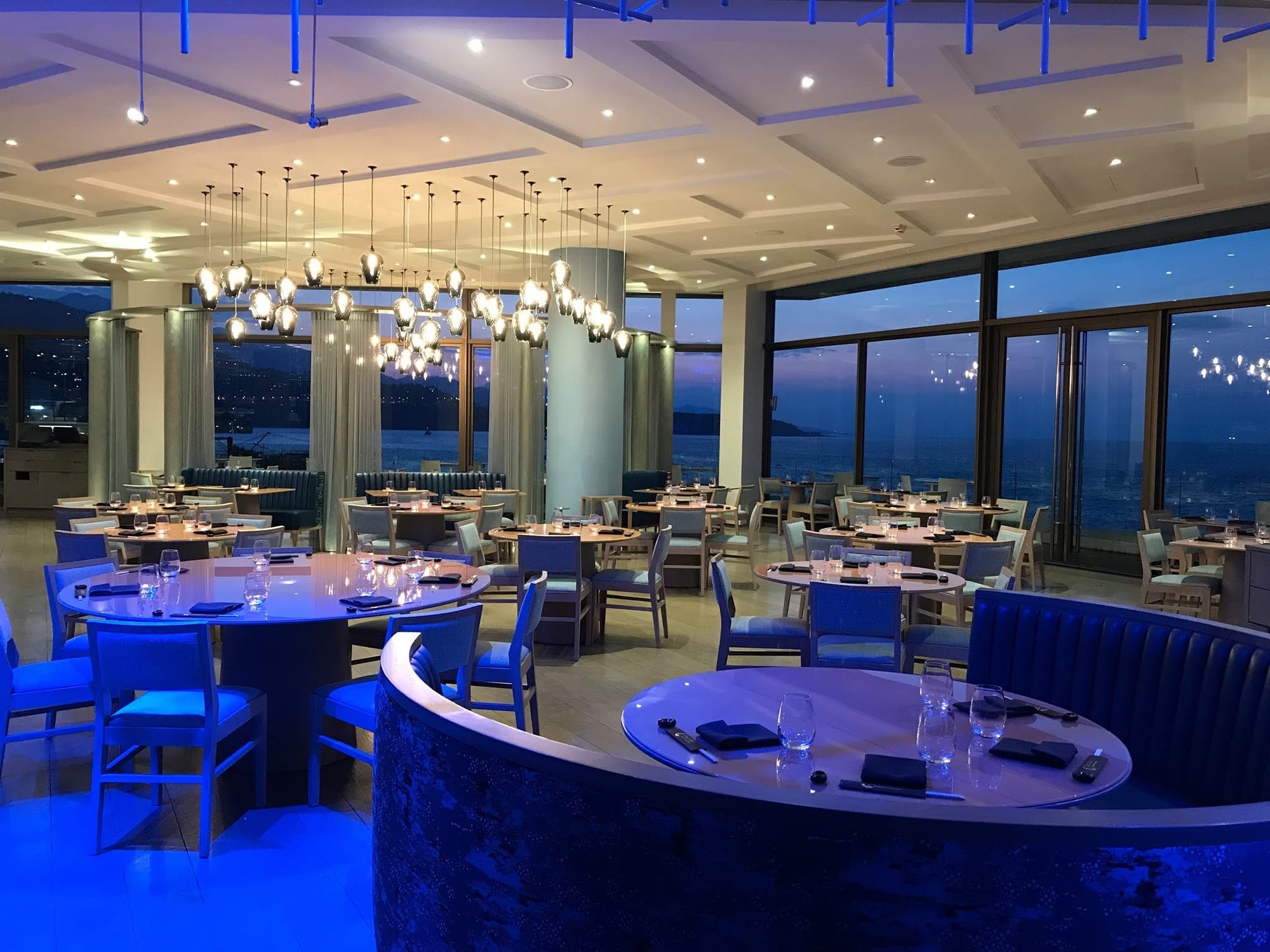
Château Eza
Château Eza in the medieval village of Eze offers something Monaco's dense urban dining scene cannot. Guests experience dining within a 400-year-old castle, in a restaurant once the writing retreat of a Swedish prince. Chef Matthieu Gasnier, trained in Michelin-starred kitchens, brings the Riviera's seasonal produce to a setting of extraordinary atmospheric depth. For guests at Villa Claire, this is a natural dinner destination. For those based in Monaco seeking an evening away from the principality's intensity, the 30-minute drive along the Moyenne Corniche is as much a part of the experience as the meal.
COYA
COYA on Avenue Princesse Grace near the Monte-Carlo Sporting complex brings high-end Peruvian cuisine to Monaco with a conviction and visual theatricality that matches the principality's appetite for the dramatic. Resident Chef Fabrizio Fossati's menu moves through yellowfin tuna ceviche, charcoal-grilled beef skewers and soft-shell crab tacos with yuzu and aioli, all within a room decorated with colorful furnishings and hanging plants that commit fully to the South American theme. A resident DJ builds the atmosphere as the evening progresses, and the pisco sours served in the adjacent lounge have developed a following that extends well beyond any single nationality.
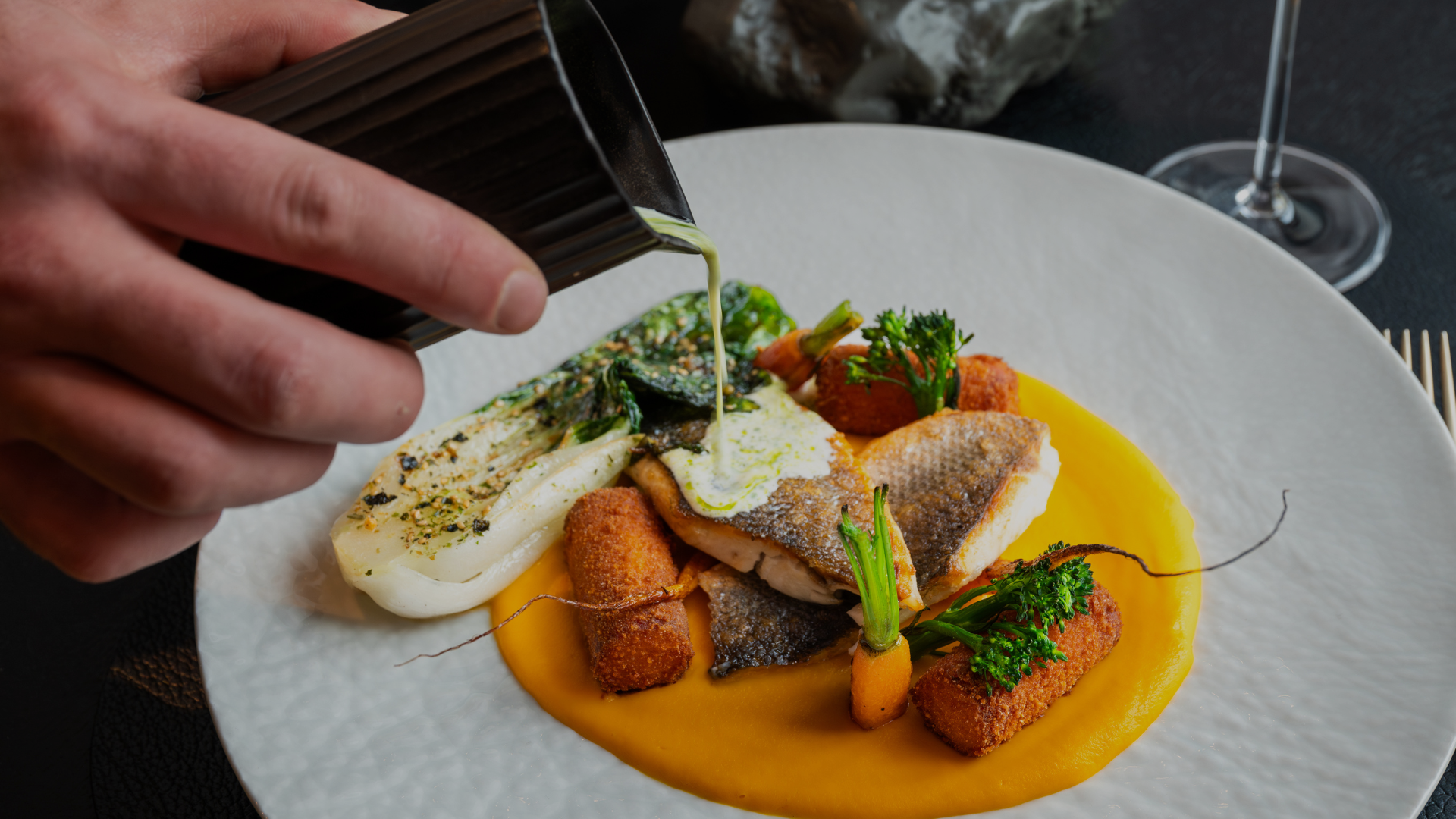
To elevate your Monaco experience, let our concierge team arrange a private chef dinner to sample local flavors.
LVH ServicesLandmarks and Architecture
Monaco's built environment is as carefully curated as its restaurants and gardens. The principality has been accumulating significant architecture for centuries and the result is a compact concentration of landmarks and sites rewarding travelers who move through them with curiosity rather than haste.
The Prince's Palace
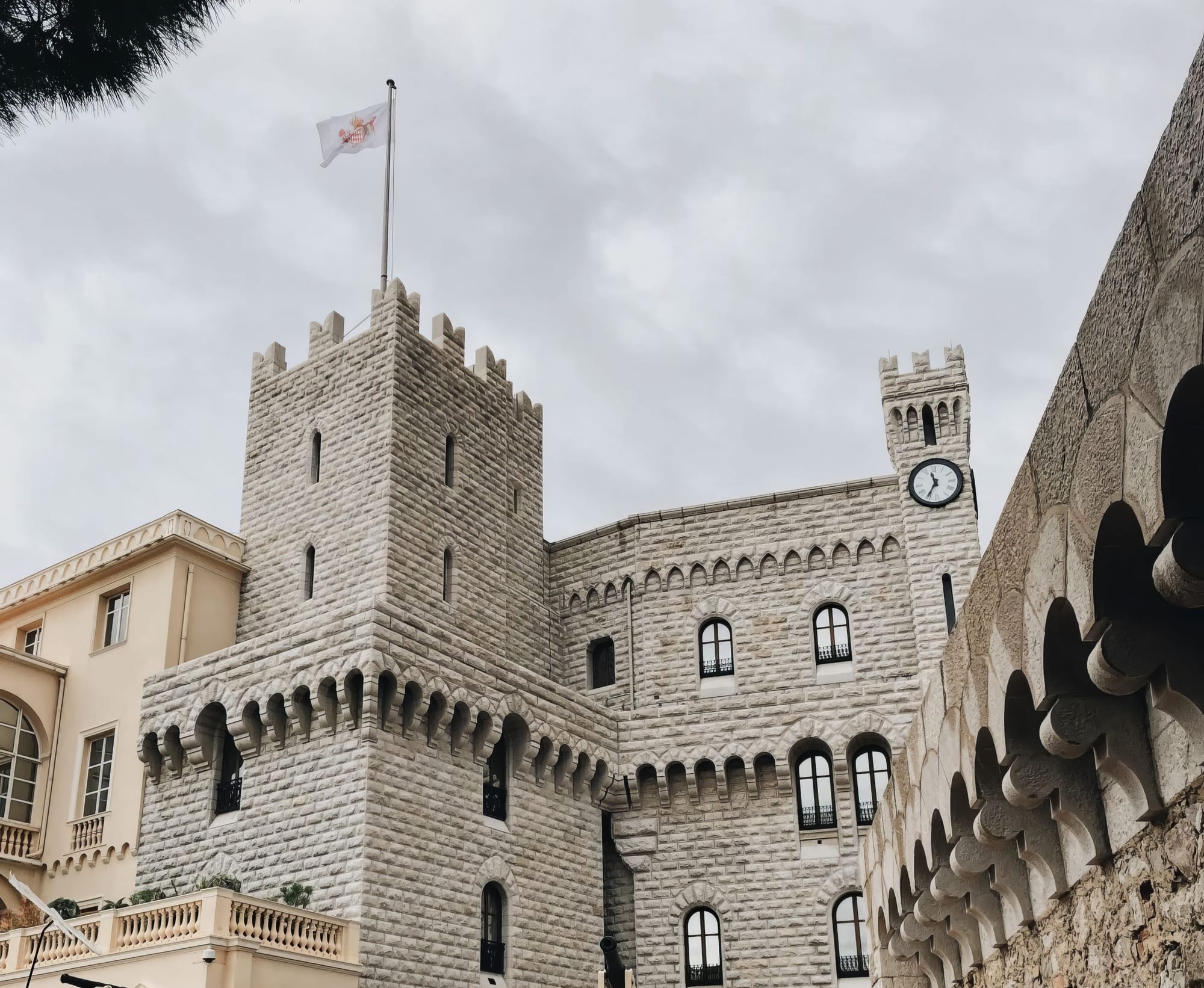
The Prince's Palace of Monaco sits at the highest point of Monaco-Ville, a fortress whose origins lie in the 13th century and whose character has been shaped by every subsequent era. Monaco is the official residence of the Grimaldi family and the palace they occupy reflects every chapter of that centuries-long tenure. Genoese towers from 1215 anchor its structure. Renaissance modifications added the Italian-style gallery and the magnificent Main Courtyard with its 17th-century Carrara marble double staircase. Inside, the Hercule Gallery and its 15th-century frescoes lead through to the blue and gold Louis XV lounge, the Mazarin room with its multicolored wood-paneling and ultimately the Throne Room, with its Renaissance fireplace. The palace is genuinely a museum of European decorative arts as much as a functioning royal residence and the changing of the guard ceremony performed before it each morning at 11:55 is one of those rituals that retains its authentic ceremonial weight.
Saint Nicholas Cathedral
Saint Nicholas Cathedral was built between 1875-1903 in a Romano-Byzantine style and consecrated in 1911, on the site of a church that had served the community since 1252. The cathedral is inseparable from the story of Princess Grace of Monaco. This is where Grace Kelly married Prince Rainier III in 1956, where she was laid to rest in 1982 and where visitors today come to pay their respects at the Grimaldi family tombs. Monaco and the cathedral choir together maintain a musical tradition in this space that adds another dimension to what is already one of the most historically resonant buildings on the French Riviera.
The Salle Garnier
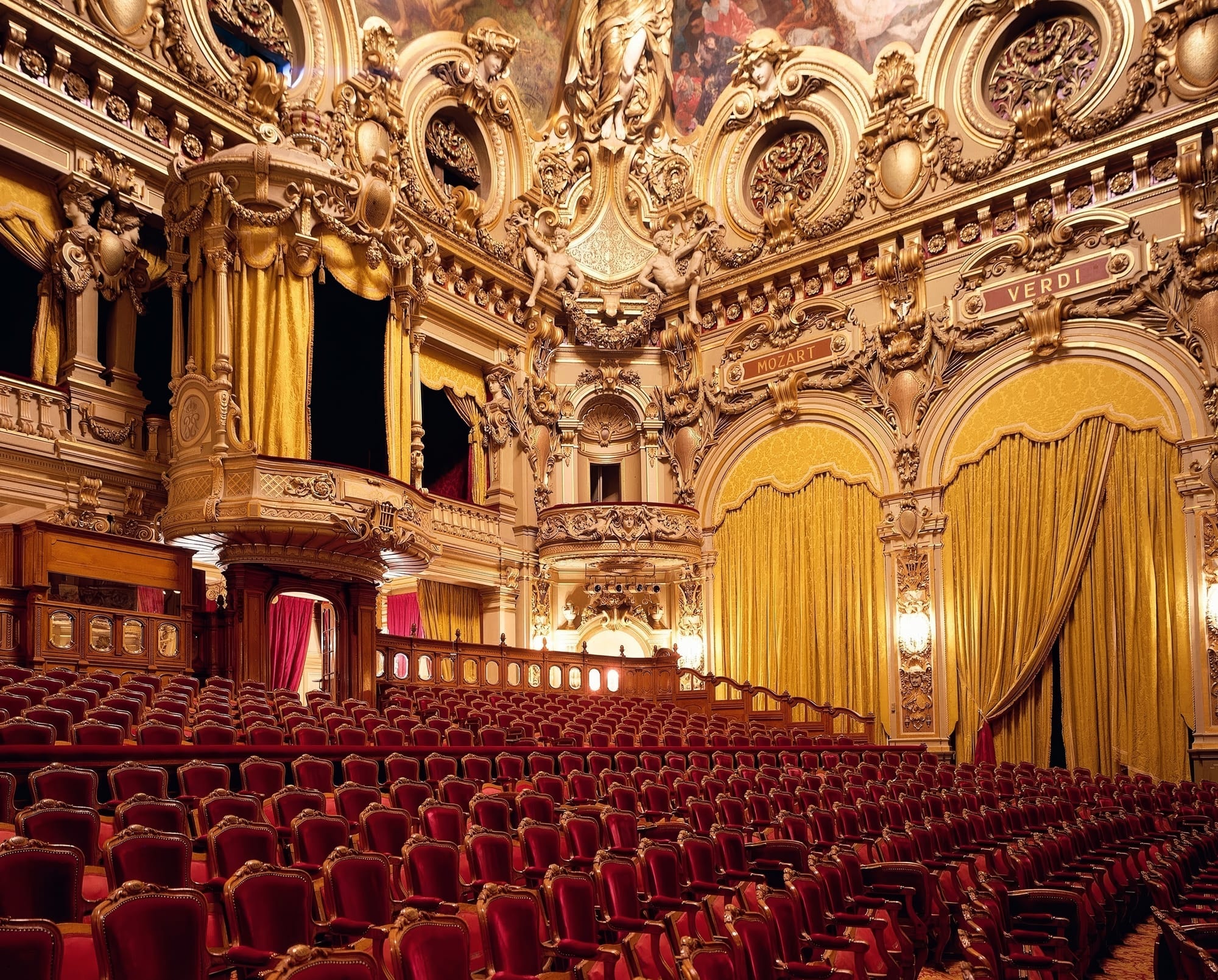
The Salle Garnier, the Monte Carlo Opera, is technically part of the Monte Carlo Casino complex, but its cultural importance deserves independent recognition. Opened in 1879 and designed by Charles Garnier, the architect responsible for the Paris Opéra, the Salle Garnier was commissioned by Prince Charles III who correctly identified that Monaco needed cultural infrastructure to complement its gambling facilities. The Monte Carlo Ballet and the Monte Carlo Philharmonic Orchestra both perform here regularly and the building's decorative program has made it one of the most celebrated opera houses in Europe.
The Monte Carlo Casino
The Monte Carlo Casino requires no introduction to most travelers who have registered its image through decades of cinema, journalism and contemporary culture. The experience of entering it for the first time invariably exceeds expectations. The casino has been operating since 1863, predating Monaco's modern prosperity by several years. It created prosperity rather than simply benefiting from it. French Roulette, English Roulette, Trente et Quarante, Baccarat, Blackjack and Poker Texas Hold'em are offered beneath Bohemian crystal chandeliers in rooms where the attention is paid to atmosphere.
Fort Antoine Theatre
Fort Antoine Theatre, a small open-air amphitheater on the Avenue de la Quarantaine in Monaco-Ville, tells a story about what can happen when a city decides to transform its military infrastructure into cultural amenity. Originally constructed as a fortress in the early 18th century and destroyed in 1944, the fort was rebuilt by Prince Rainier III in 1953 as an outdoor performance venue, retaining the militaristic character of its architecture. An evening here during the summer program provides a kind of access to Monegasque cultural life the principality's more famous venues cannot quite replicate.
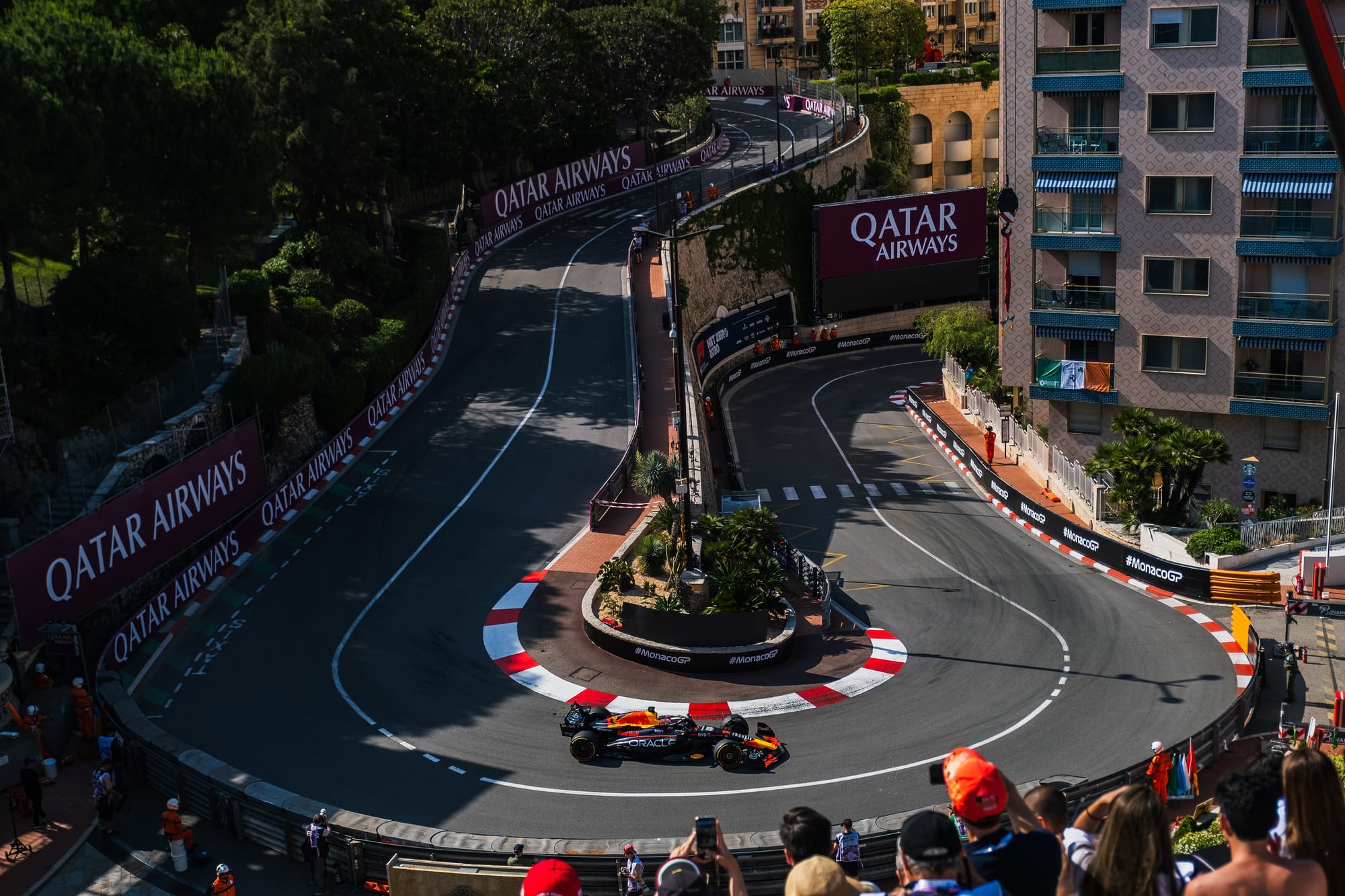
Throughout the principality's streets, gardens and squares, more than 200 sculptures constitute what has been formally designated Monaco, an Open-Air Museum. A collection initiated by Prince Rainier III and continued under Prince Albert II, spans works that range from tributes to historical figures to contemporary installations engaging directly with the specific character of each neighborhood. The Fairmont Hairpin Curve and the Fangio Statue are among the F1-linked landmarks visitors will encounter.
Museums
Despite its scale, Monaco maintains a museum culture of remarkable depth. The principality's institutions range from the globally significant to the charmingly specialist and together they constitute a cultural program that rewards the dedicated visitor as thoroughly as any city many times its size. These are among the top attractions in Monaco for culturally curious visitors and deciding which to prioritize is one of the more pleasurable dilemmas a trip presents.
Monaco's Oceanographic Museum
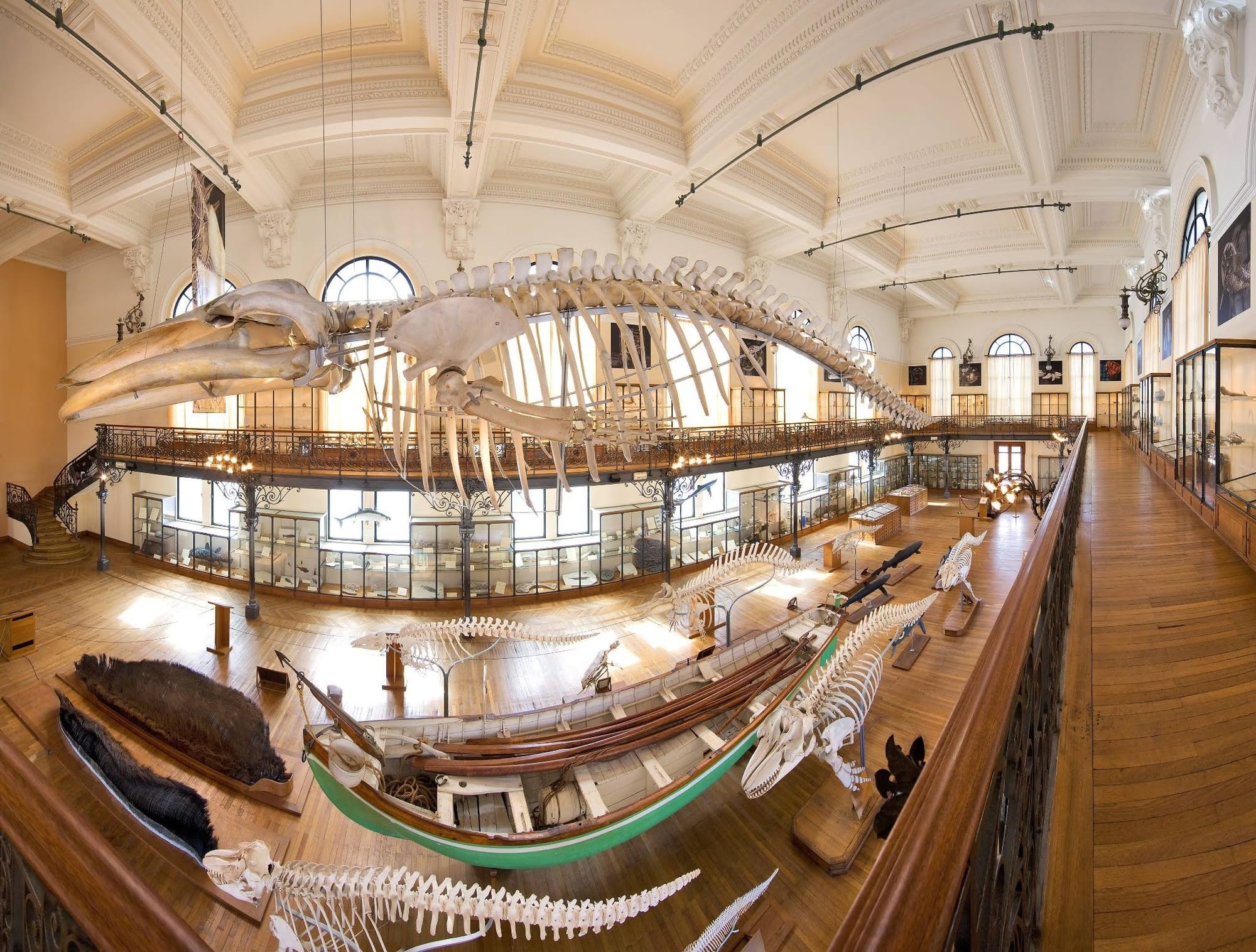
The Oceanographic Museum of Monaco is among the most architecturally distinctive science museums in the world, built directly into the cliff face of Le Rocher over 11 years, opening on March 29, 1910, by Prince Albert I who was the principality's "scientist prince" who devoted his reign to marine research. More than 6,000 specimens are displayed across the building's extraordinary rooms, from baby sharks and dancing seahorses to sea urchins and sea cucumbers. To visit the Oceanographic Museum is to understand why it has been an international benchmark for ocean science and conservation for more than a century. It overlooks the sea from atop The Rock giving it a physical relationship to its subject matter no landlocked institution can achieve.
The Monaco Top Cars Collection
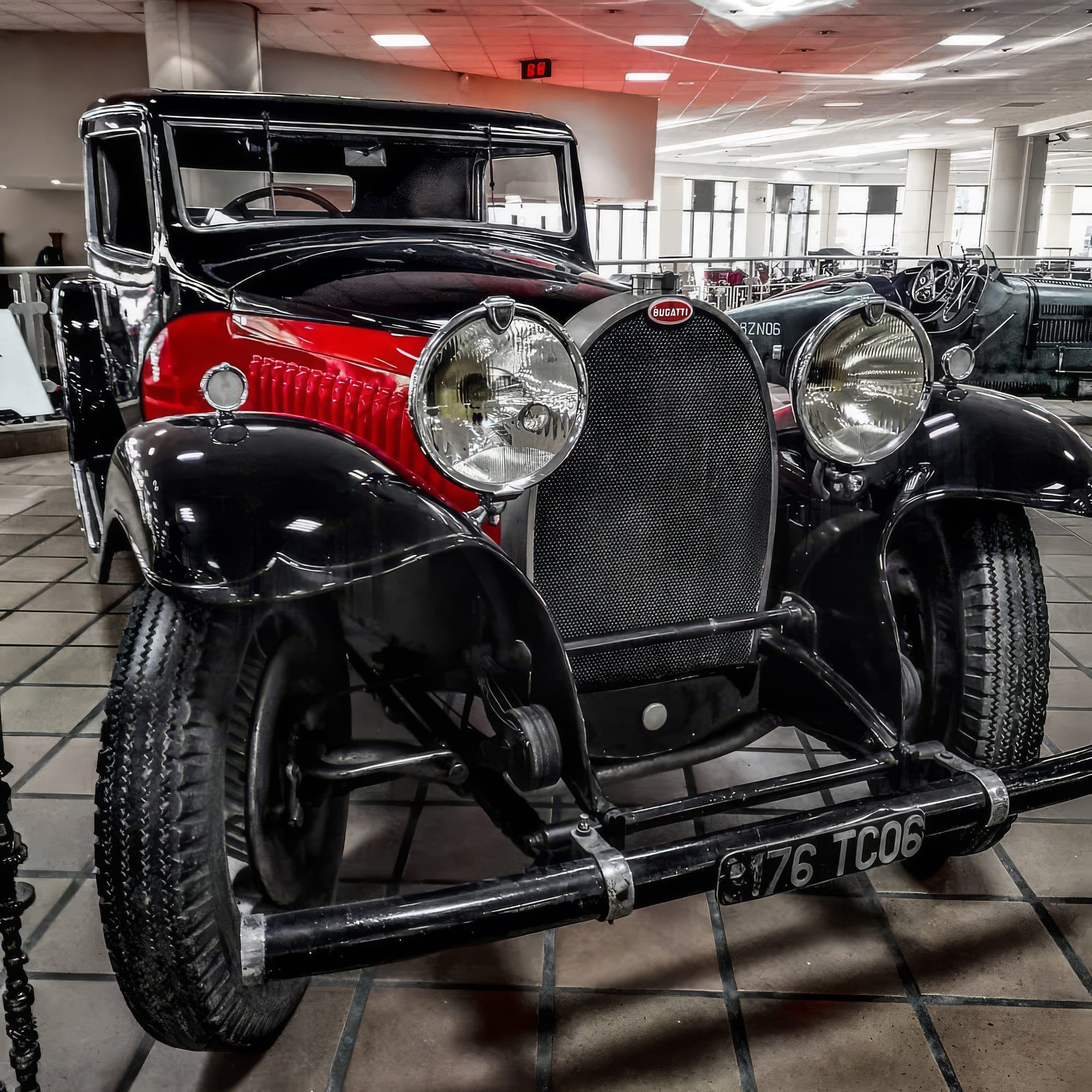
The Monaco Top Cars Collection in Fontvieille documents Prince Rainier III's personal collection of nearly 100 classic vehicles displayed across five purpose-built levels in the Terrasses de Fontvieille. The collection spans the entire history of European and American automobile design. Among the most significant exhibits is the Bugatti Type 35 that William Grover-Williams drove to victory in the inaugural Monaco Grand Prix in 1929 and Sébastien Loeb's Citroën DS3 WRC from his 2013 Monte Carlo Rally championship. The collection was reorganized and expanded at Prince Albert II's initiative and the result is one of the finest automobile museums in Europe. The Automobile Club de Monaco plays an integral role in preserving this heritage.
The New National Museum of Monaco
The Nouveau Musée National de Monaco operates across two Belle Époque villas, Villa Paloma and Villa Sauber. It presents two major exhibitions annually that engage with contemporary visual art through the lens of the principality's cultural and historical heritage. Villa Sauber focuses on art and performance. Villa Paloma concentrates on art and territory. Recent programming has included retrospectives of Erik Bulatov and Yinka Shonibare and the NMNM maintains an extensive permanent collection centered on the work of artist Kees van Dongen.
The Museum of Old Monaco
The Old Monaco Museum in Monaco Ville preserves what the principality's more spectacular institutions might overshadow. Guests get a glimpse of the material culture of daily Monegasque life before the casino age transformed everything. Ceramics, paintings, furniture, costumes and reconstructed scenes from Le Rocher's domestic history constitute a collection whose fundamental mission is to preserve and transmit Monegasque identity across generations. This is as important to the principality as anything in its more internationally celebrated institutions.
Villa Sauber
Villa Sauber, as the second NMNM location, holds particular architectural significance as one of the last intact Belle Époque villas in Monaco. Since 1969 the house and garden have been the property of the Principality and the building itself has become as interesting as the art it contains, a rare example of the residential scale once characterizing the Monegasque seafront.
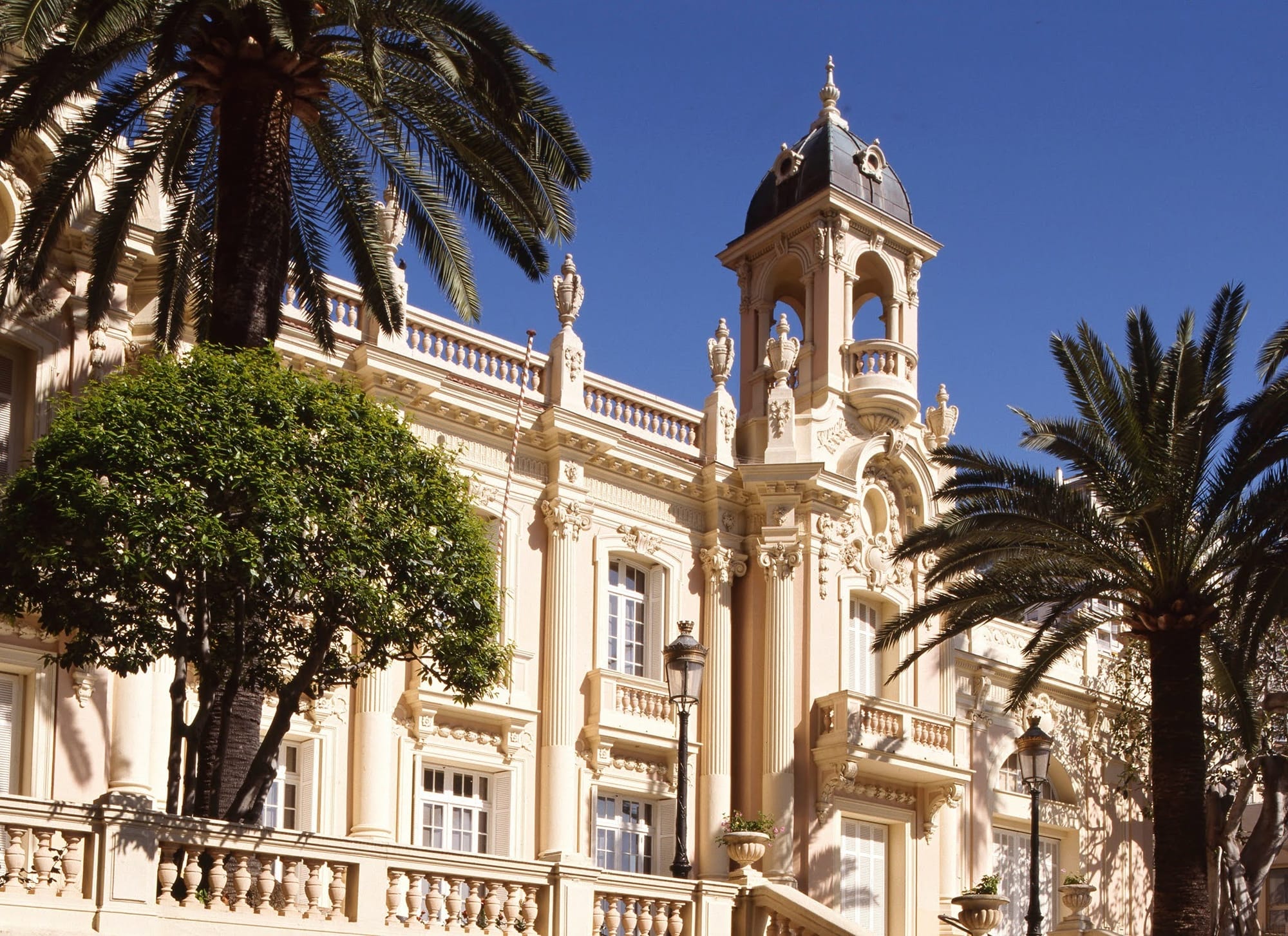
Arts and Galleries
Art holds a central place in Monegasque civic life in a manner that goes beyond the collecting habits of wealthy residents. The principality's public spaces contain more than 200 sculptures. Galleries are occupied by institutions of international standing alongside more experimental spaces that give emerging artists access to an unusually discerning audience. For visitors exploring the glamor of Monaco beyond its casinos and circuit, the gallery scene represents some of the finest cultural experiences the principality has to offer.
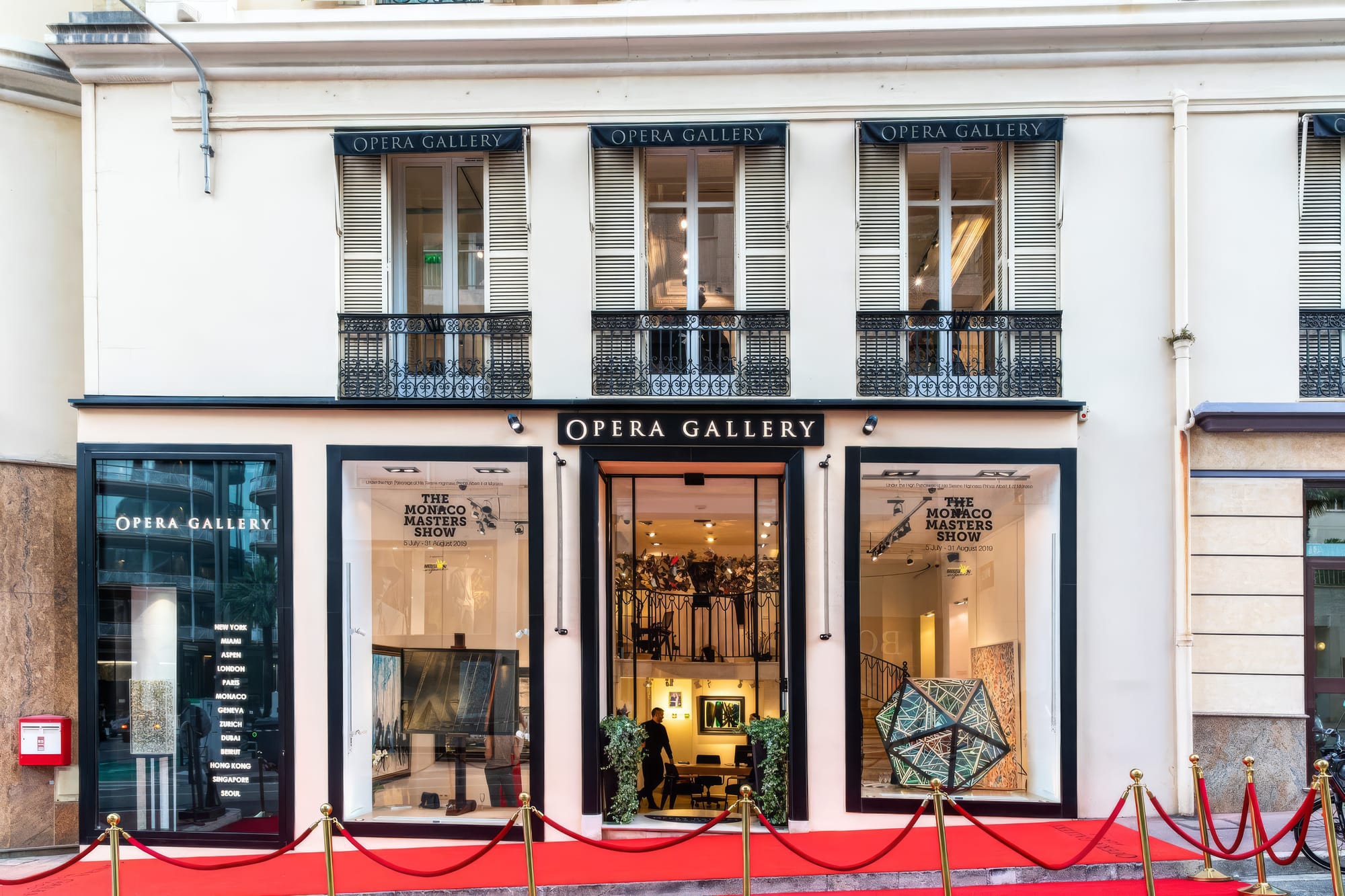
The Opera Gallery Monaco
The Opera Gallery Monaco stands among the most internationally connected gallery spaces in the principality, part of a network with sister venues from New York to Hong Kong and bringing to Monaco regular exhibitions of exceptional reach and quality. The gallery has shown work by celebrity photographer Douglas Kirkland whose archive of Marilyn Monroe and Audrey Hepburn images constitutes some of the most significant documentary photography of the 20th century. In addition, visitors will find pieces by Pablo Picasso.
Galerie du Forum Kamil
Galerie du Forum Kamil occupies a bright, airy space near the beach in Monte Carlo, directly opposite the Japanese Garden. It has built a reputation for supporting emerging artists while simultaneously presenting work by established figures including Damien Hirst, Lorenzo Quinn and the photographer Luz. The gallery's programming remains genuinely surprising, a quality not always guaranteed in the principality's more commercially-oriented exhibition spaces.
Maison d'Art Monaco
Maison d'Art Monaco on Avenue de la Costa focuses on Old Master paintings from the 13th to 18th centuries with works by Friesz, Kisling, Boldini and Greuze appearing alongside Baroque, Rococo and Neoclassical masterwork. The museum also maintains a contemporary program including Damien Hirst and sculptor Blake Ward. The combination of antiquity and modernity marries the gallery with artistic tradition and modernity.
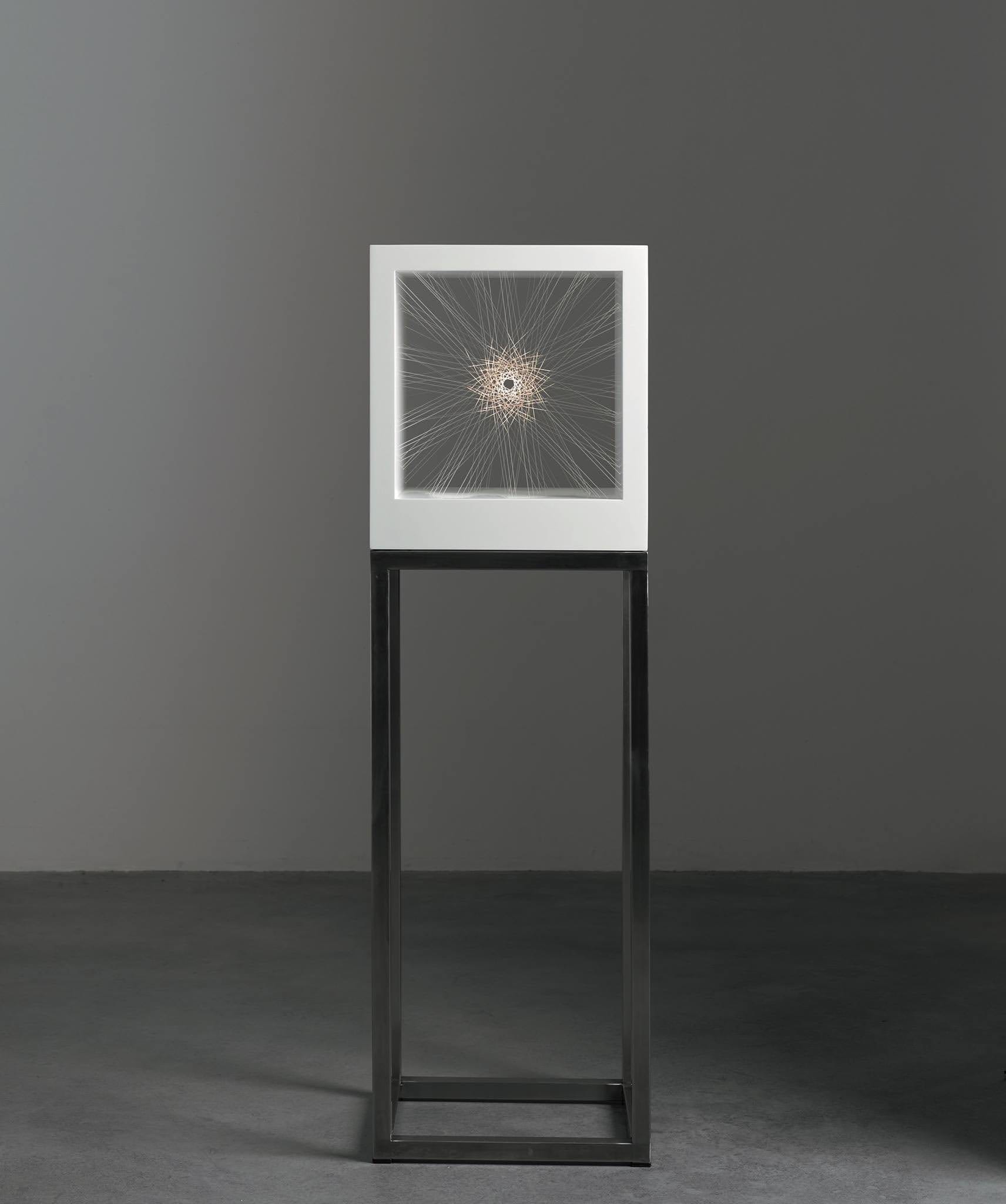
The Francis Bacon MB Art Foundation
The Francis Bacon MB Art Foundation is among the most specialized and significant arts institutions in Monaco, a non-profit dedicated to the life, work and creative process of one of the 20th century's most important painters. The foundation's collection exceeds 3,000 items and includes the largest gathering of Bacon's early paintings anywhere in the world, alongside an archive of his working materials, books and documents.
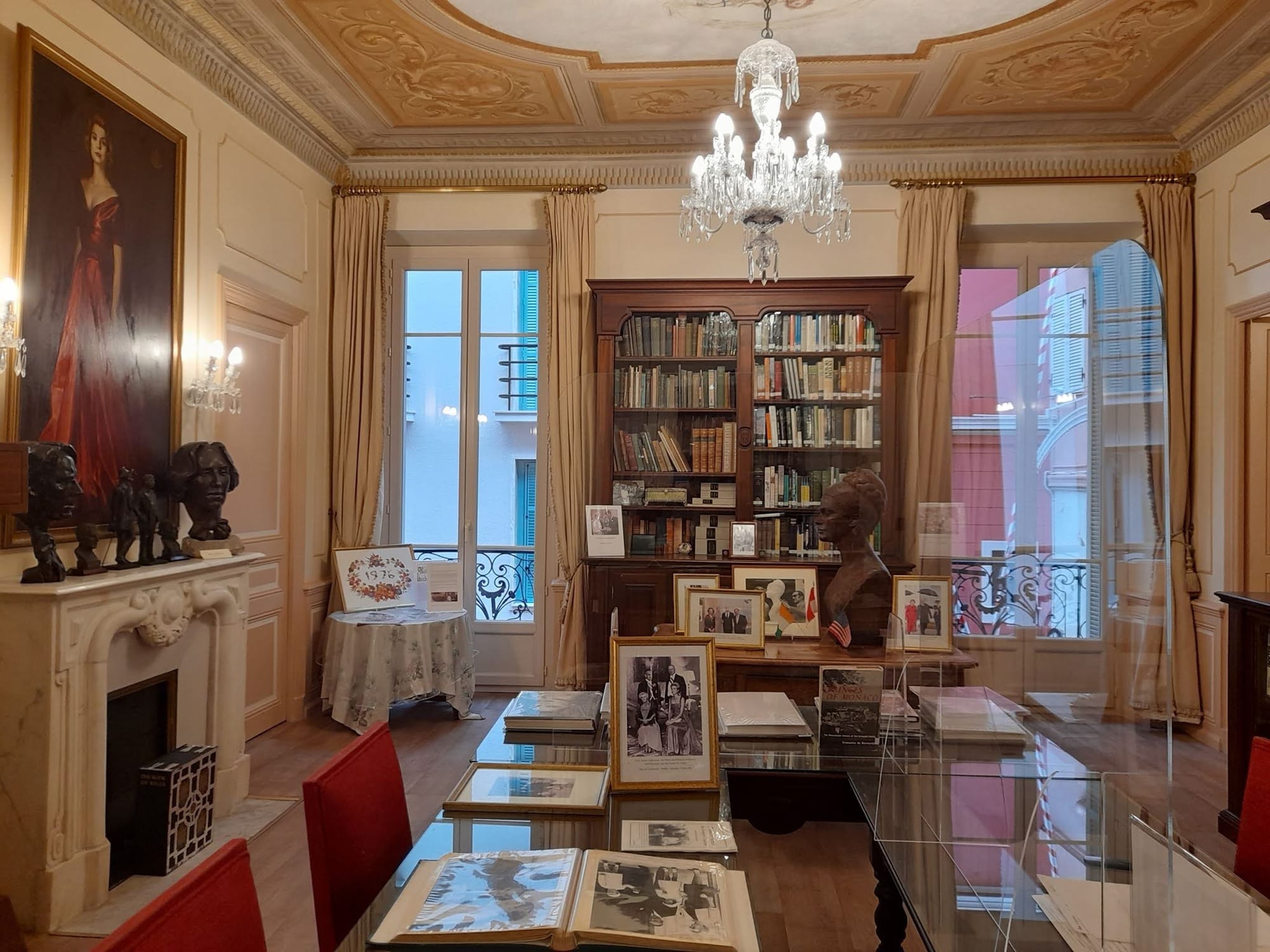
The Princess Grace Irish Library
The Princess Grace Irish Library, tucked into a small street near the Prince's Palace, is the kind of cultural institution only Monaco could sustain. This is a dedicated library of Irish and English literature, maintained under the aegis of the Princess Grace Foundation, housing rare works by Oscar Wilde, Iris Murdoch, William Trevor and Samuel Beckett alongside materials reflecting Princess Grace's literary interests. The library lends books, offers a children's area and provides a genuinely tranquil afternoon retreat. For those tracing Grace Kelly's legacy through the principality's cultural landscape, this is an essential stop.
Gardens and Green Spaces
One-fifth of Monaco is given over to parks, extraordinary gardens and green spaces as a commitment to the natural world.. Monaco’s gardens are individually distinctive, expertly managed according to ecological principles and, in several cases, internationally significant collections in their own right. These gardens represent one of the destination's most underappreciated pleasures.
The Japanese Garden
The Japanese Garden in Larvotto was created in 1994 at the specific request of Prince Rainier III by landscape architect Yasuo Beppu, who had won the Grand Prix at the Osaka Flower Exhibition in 1990 and who continues to return from Japan annually to advise on the garden's care. The essential components of a classical Japanese garden including pond, islands, waterfall, stone lanterns, arched bridges, a tea house and a Zen garden, have been assembled here with the kind of attention to proportion and material that distinguishes the work from mere transplantation. At the foot of the central pavilion, a pond of koi carp moves through water lilies and lotus flowers in a scene that, despite its Mediterranean context, feels genuinely Japanese.
The Exotic Garden of Monaco
This celebrated garden climbs the cliffs above the principality in a progression of paths that wind past more than 1,000 cacti and succulents, including specimens of extraordinary age and size. Prince Albert I first assembled the collection at the turn of the last century. Enormous trees that line the upper paths have achieved dimensions that testify to the garden's age and the quality of the Monegasque climate. Within the garden, the Observatory Cave, a limestone chamber carved out over millennia by underground water, offers a subterranean extension of the experience at an altitude of 100 meters above the sea.
The Princess Grace Rose Garden
The Princess Grace Rose Garden within Fontvieille Park was conceived by Prince Rainier III as a personal memorial to his wife. It is designed on the principles of an English garden while maintaining its Mediterranean character through the presence of 100-year-old olive trees. The bronze statue of Princess Grace, created in 1983 by sculptor Kees Verkade, presides over the garden with a quiet authority that makes this one of Monaco's most endearing public spaces. The gates still include her monogram and the garden remains accessible all hours.
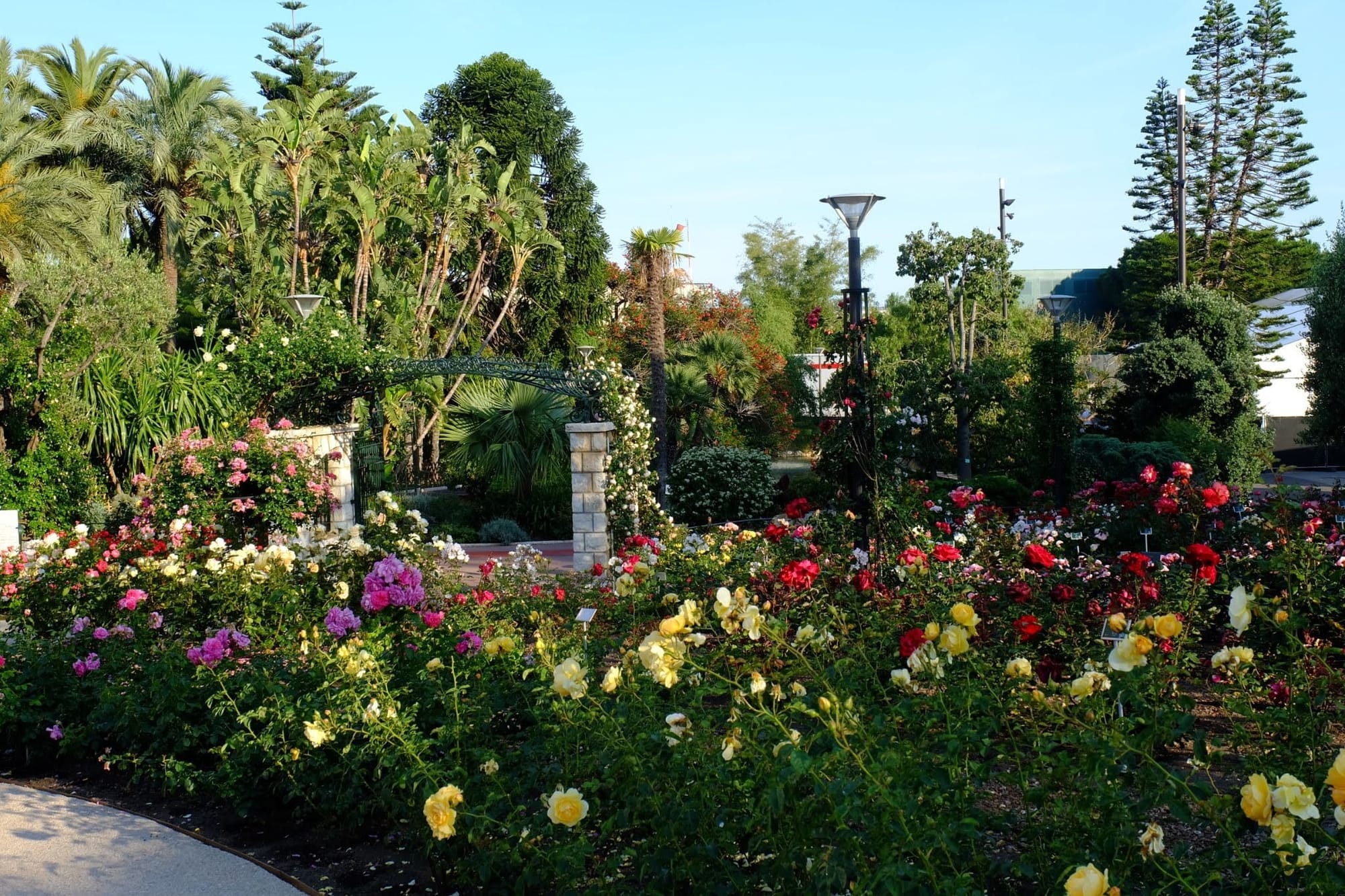
St. Martin Gardens
St. Martin Gardens, concealed below the road between the Oceanographic Museum and the Cathedral. These gardens offer some of the most spectacular sea views from any garden in the principality, accessed via steep winding paths that hug the contours of The Rock. François Cogne's bronze statue of Prince Albert I as a sailor anchors the garden's central space beside a pond. Archaeological finds from the Holocene era have been uncovered in these gardens, adding another dimension to the experience.
The Casino Gardens
The Casino Gardens, designed by celebrated landscape architect Édouard André, represent a different kind of ambition. The French-style garden with landscaped valleys, waterfalls, streams and ponds, was developed from a theory about the Riviera's natural character as a zone of perpetual botanical exuberance. André imagined the region's gardens as places that should give the impression, from December through March, of blazing tropical abundance and an eternal spring expressed through planting choices that emphasize the extraordinary and unusual. The result remains one of the most carefully maintained ornamental gardens on the entire coast.
Nightlife and Casinos
Monaco's evenings are as deliberately curated as everything else about the principality. The spectrum runs from the legendary casino halls of Monte Carlo through rooftop bars designed by Karl Lagerfeld to cliff-edge clubs where the world's most celebrated DJs perform against backdrops of superyacht-studded harbor views. For visitors seeking the best things to do in Monaco after dark, this is where the principality comes fully into its own.
Bars and Nightclubs
Jimmy'z Monte-Carlo at the Sporting Monte-Carlo complex on the seafront has been Monaco's definitive nightlife destination for decades, drawing an international clientele for evenings anchored by an impressive sequence of resident and visiting DJs like Bob Sinclar, Martin Solveig, Mark Ronson and, Fatboy Slim. The outdoor seafront setting is electric with an atmosphere that builds through champagne service of an appropriately immoderate scale toward dancing that typically continues into the early hours.
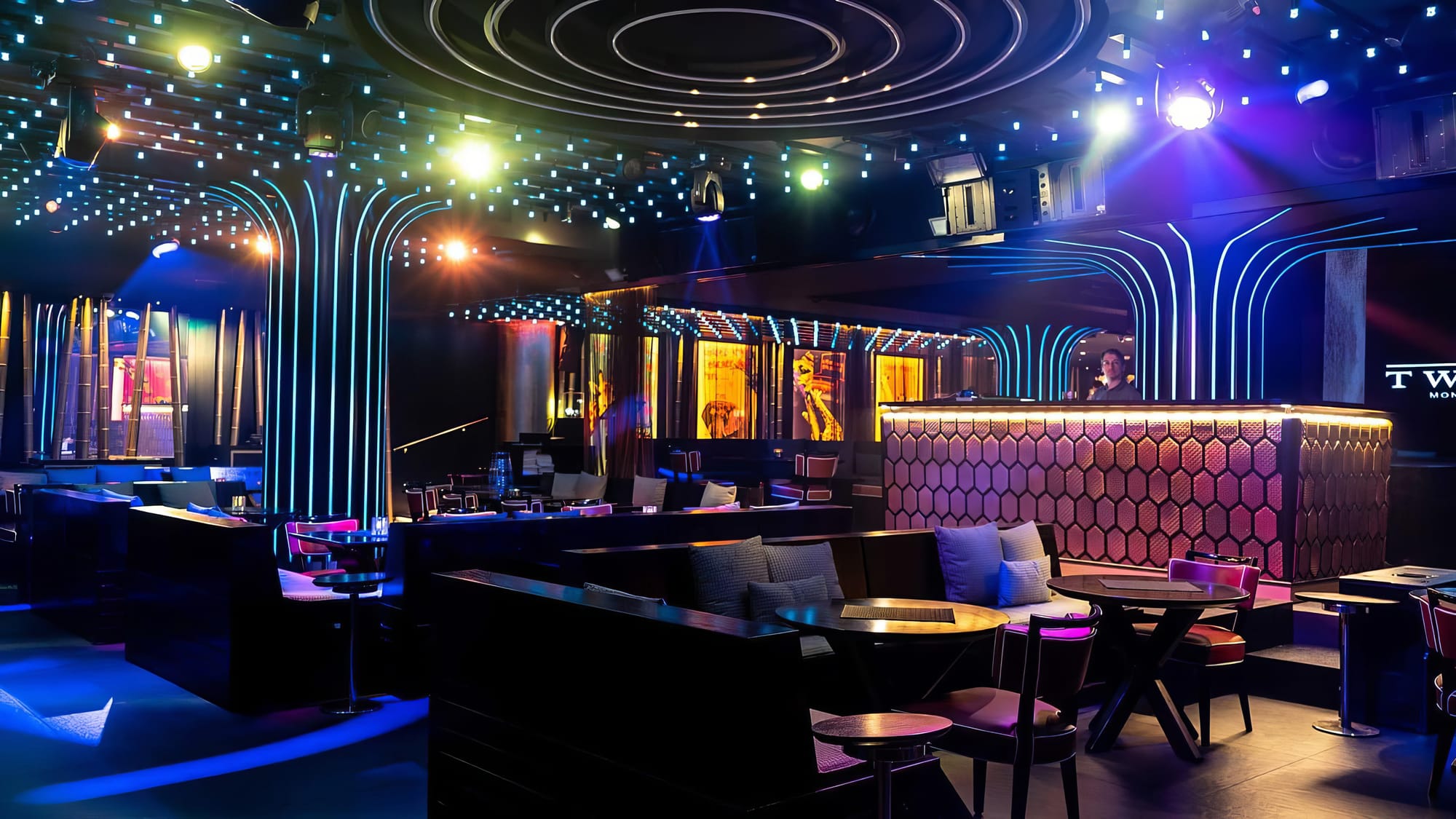
Twiga Monte-Carlo moved to its current location on the second floor of the Grimaldi Forum in 2021, bringing with it the distinctive energy of Flavio Briatore's Billionaire Club concept. Guests can choose dinner service from two restaurants featuring Italian and Japanese cuisine and can transition to the nightclub at around 1 a.m.. Sea views here are exceptional.
Sass Café Club on Avenue Princesse Grace is among Monaco's most enduring social institutions. The club was fully refurbished in 2019 but retains the dimly lit red and gold interior, making it a reliable gathering point for the principality's international glitterati across generations. The atmosphere builds steadily from dinner through dancing.
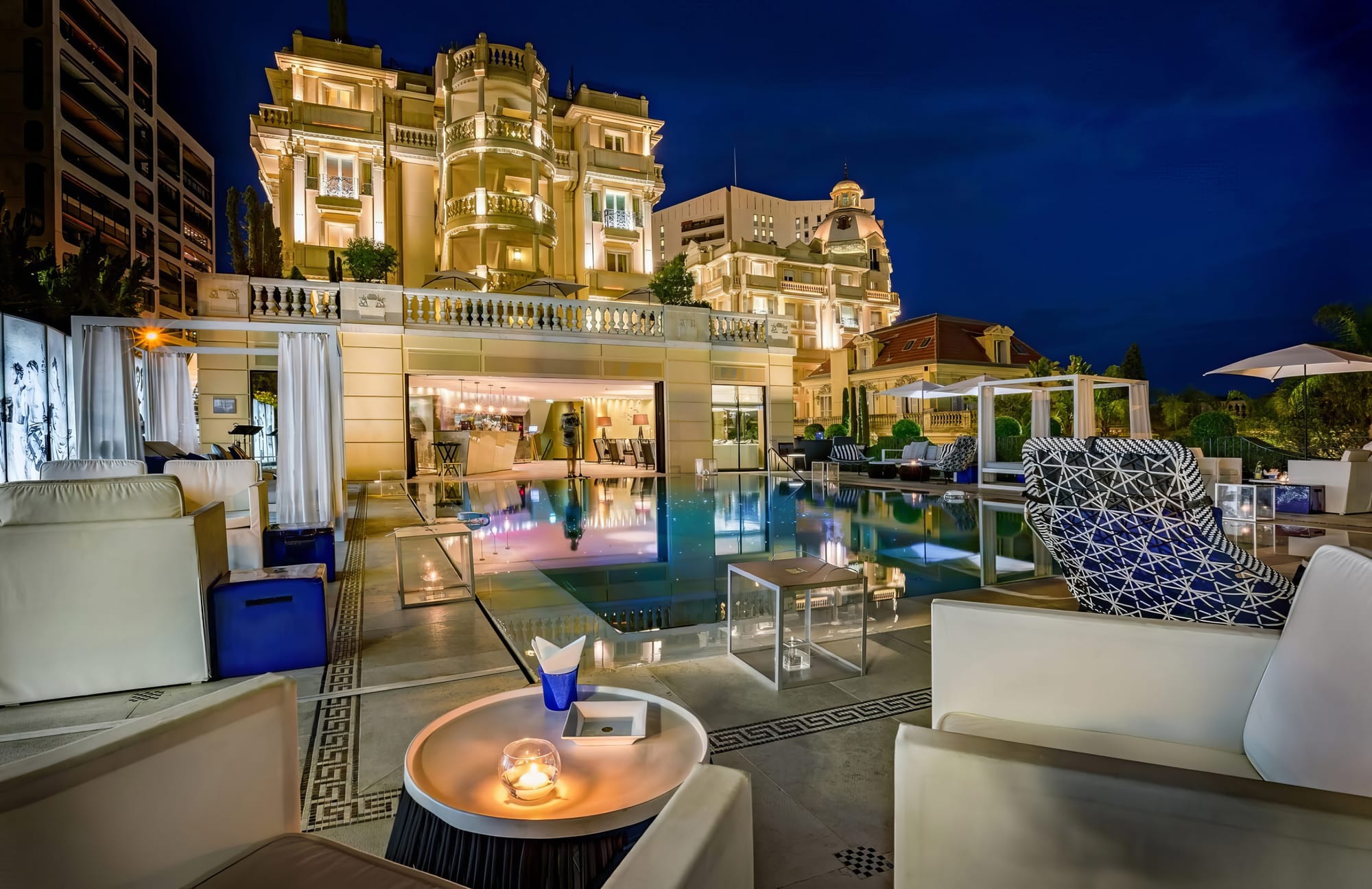
Odyssey at the Hôtel Métropole is where Monaco's nightlife meets its luxury hospitality in the most exquisitely designed setting. The rooftop space was imagined by Karl Lagerfeld with a garden, pool and lounge bar arranged around a central pool with views across Monte Carlo. The result is somewhere between a private members' club and an exemplary roof terrace, with a gourmet poolside menu that makes it equally appropriate for dinner and for late-evening beverages.
La Rascasse is literally unrepeatable in Monaco’s landscape. The bar is built into the penultimate corner of the Monaco Grand Prix circuit, with racing cars circling the building's perimeter during race weekend. The year-round atmosphere benefits enormously from the proximity to the pit lane and Paddock Club, giving La Rascasse an insider quality no amount of interior design could manufacture. During the F1 Grand Prix weekend, it is simply the place to be.
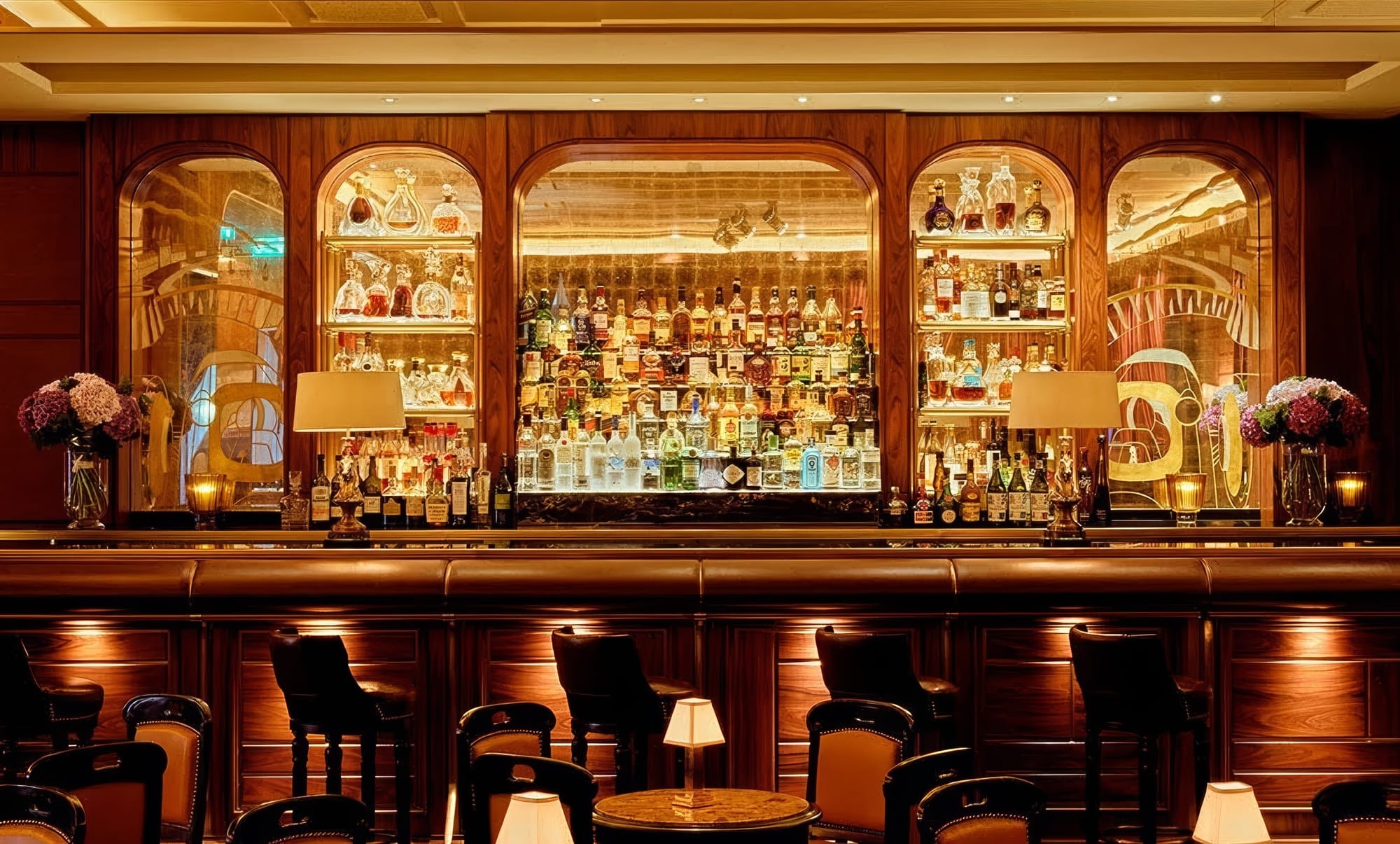
Le Bar Américain at the Hôtel de Paris deserves special mention for the particular quality of its atmosphere. It is resplendent with a kind of discreet 1920s glamour, expressed through burnished leather armchairs, glossy wood and soft lighting, that feels completely at home. Buddha-Bar de Monte Carlo, just off Casino Square in a former concert hall, offers the opposite. It is louder, more theatrical, mixing Asian sculptural elements with baroque moldings in a combination that manages to be comfortable as well as eccentric. La Distillerie de Monaco, producing the principality's own spirits from locally sourced botanicals, is worth seeking out for a beverage with genuine Monegasque provenance.
Casinos
Casino de Monte-Carlo has been shaping the identity of Monaco since its founding in 1863. The experience of entering the famous Monte Carlo Casino today through the Belle Époque facade, past the Bohemian crystal chandeliers, to the tables in the Salle Renaissance or Salle des Amériques, remains what every other casino in the world implicitly measures itself against. The full complement of classic games is offered with a level of theatrical attention to setting. Gambling here is as much about the environment in which it occurs as the outcome of any individual hand.
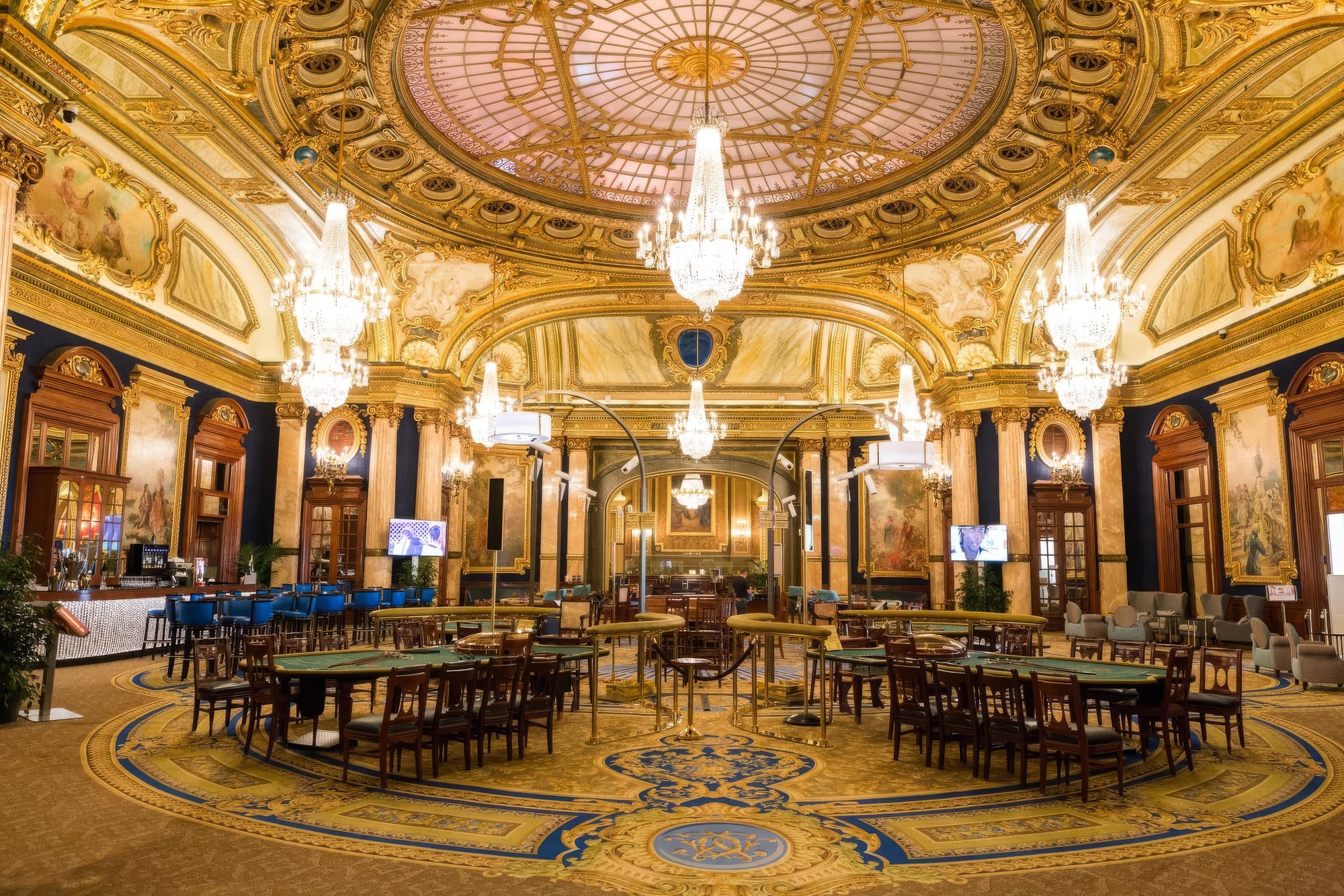
Casino Café de Paris provides a more accessible counterpart to its grand neighbor, maintaining a state-of-the-art selection of slot machines alongside traditional table games like Blackjack, English Roulette, Ultimate Texas Hold'em Poker. The atmosphere is lively and perpetually populated by a mix of dedicated regulars and curious visitors.
Shopping
Monaco has positioned itself as the international capital of luxury retail with a conviction borne out by the sheer density and quality of what is available within its borders. From the established fashion houses of the Shopping Promenade to the single-appointment-only jeweler Orlov which produces just 120 pieces annually from its Italian workshop. The principality's commercial offer spans every register of luxury acquisition. Visitors to Monaco seeking places to visit beyond the casino and circuit will find the shopping landscape equally rewarding.
One Monte-Carlo
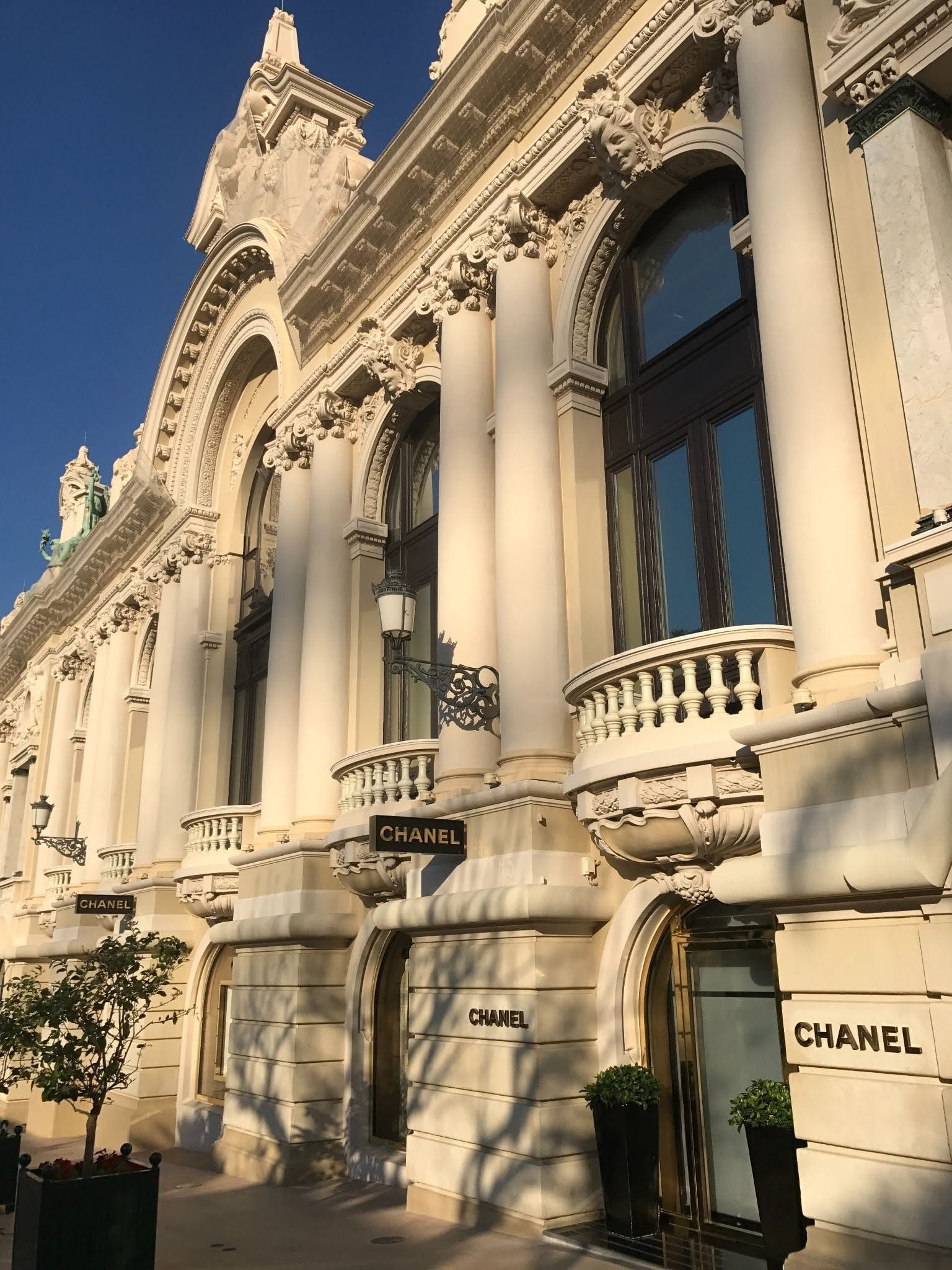
One Monte-Carlo is the principality's most significant recent addition to its retail landscape: a brand-new fashion district of 24 high-end boutiques between the Hôtel Hermitage and Casino Square, housing Louis Vuitton, Chanel, Balenciaga, Fendi, Lanvin and Akris among others within an architectural setting using glass and noble materials to create what developers have described as a luminous tribute to the Riviera.
Shopping Promenade
The Shopping Promenade around the Place du Casino constitutes an open-air circuit of more than 40 boutiques from the most prestigious brands in global fashion, haute couture, perfumery and jewelry. The setting mirrors the prestige of its occupants, and the continuous surveillance that keeps it among the most secure shopping environments in the world is a detail that its clientele genuinely appreciates.
Jeweler's Patio
The Jeweler's Patio at the Hôtel de Paris Monte-Carlo is where the principality's most exalted jewelry houses such as Harry Winston, Graff and Stardust display their finest creations in an open-air patio framed in solid marble.
Boutique du Rocher
Boutique du Rocher in Monaco-Ville was opened more than 50 years ago by Princess Grace herself and has maintained both its character and its purpose through the decades since. The shop sells local arts and crafts, antique toys, hand-carved picture frames and a range of objects that constitute a "Made in Monaco" shopping experience with genuine cultural roots. Proceeds from each purchase support the Princess Grace Foundation's work with children's hospitals and cultural institutions.
Chocolaterie de Monaco
Chocolaterie de Monaco, founded in 1920 by Pierre Maurin and appointed official supplier to the Palace by Prince Rainier III in 1999, produces a range of chocolate confections with commemorative boxes dedicated to Grace Kelly, the Oceanographic Museum and the Monaco Grand Prix among them. These offerings represent one of the most distinctly Monegasque souvenirs available anywhere in the principality.
La Condamine Market
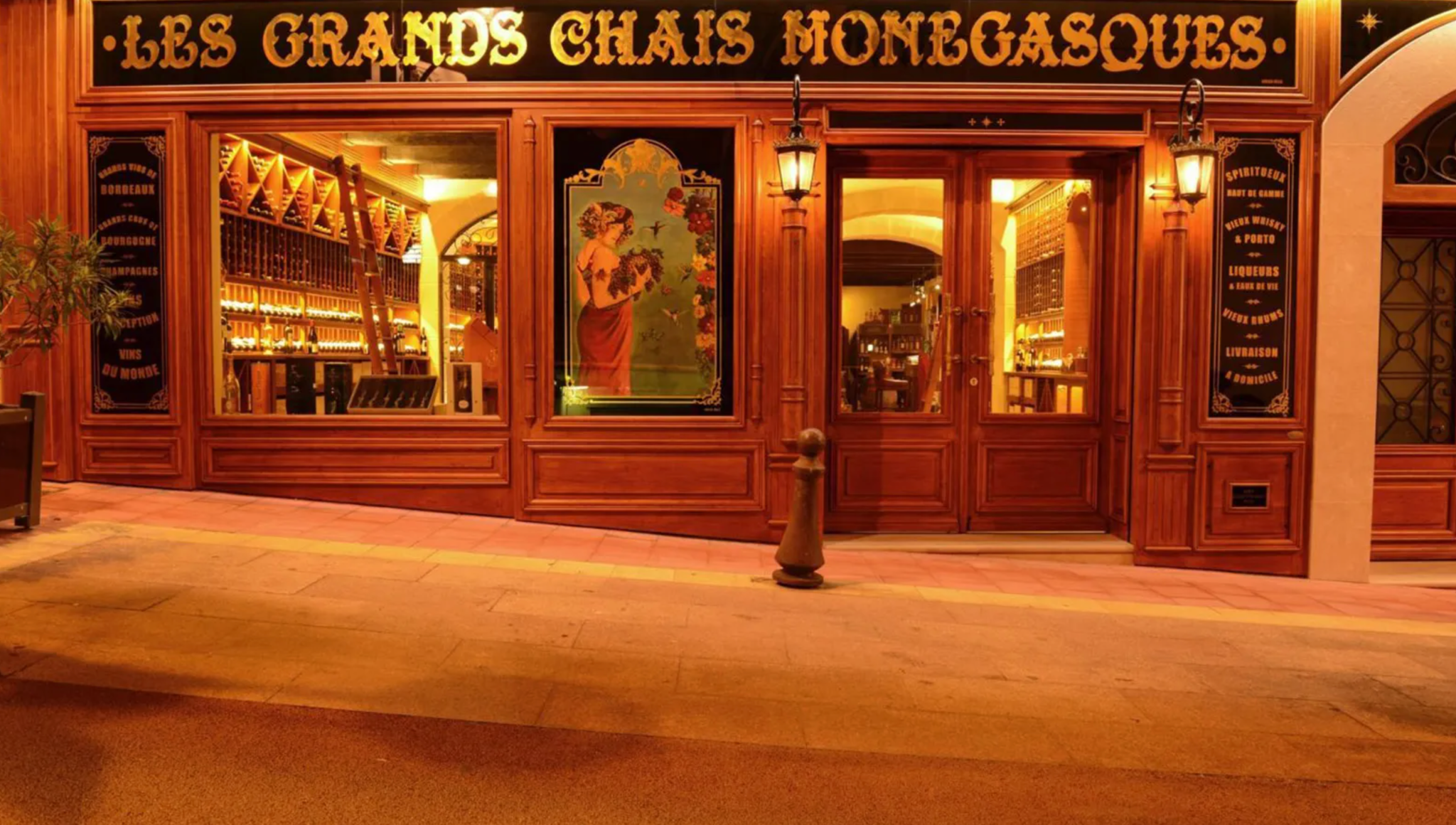
La Condamine Market, open every day of the year since its founding in 1880, provides the most direct encounter available with authentic Monegasque commercial life. About 20 vendors offer specialty foods including socca, barbagiuans, pissaladière and fougasse. Les Grands Chais Monégasques, the oldest wine cellar in the principality, has been selecting fine wines, champagnes and rare spirits since the early 1900s and offers the additional service of delivering directly to superyacht cellars.. Orlov, by appointment only, produces no more than 120 pieces per year from its Italian workshop, making it among the most exclusive jewelry destinations on the entire French Riviera.
Water Sports and Activities
Monaco's geography makes it one of the most dramatically positioned places in Europe for water-based activities for every level. The sea directly off the principality is accessible, relatively protected and, when combined with the helicopter and aerial programs available from the Monaco Heliport, opens possibilities ranging from the meditative to the genuinely exhilarating. These activities in Monaco represent some of the best things to do for those who measure a visit by physical engagement with the sea as much as by what they eat and see.
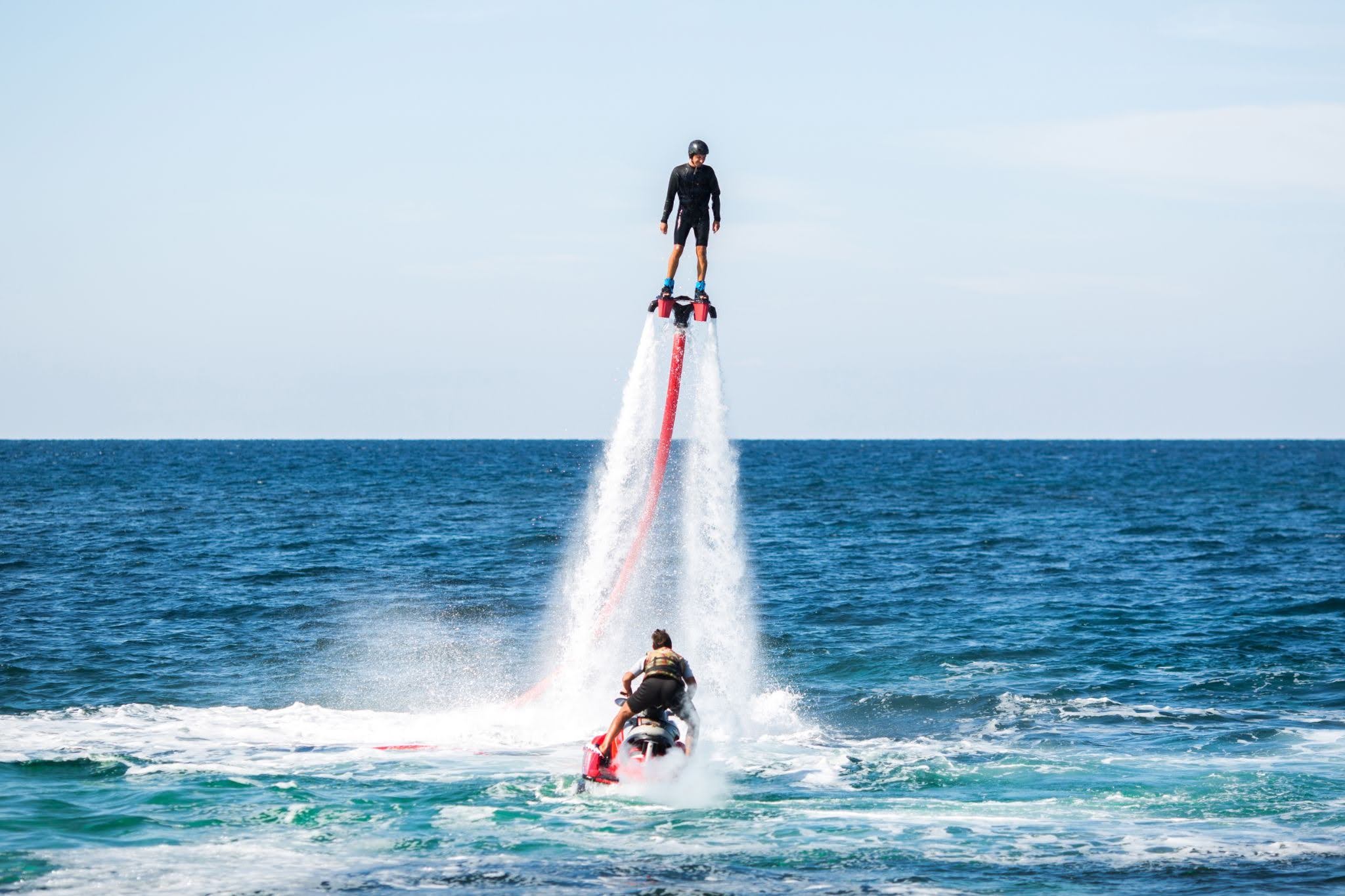
On the water itself, options cover almost the entire spectrum of contemporary aquatic recreation. Jet-skiing is available for those with the appropriate license; Flyboarding, the Fliteboard efoil and the Jetlev flyer. These state-of-the-art jetpacks are capable of flights of heights up to 12 meters and speeds approaching 80 km/h. They are operated by specialists familiar with the specific conditions of the Monaco coast. Water skiing and wakeboarding are best in the early morning before the Mediterranean sea breezes disturb the surface and are available from Larvotto Beach, the Meridien Beach Plaza and the Monte Carlo Beach Hotel. Stand-up paddleboarding in the waters around Cap Martin and Villefranche Bay offers a more contemplative form of engagement with the sea, with SUP yoga and SUP boxing available for those who appreciate recreational activities that defy easy categorization.
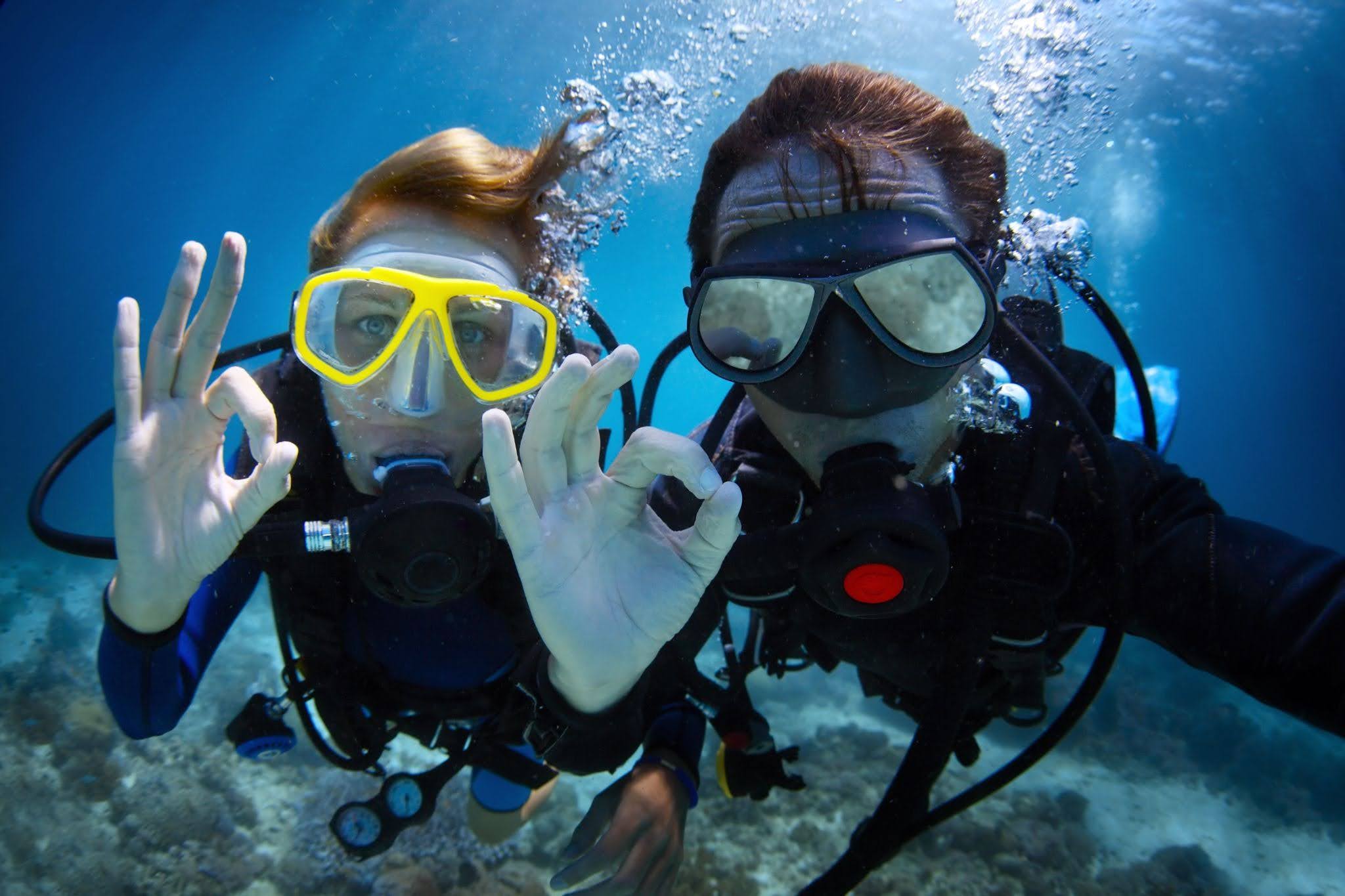
Scuba diving around Monaco's coast rewards experienced divers with moray eels, scorpionfish and a variety of reef structures and underwater caves, while whale-watching excursions via private charter yacht take guests several nautical miles offshore to the marine reserve where sperm whales and dolphins are regularly observed. Canyoneering or walking, climbing, jumping, abseiling and swimming to navigate natural canyon courses, is possible at the Barbaira canyon in the Italian village of Rocchetta Nervina, about 30 minutes from Monaco, or on more demanding full-day excursions through the Grognardo and Argentina canyons.
Monaco's helicopter program, operated principally through Monacair, extends the range of available experiences considerably. Panoramic flights over the principality and the surrounding coast taking in Menton, Roquebrune-Cap-Martin, Eze, Villefranche-sur-Mer and Cannes, provide a perspective unavailable from any ground-based vantage point. Heli Golf connects Monaco to Terre Blanche in Fayence and Château de Taulane in La Martre, two of the most celebrated courses in the south of France. Heli Gastronomy delivers guests to the Bastide de Moustiers, Alain Ducasse's inn at the gateway to authentic Provence or to Château Saint-Martin & Spa in Vence for lunch in settings of extraordinary natural beauty.
Day Trips and Excursions
Monaco's position on the coast with the French backcountry rising immediately behind it, the Italian border within 30 minutes and the entire western Riviera within easy reach, makes it one of the finest bases for day-trip exploration anywhere in Europe. Whether you are here for a brief stay or for a full week, a day trip into the surrounding region is as straightforward as it is rewarding. For those arriving from this stretch of coast, the French and Italian Riviera unfolds in both directions with extraordinary generosity.
Eze Village
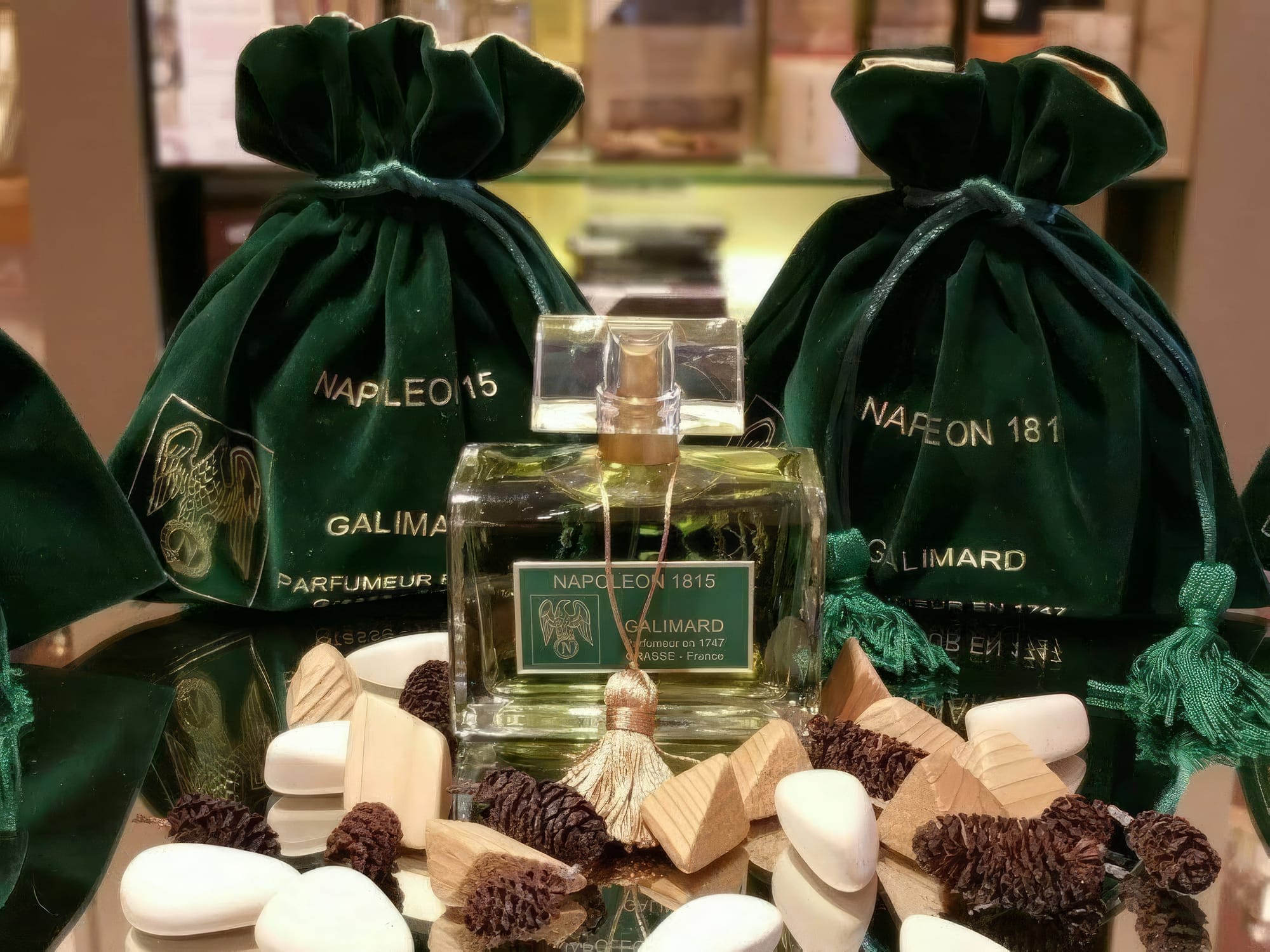
Eze Village is the most immediate and rewarding day trip from Monaco for guests staying in or around the principality. The medieval village, 15 minutes from Monte Carlo by the Moyenne Corniche, rewards slow exploration. Cobblestone lanes wind unpredictably between craft workshops and restored stone houses, small squares appear without warning and the panoramic views at the top of the village stretch along the coast in both directions. The Gallimard perfume factory offers a detailed introduction to the history and technique of Riviera perfumery. Guests at Villa Claire begin each morning within this landscape.
La Turbie and the Trophy of Augustus
La Turbie and the Trophy of Augustus occupies a position 1,150 meters above Monaco, in a small town that appears to float in the sky above the principality. The Trophy itself is a Roman monument erected in 6 B.C. to commemorate Emperor Augustus's conquest of the last Ligurian tribes. It stands at 35 meters and dominates the village around it. The walk from Beausoleil to La Turbie along the Roman road is one of the most atmospherically charged hikes within reach of Monaco.
Villa and Gardens Ephrussi de Rothschild
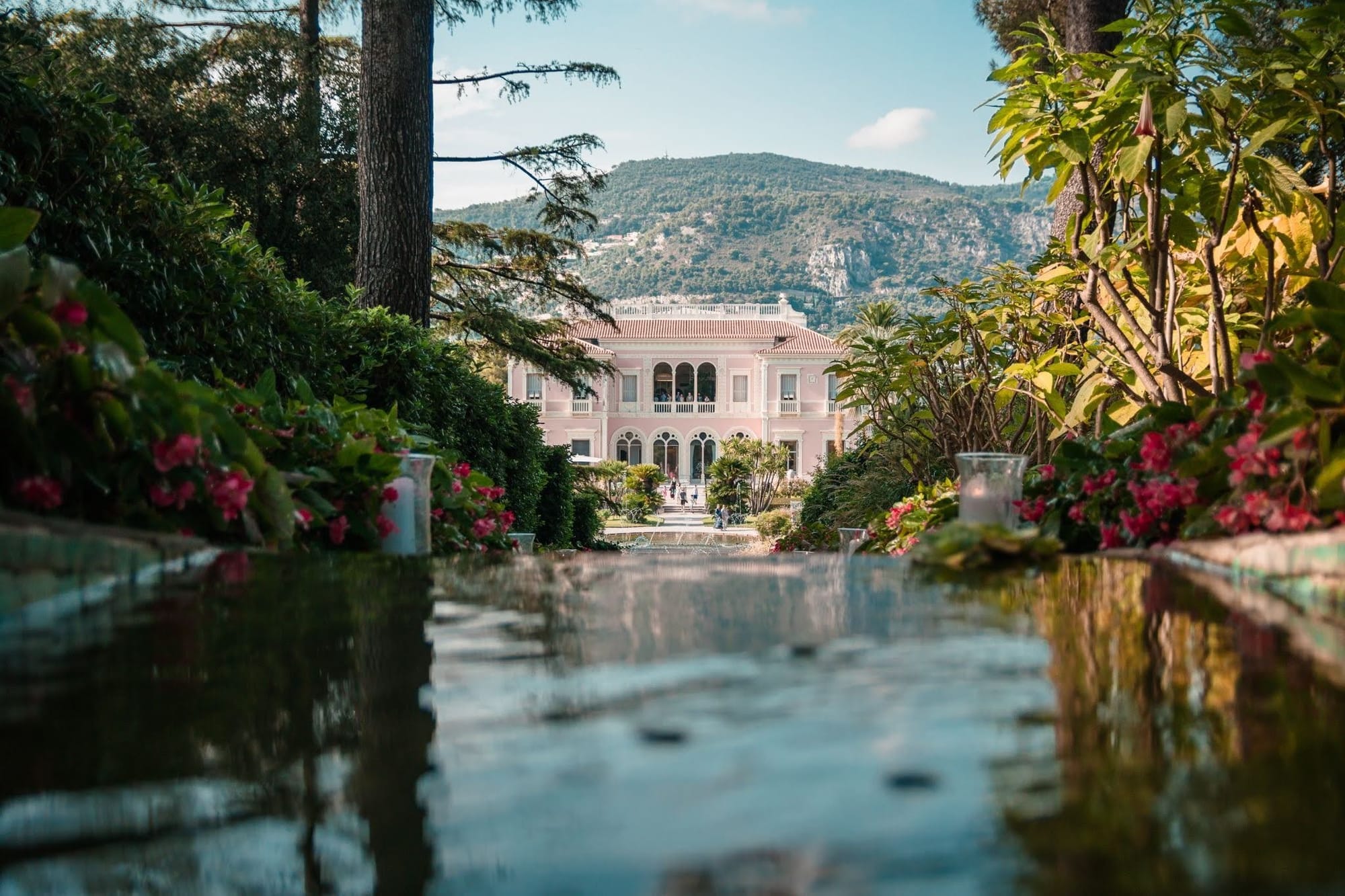
Villa and Gardens Ephrussi de Rothschild at the top of Cap Ferrat, reachable in less than 30 minutes from Monaco, is one of the most concentrated experiences of Belle Époque grandeur available anywhere on the Riviera. The villa built by Béatrice Ephrussi de Rothschild contains art collections of extraordinary range and quality, while the nine themed gardens include Spanish, Japanese, Exotic, Rose, Provençal, French, Florentine, Stone and Sèvres. They represent a single vision of horticultural ambition fully realized.
A Trip to Italy
A day trip from Nice through Monaco and on toward Ventimiglia, Dolceacqua and Sanremo combines the pleasures of border-crossing with access to a series of places each offering something genuinely unavailable on the French side. The principality serves as the natural gateway to this stretch of the Ligurian coast. Menton, with its microclimate and lemon festival, provides the gentlest introduction. Ventimiglia's open-air market operates on a different scale from anything in Monaco. Dolceacqua, a medieval village 15 minutes north of Ventimiglia with its arch-shaped bridge, baroque church of St. Antonio and the Doria castle, is unchanged from the late 1800s when Claude Monet was sufficiently enchanted to paint it. Sanremo, the final stop, offers its famous casino, the hillside medieval quarter of La Pigna and the finish line of the Milan-Sanremo cycling classic.
Roquebrune-Cap-Martin
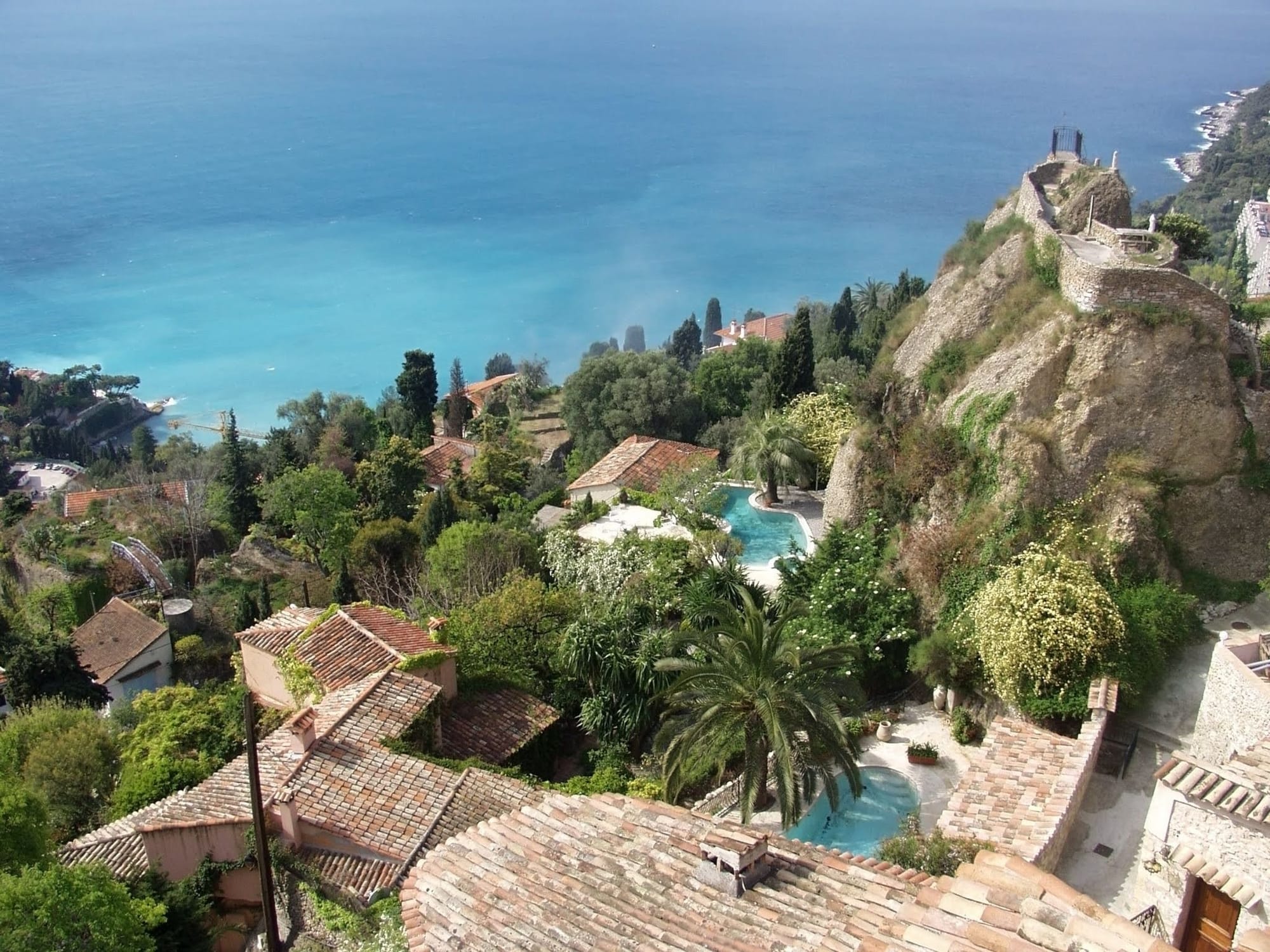
Roquebrune-Cap-Martin is as much a destination as it is an address for Villa Eleonora. The medieval castle and the village around it, Le Corbusier's cabanon, St. Marguerite's church and the ancient olive tree, reputedly among the oldest in Europe, constitute a concentration of historical and architectural significance that rewards multiple visits. During the Rolex Monte-Carlo Masters in April and May, the clay courts here provide some of the most intimate ATP Masters 1000 tennis viewing available anywhere on the circuit.
Events and Festivals
Monaco's event calendar is one of the most consistently spectacular in the world of luxury travel, built around a sequence of annual events that draw the global elite with the reliability of gravitational pull. For those planning a weekend in Monaco around a specific occasion, the calendar below covers the full sweep of the principality's signature experiences.
The Monaco Formula 1 Grand Prix
The Monaco Grand Prix is one of the oldest and most prestigious races in the world. To experience the Monaco Grand Prix is to witness motorsport theater without parallel. The racing circuit snakes around Port Hercule, through the streets of Monte Carlo and La Condamine in a series of tight bends against which protective barriers are positioned with no clearance whatsoever, a constraint that makes driving at racing speeds here an act of extreme precision as well as courage. The greatest names in racing history have distinguished themselves here: Fangio in the 1950s, Senna, who won six times and Schumacher through the following decades. For those who experience it from a terrace, a yacht or the Paddock Club rather than from the barriers, the Formula 1 race provides a backdrop no other sporting event in the world reliably matches.
The Historic Monaco Grand Prix
The Historic Monaco Grand Prix, held biennially in the fortnight preceding the modern race, brings more than 230 vehicles built between the 1930s and the late 1970s through the same circuit. Created in 1997 to mark the 700th anniversary of the Grimaldi Dynasty, the Historic Grand Prix offers a quality of automotive spectacle that the modern F1 race, for all its technical sophistication, cannot provide: the sight and sound of pre-war machinery being driven at genuine racing speeds.
Amber Lounge Fashion
Amber Lounge Fashion during Grand Prix weekend brings together the worlds of motorsport and fashion in an event that has raised more than USD$6.5 million for charitable organizations including Sir Jackie Stewart's Race Against Dementia and the Elton John AIDS Foundation. Racing drivers take to the catwalk alongside fashion industry figures and brands including Jimmy Choo, Melissa Odabash and Julien Macdonald have participated in the fashion show component.
The Monaco Yacht Show
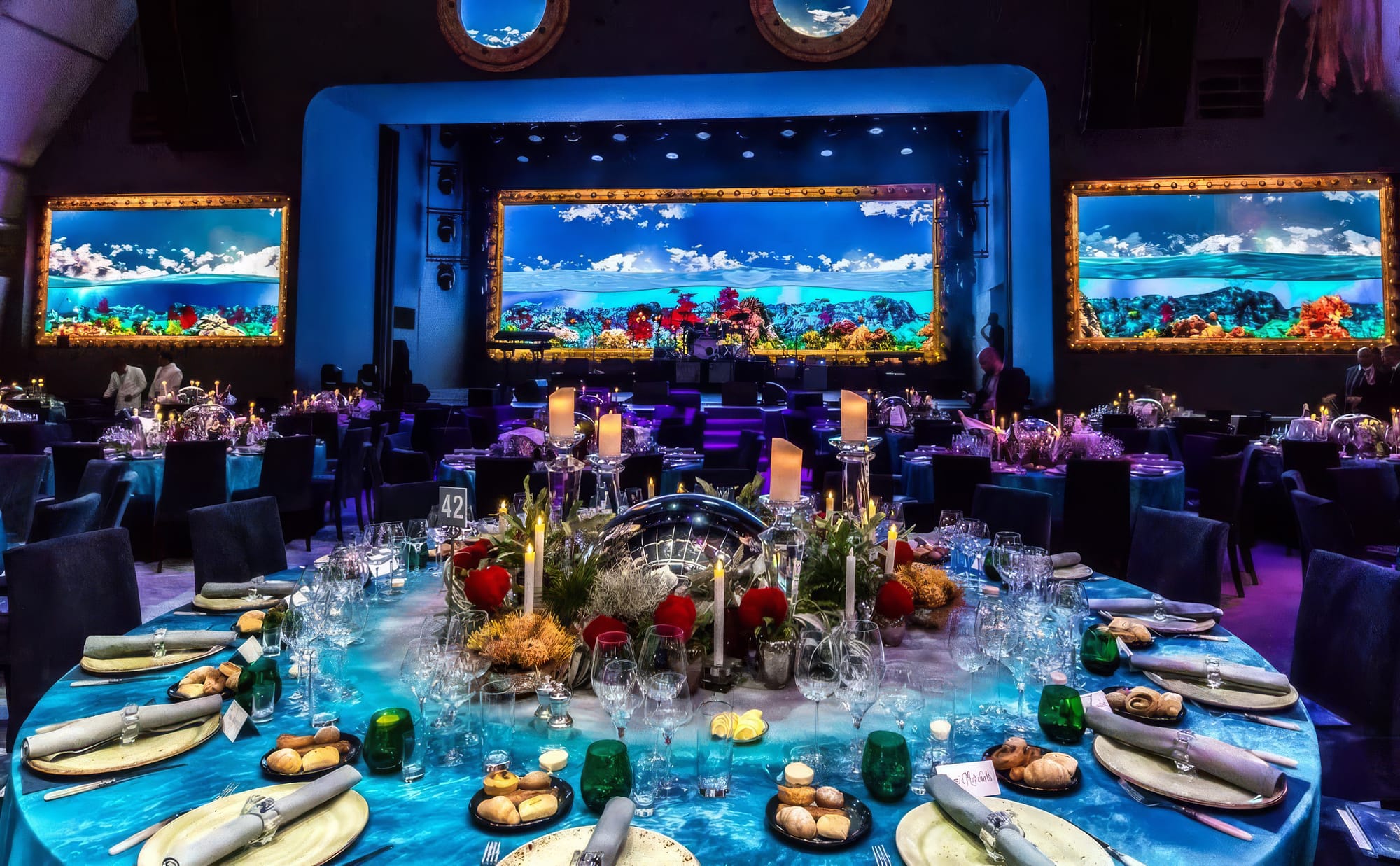
The Monaco Yacht Show at the end of September transforms Port Hercule into the world's premier showcase for superyacht culture. The show includes 125 unique vessels built by the finest shipbuilders in the world, alongside 580 major yachting businesses, exclusive launches and unveilings.
The Red Cross Gala Ball
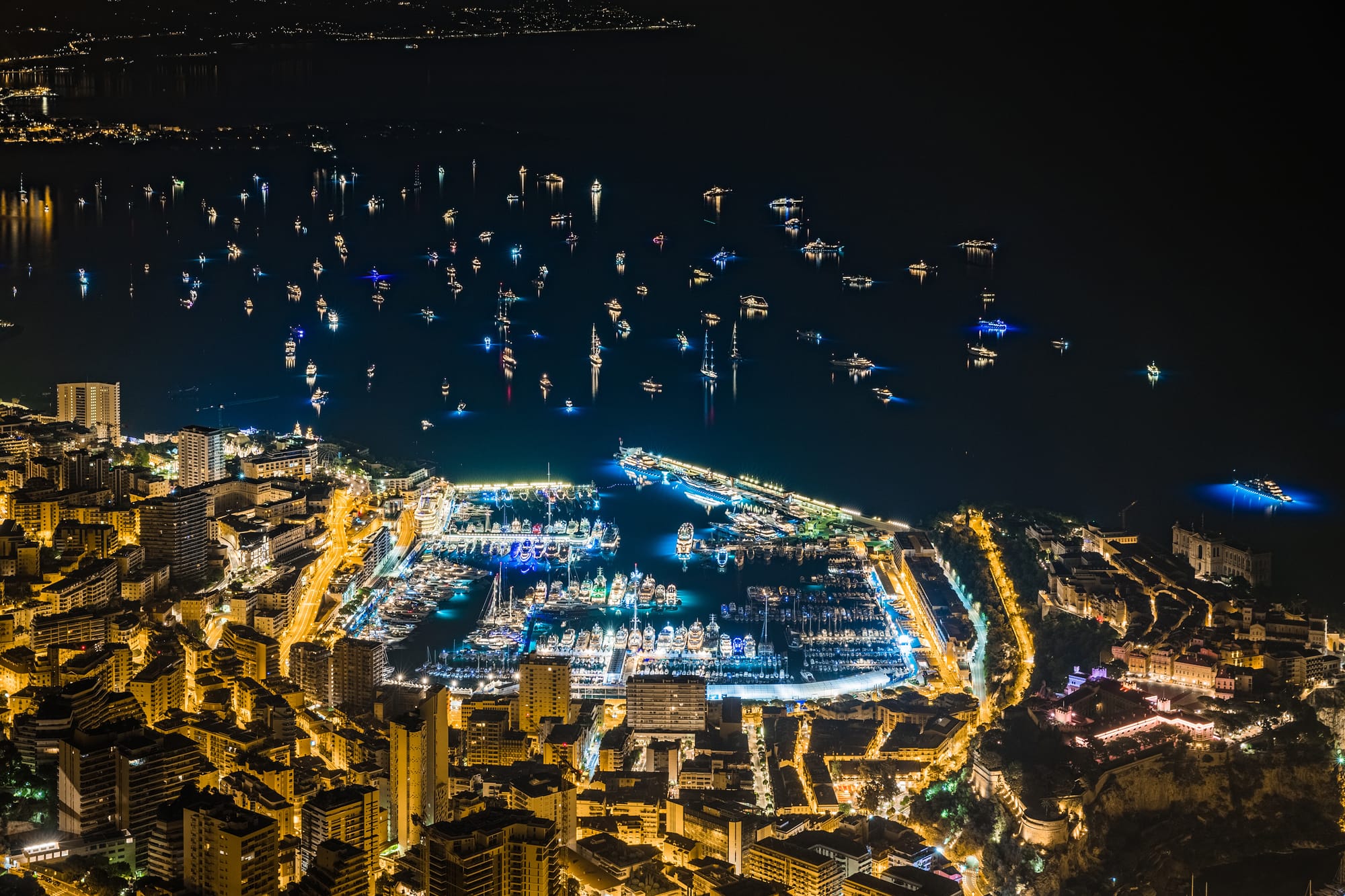
The Red Cross Gala Ball in August has been Monaco's premier summer social event since Prince Rainier III chaired the first edition in 1948. The world's largest charity gala brings together crowned heads, prominent public figures and donors from across the world for an evening that is, by any measure, among the most exclusive gatherings on the annual international social calendar.
The Monte-Carlo Gala for Planetary Health
The Monte-Carlo Gala for Planetary Health is described in certain circles as the Met Gala of Europe. It is hosted by the Fondation Prince Albert II de Monaco and focuses fundraising efforts on ocean conservation, marine biodiversity and the reduction of plastic pollution. International artists, celebrities and philanthropists assemble in extraordinary attire for an event that manages to be simultaneously important and spectacular.
The Rolex Monte-Carlo Master Tennis Tournament
The Rolex Monte-Carlo Masters tennis tournament, held on the clay courts at Roquebrune-Cap-Martin in April and May, is one of the ATP Tour Masters 1000 events and one of the most highly regarded clay-court tournaments of the European spring season. The Spring Arts Festival, under the patronage of Princess Caroline of Hanover, brings international musicians to Monaco's most beautiful performance spaces at the beginning of each new season. And in August, the Palermo-Monte Carlo Regatta organized by the Yacht Club de Monaco covers 500 nautical miles from Sicily to Port Hercule, attracting maxis, multihulls and ORC/IRC class vessels in a racing spectacle that precedes Yacht Show season.
Family Activities
Monaco is often perceived as an exclusively adult destination, but the principality has maintained a genuine commitment to family amenities since at least the reign of Prince Rainier III. For families traveling with children, the combination of Monaco's specialized institutions and the outdoor resources of its surrounding communes provides an itinerary of considerable variety.
Zoological Gardens
The Zoological Gardens, located on the southern flank of The Rock, were established by Prince Rainier III in 1954 and are among the last surviving royal menageries in the world. The park is home to nearly 250 animals representing about 50 species from exotic birds, turtles, caimans, hippopotamuses, reptiles, primates and farm animals in an environment that manages to feel genuinely wild within the heart of the world's most densely urbanized sovereign state. The ethical basis of the collection is distinctive. Every animal in the Zoological Gardens was donated, abandoned or seized by customs authorities rather than captured from the wild.
Museum of Prehistoric Anthropology
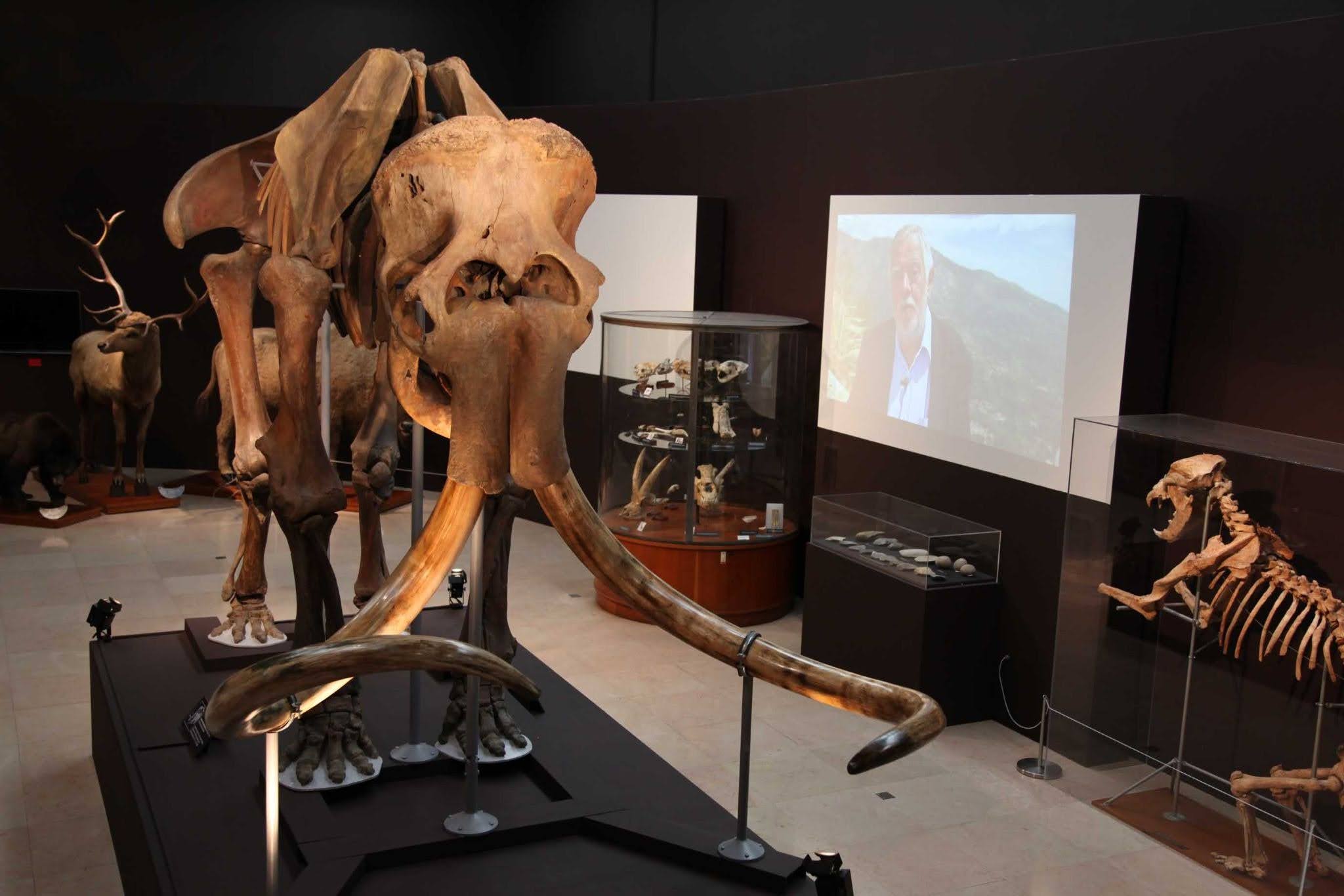
The Museum of Prehistoric Anthropology was founded by Prince Albert I in 1902 with the express purpose of preserving traces of early human habitation in the principality and surrounding regions. The collections represent the full arc of regional prehistory, including mammuthus primigenius, a mammoth skeleton excavated in Siberia and placed on public display in 2014. The museum continues to conduct active field research and laboratory analysis, giving it a living institutional character that distinguishes it from purely exhibitory collections.
Princess Antoinette Park
Princess Antoinette Park in La Condamine combines an accessible green space with recreational amenities that include a mini-golf course which reopened in 2021 alongside the annual open-air community meal organized by the municipality at the end of June. For families based in Cap d'Ail, Marquet Beach provides calm, shelving water ideal for younger swimmers, with lifeguards present through the summer.
Wellness and Spa
Monaco has always understood the Mediterranean lifestyle is as much about restoration as it is about indulgence. Its wellness infrastructure reflects that understanding with the same level of investment applied to every other area of the principality's luxury offerings.
Thermes Marins Monte-Carlo occupies a central position in Monaco's wellness landscape as the principality's most comprehensive thalassotherapy and spa complex, connected directly to the Hôtel de Paris and Hôtel Hermitage. The institution's restaurant, L'Hirondelle helmed by Chef Jean-Laurent Basile, has built a following for wellness cuisine neither ascetic nor self-congratulatory. The menu of light, health-conscious dishes using local and seasonal ingredients manages to be genuinely pleasurable, with a gluten-free and low-calorie orientation that speaks to guests who have traveled some distance to feel, as well as to see, something remarkable.
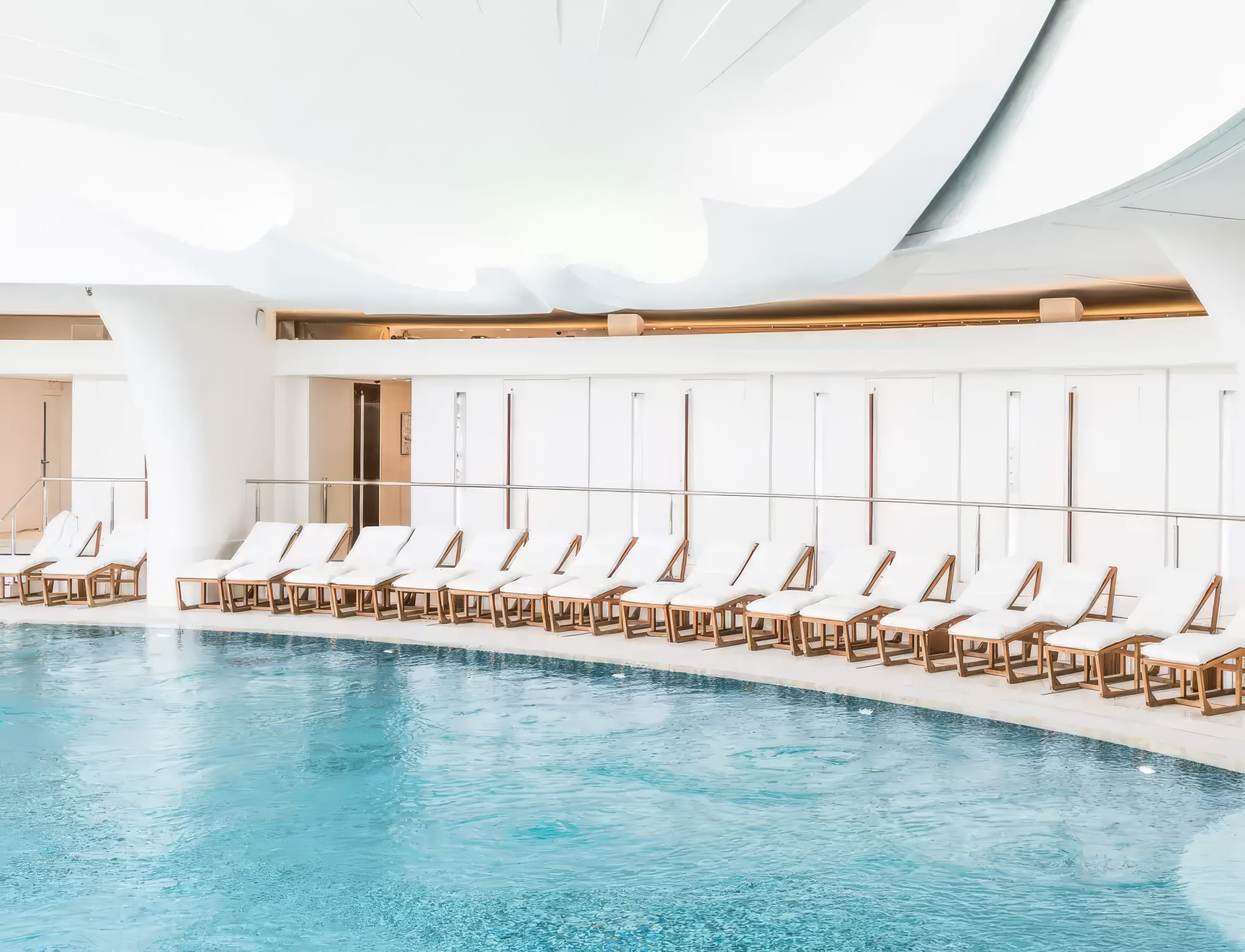
Odyssey at the Hôtel Métropole is Karl Lagerfeld's rooftop creation of garden, pool and lounge bar. It functions as a wellness amenity as much as a social destination. The pool, the garden and the quality of the light at this elevation above Monte Carlo provide a restorative environment the ground-level city cannot replicate and the poolside menu has been composed with a preference for lightness and freshness.
Elsa at the Monte Carlo Beach Hotel, as the world's first organic Michelin-starred restaurant, makes a particularly eloquent case for the relationship between ethical sourcing and personal wellness. Chef Paolo Sari's menus are built entirely from certified organic, genuinely local produce. The experience of eating here looking out over the Mediterranean from a terrace committed to ingredients of verifiable provenance achieves a kind of wholeness more conventional luxury dining cannot quite replicate. The hotel's seawater pool, massage facilities and direct beach access complete a wellness environment of considerable depth.
Elevate Your Wellness Experience
Bring Malibu's world-class spa experience directly to your villa
LVH In-home Spa ServicesGetting There
Monaco is accessible from every major international hub and the principality has been careful to ensure the journey from airport to villa is as frictionless as the experience that follows it. Whether guests get to Monaco by private jet, helicopter, car or yacht the arrival itself sets the tone for everything that follows.
The preferred arrival route for most guests is by private jet to Aéroport Nice Côte d'Azur (LFMN/NCE), the primary gateway airport for the French Riviera and Monaco, with Cannes-Mandelieu Airport (LFMD/CEQ) serving as an alternative. From Nice Airport, Monacair operates the only regular helicopter transfer service on the Nice to Monaco route. The flight takes seven minutes along a coastal route of exceptional beauty, arriving at the heliport on the water's edge where a chauffeur can be waiting to deliver guests directly to their villa.
Between Nice and Monaco, three distinct road options present themselves. The Basse Corniche (Route 98) follows the coastline at sea level, passing through Cap d'Ail and offering constant sea views. The Moyenne Corniche (Route 7) takes the middle ground, ascending through Eze Village, passing near Villa Claire, in a route that balances coastal panoramas with more intimate backcountry landscapes. The Grande Corniche, which follows the ridge line through La Turbie and Col d'Eze, is the most elevated and most dramatic of the three. It was made famous and was the setting for one of cinema's most memorable automotive sequences in the film, To Catch a Thief with Cary Grant and Grace Kelly. The supercar rental options available in Monaco allow guests to approach their accommodation in appropriate style by any of these routes.
For those arriving by private yacht, Monaco's ports are among the finest-equipped in the Mediterranean. Port Hercule is the principality's primary harbor, capable of accommodating up to 500 vessels including some of the largest superyachts afloat. The Port of Fontvieille handles vessels of at least 30 meters. The Port of Cap d'Ail, immediately adjacent to the principality's southern border. It is convenient for guests at Villa Monaco, providing an additional mooring option for pleasure boats of all scales.
Frequently Asked Questions
What is the best time to visit Monaco and is a Monaco day trip possible?
Monaco's mild Mediterranean climate makes it welcoming year-round, but the destination is at its most atmospheric between May and October. The Monaco Grand Prix in May and the Monaco Yacht Show in late September represent the twin peaks of the calendar. July and August offer the most reliable weather and the height of the beach club and nightlife season, though they are also the most crowded months. April, June and September provide a more relaxed experience of Monaco's restaurants, gardens and museums.
Do I need a visa to visit Monaco?
Monaco does not issue its own visas. EU citizens and nationals of countries with Schengen Area agreements enter Monaco under the same conditions that apply to France, since Monaco is integrated into the French customs territory despite being an independent sovereign state. Travelers from countries requiring a Schengen visa to enter France will need one to visit Monaco. It is always advisable to confirm current entry requirements with the French embassy or consulate in your country of residence before traveling.
What currency does Monaco use?
Monaco uses the euro, despite not being a member of the European Union. Major credit cards are accepted universally throughout the principality and ATMs are available in all main districts.
What is the official language of Monaco?
French is the official language of the Principality of Monaco. Monegasque, a dialect related to Ligurian, is spoken by a minority of the population. Italian and English are widely understood and spoken throughout the principality's hotels, restaurants and retail establishments.
How far is Monaco from Nice Airport?
By helicopter with Monacair, the journey takes seven minutes. By road via the Basse Corniche, the distance is about 23 kilometers and takes between 30-45 minutes depending on traffic. The principality is also reachable by train, with regular services running along the coast.
Can I bring a private yacht to Monaco?
Monaco's ports are among the best equipped in the Mediterranean for private yachts of all sizes. Port Hercule accommodates vessels up to and including the largest superyachts. The Port of Fontvieille handles boats of at least 30 meters and the Port of Cap d'Ail is available for smaller craft. During Grand Prix week and the Monaco Yacht Show, berths at Port Hercule are in extremely high demand and require advance reservation through the port authority.
Is Monaco a safe destination?
Monaco is consistently rated among the safest destinations in the world, with a comprehensive security apparatus including continuous CCTV coverage across most public areas reflecting both the principality's considerable wealth and its small geographic scale.
Are there dress codes?
The Monte Carlo Casino maintains a dress code for entry to its main gaming rooms. Smart casual to formal dress is expected and sportswear or beachwear is not appropriate. Several of Monaco's finest restaurants have similar expectations for evening dining. During Grand Prix week and major events, the social atmosphere of the principality as a whole trends formally and guests who have invested in appropriate attire will find themselves better positioned for spontaneous access to events and gatherings.
Plan Your Monaco Getaway
Few destinations earn their mythology as consistently as Monaco does. The Grand Prix circuit, the Belle Époque casino, the Michelin constellation and the Larvotto harbor at dusk genuinely are what they promise to be. The top things to see in Monaco extend considerably beyond the famous headlines. The medieval alleyways of Monaco-Ville in the hour before dawn, the jazz drifting from La Note Bleue across the white pebbles of Larvotto Beach, the extraordinary privacy of Anjuna Beach below Eze's cliffs, the seven-minute helicopter flight from Nice that deposits guests directly onto a helipad overlooking the most beautiful harbor in Europe. These are experiences that require time, knowledge and the right access to discover.
The French communes that frame Monaco — Cap d'Ail, Eze, Beausoleil and Roquebrune-Cap-Martin — offer a residential entry into this world the principality's hotels cannot quite replicate. Those who stay in one of Monaco's private villas rather than a hotel discover a different and more intimate principality entirely. From any of these addresses, everything Monaco has to offer like its beaches, restaurants, casinos, museums, gardens and events, is within immediate reach, experienced from a private base that allows the principality to be approached on one's own terms and at one's own pace. Finally, what Monaco demands is not a rushed tour of its highlights, but the leisure to discover what lies behind them.
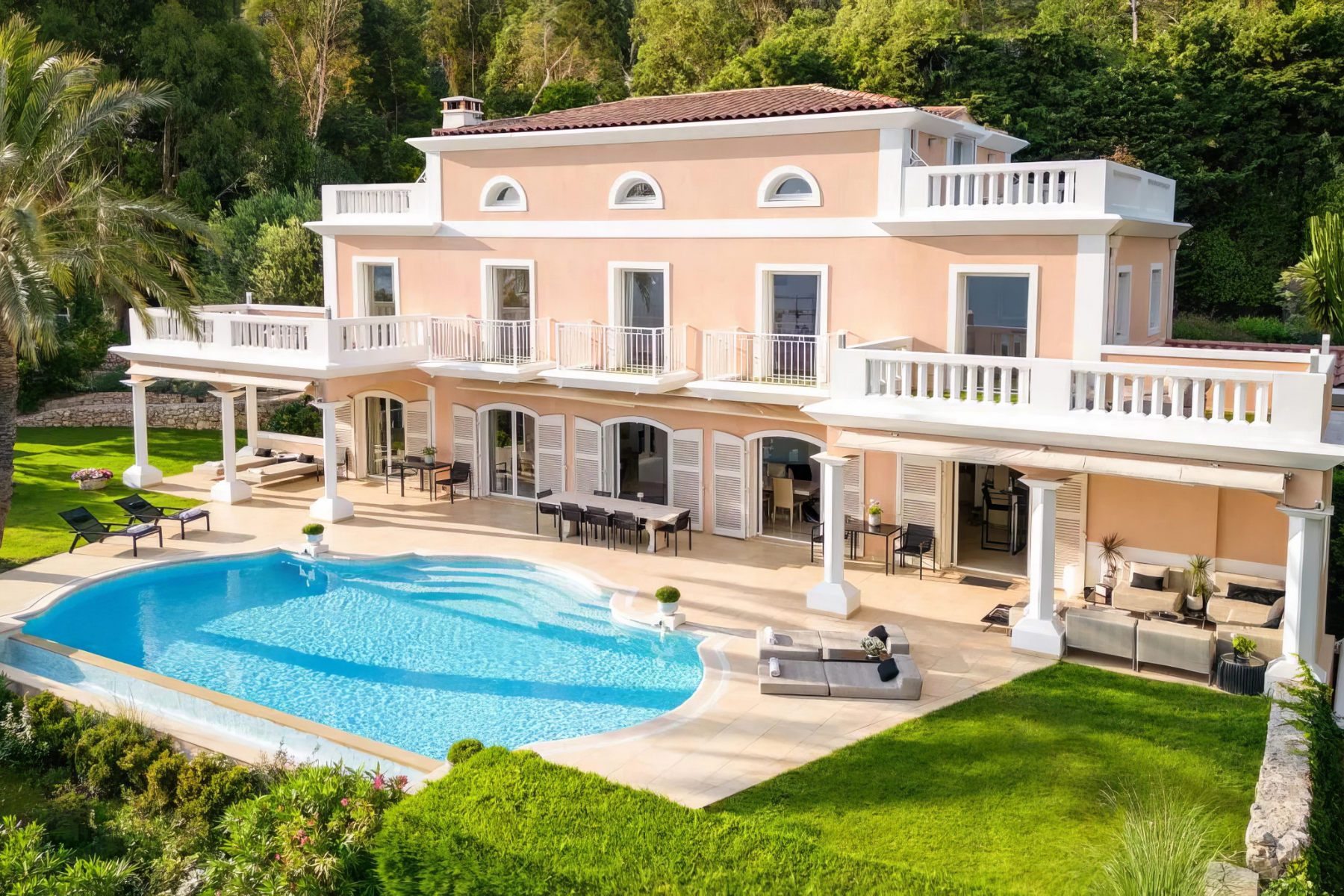
Your Monaco Luxury Villa Awaits
Browse our curated collection of ultra-luxury villas in Monaco